Last updated November 21, 2026
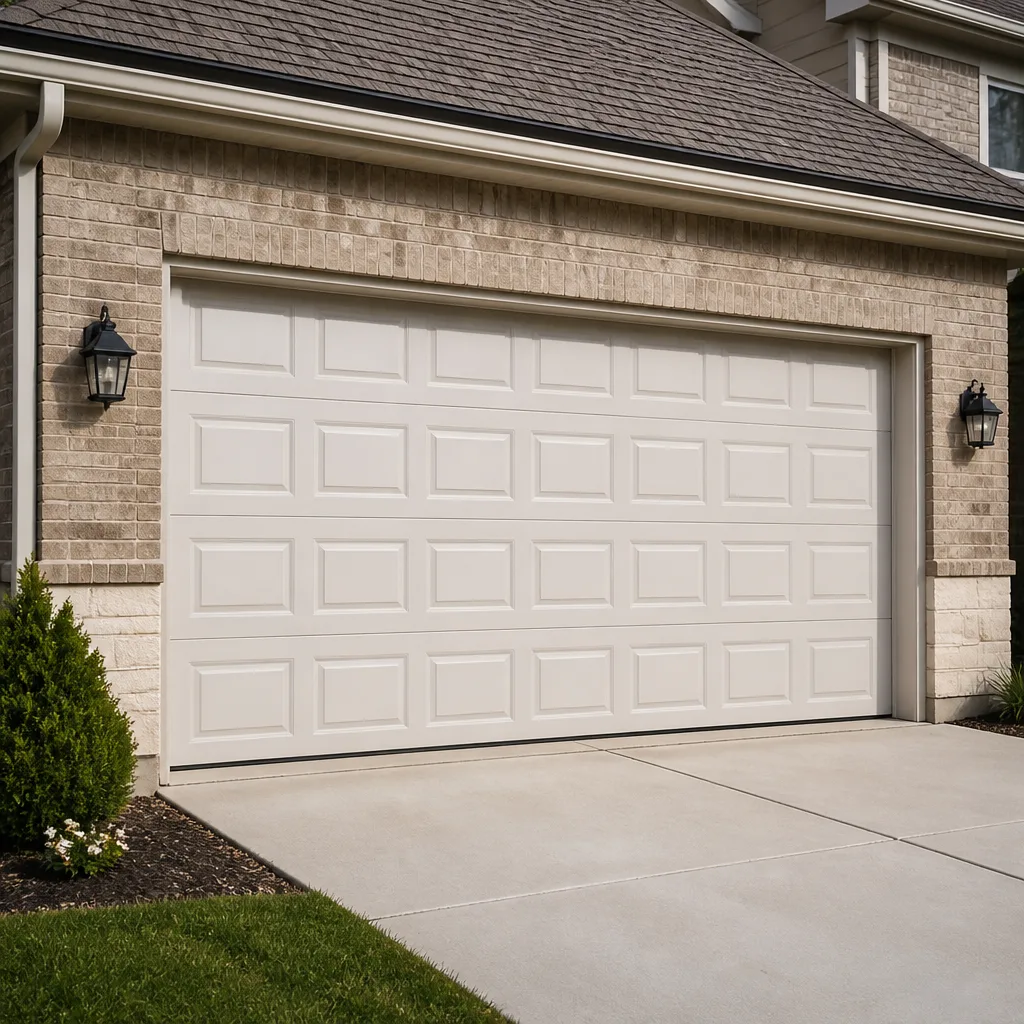 Raised-panel steel
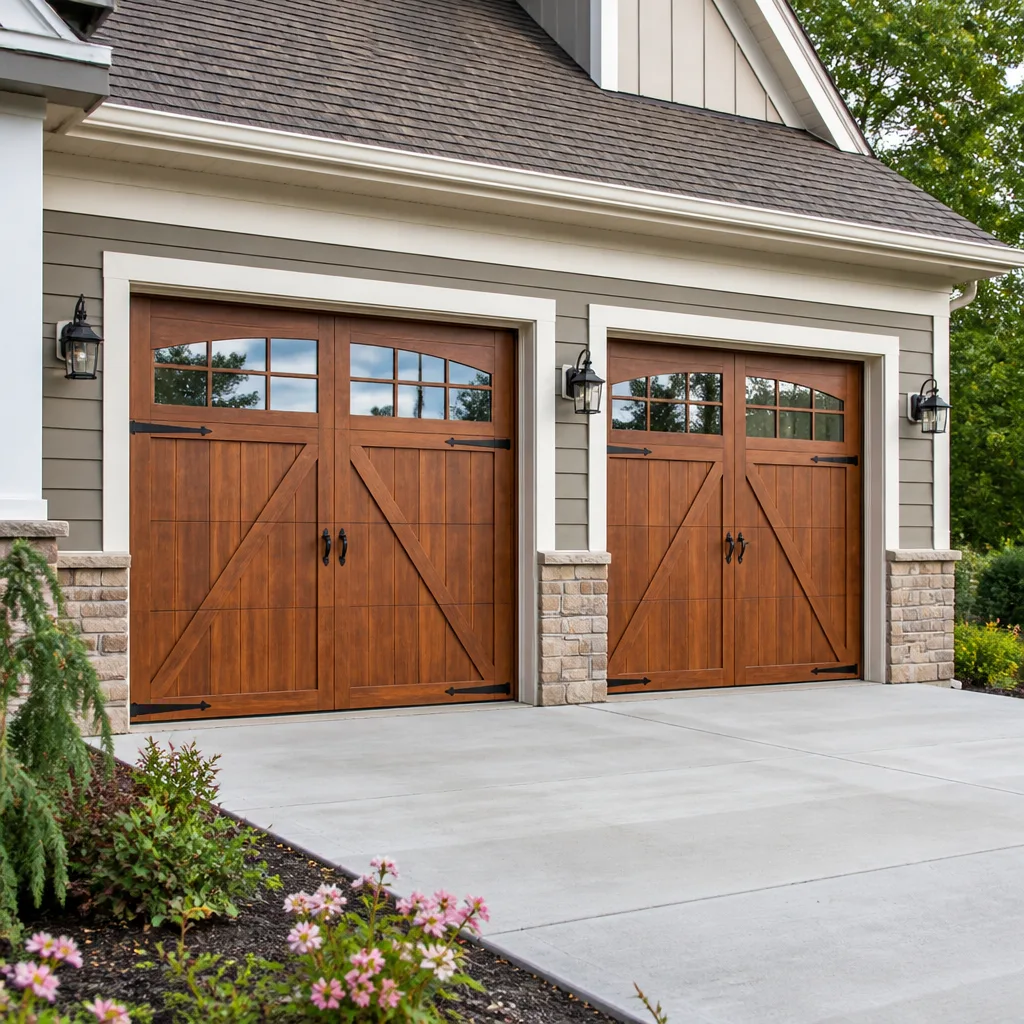 Carriage house
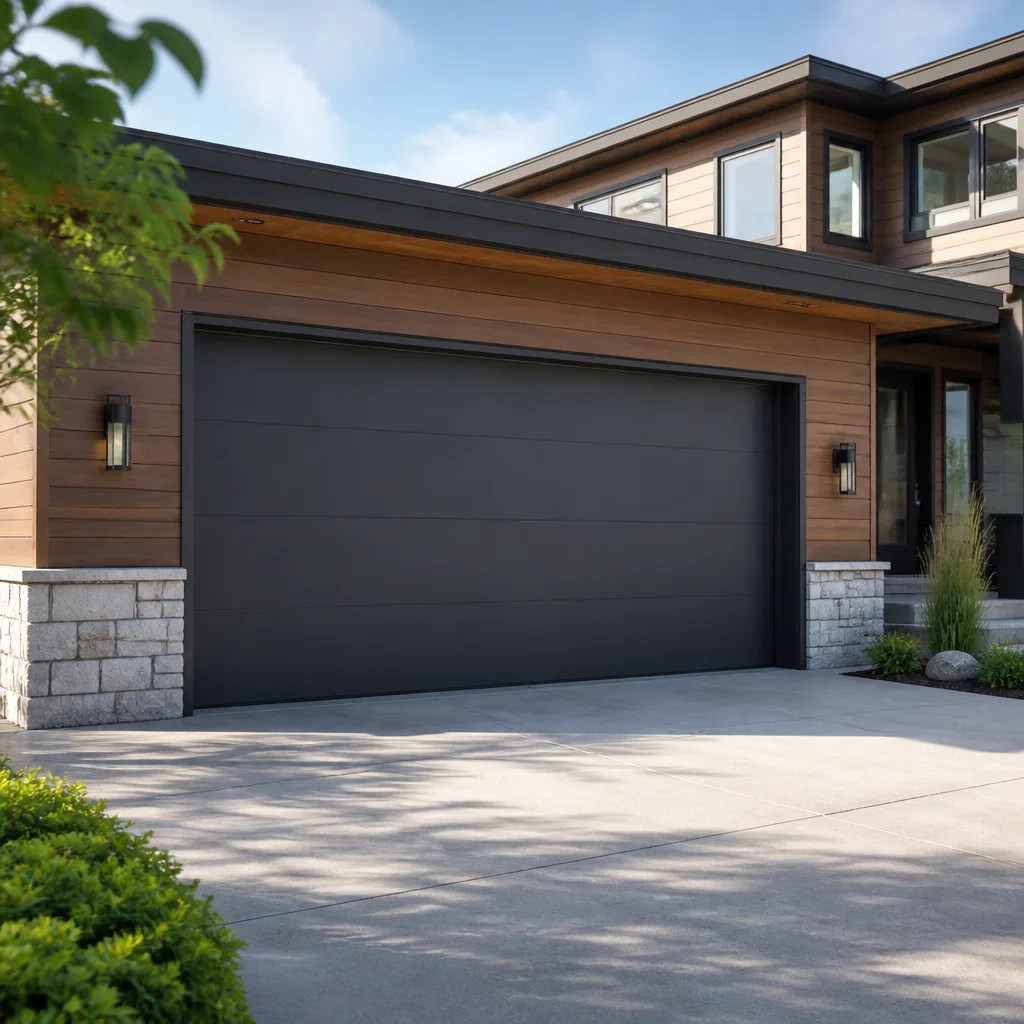 Modern flush
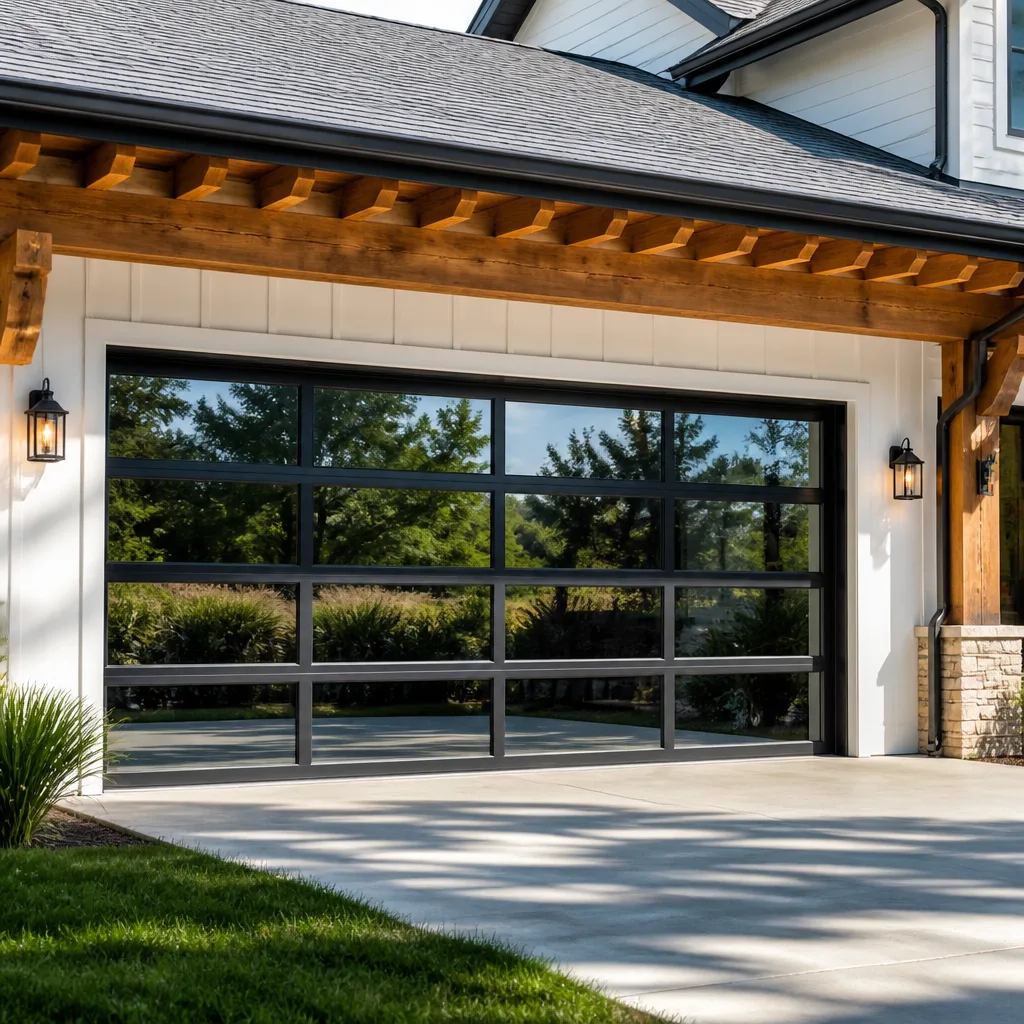 Full-view glass
 LiftMaster openers
 Chamberlain openers
Full 25-point door and opener safety check with every visit - springs, cables, rollers, tracks, and your LiftMaster or Chamberlain opener included
You get a price before we start. It does not change when the pro arrives.
Get your free estimateDIY vs Professional Garage Door: The Wakefield Homeowner’s Decision Guide
Most homeowners assume the DIY-versus-professional question comes down to skill. It doesn’t. The real question is whether the work you’re about to do carries a genuine risk of serious injury or quietly cancels the warranty on the most expensive system in your garage. That distinction matters far more than whether you own a socket set. Some garage door tasks are perfectly safe for a careful homeowner with basic tools. Others send people to the hospital. And a few seem simple but cost you a warranty the moment you touch them yourself. This guide draws a clear line through each task, compares the honest costs in the Wakefield market, and shows you where professional work is the sensible call and where it genuinely isn’t.
Quick Answer
Safe DIY garage door tasks in Wakefield are weatherstripping, lubrication, sensor alignment, and visual inspections. Torsion spring replacement, full door installation, and opener installation on a warranted unit should go to a professional because of injury risk and warranty-voiding consequences. Everything in between, like a panel swap or a cable inspection, is a judgment call that depends on your comfort level and the age of the system.
Styles & brands we work with
- Raised-panel steel
- Carriage house
- Modern flush
- Full-view glass
- LiftMaster openers
- Chamberlain openers
Table of Contents
- The Task-by-Task Classification: What’s Safe, What’s Risky, What’s Professional-Only
- Why Torsion Springs Are the One Repair You Should Never DIY
- How DIY Opener Installation Voids the Warranty on Most Brands Sold in NY
- The Real Cost Comparison: DIY vs. Professional in the Wakefield Market
- Wakefield and NYC Factors That Shift the Calculation
- How to Be a Productive DIYer Even When You Hire a Pro
- How Wakefield’s Climate and Housing Stock Shape Garage Door Wear
- Common Mistakes to Avoid
The Task-by-Task Classification: What’s Safe, What’s Risky, What’s Professional-Only
Garage door work splits into three clean tiers. Knowing which tier a task belongs to before you pick up a tool is what separates a confident homeowner from a costly mistake. Here’s how we classify the jobs we see across Wakefield.
Tier 1: Safe DIY
These tasks require no special tools and carry no meaningful injury risk when done on a door at rest:
- Weatherstripping replacement. The rubber seal along the bottom and sides of the door. It slides into a channel or glues on. A homeowner can do this in an afternoon.
- Lubrication. Rollers, hinges, and the tracks benefit from a proper garage door lubricant, not WD-40. This is maintenance anyone can do.
- Safety sensor alignment. The photo-eye sensors near the floor must see each other across the opening. A bumped sensor or a dusty lens is a common reason a door won’t close, and realigning or cleaning them is safe.
- Visual inspection. Looking at cables, rollers, and hinges for obvious wear. Looking is safe. Touching loaded parts is not.
- Remote and keypad programming. Pairing a new remote to an existing opener is a homeowner task on every brand we handle, from LiftMaster to Genie.
Tier 2: Use Caution
These are doable for a confident homeowner, but they carry conditions:
- Panel swap. Replacing one damaged section of a sectional door is possible on some brands, but the door has to be secured, the load has to be right, and a misaligned panel can bind the whole door.
- Cable visual inspection. You can look at the cables. You should not loosen, adjust, or remove them. They’re under extreme tension.
- Track bolt tightening. Snugging a loose track bolt is fine. Bending a bent track back into shape is a different job and can bend the door’s travel.
- Roller replacement. Possible with the door fully closed and locked, but only if you can reach the roller brackets safely without standing under a loaded door.
Tier 3: Professional-Only
These are the jobs where DIY causes injuries or voids warranties:
- Torsion spring replacement. The single most dangerous repair in the category.
- Extension spring replacement. Slightly less lethal than torsion, still under dangerous tension.
- Full garage door installation. Load, track alignment, and anchor points are a multi-person job with real consequences if it’s wrong.
- Opener installation on a warranted unit. Often voids the warranty, which we explain below.
- Cable replacement. Loaded tension, no exceptions.
If you’re not sure which tier a task falls into, the safe default is the middle one. Our garage door repair team can usually tell you over the phone which tier your issue sits in.
Why Torsion Springs Are the One Repair You Should Never DIY
Torsion springs hold the entire weight of the door. A double-car door weighs a couple hundred pounds, and the springs are wound to counterbalance that weight. When a spring breaks or when someone unwinds it carelessly, the force releases instantly and without warning. That is why torsion spring work falls in the professional-only tier and why we treat it as its own specialty.
A few facts worth understanding before you consider this yourself:
- The springs are under tension even when the door is closed. The door being down does not mean the system is safe.
- Winding bars and the technique to use them are not homeowner tools. They’re the technician’s trade. Guessing at the wind count can snap a spring or, worse, launch a winding bar.
- The springs come as a pair for a reason. A torsion system on a standard two-car door has two springs meant to share the load. Replacing one on a door with two matched springs is a common shortcut, and it usually means the second spring fails soon after.
- Brand matters for the right spring. Doors on Amarr and Wayne Dalton hardware take specific spring configurations, and getting the wire gauge and inside diameter wrong shortens the life of the new spring.
When we replace a spring, we replace it as a matched pair unless the system was built as a single-spring door. That’s the honest fix, and it’s the one that keeps the door balanced for the long haul.
Spring replacement is a load-bearing repair, and it should be priced and treated as one. The written estimate you get before work starts covers the pair, the labor, and any related hardware, and the price you’re quoted is the price you pay. If someone quotes one number over the phone and a different one on the invoice, that’s a problem worth walking away from.
How DIY Opener Installation Voids the Warranty on Most Brands Sold in NY
This is the part of the DIY decision most homeowners don’t see until it’s too late. Garage door opener warranties from most manufacturers sold in New York include installation terms. If the opener is installed by an unqualified party or in a way that doesn’t match the manufacturer’s instructions, the warranty on the unit can be voided. That includes the motor, the logic board, and the safety reverse system.
How to verify before you start:
- Read the warranty document that comes in the box. It’s usually a folded card or a section of the manual, and it names the installation conditions.
- Check the manufacturer’s website for the specific model. Warranty terms vary by model, not just by brand, so a LiftMaster unit and a Chamberlain unit aren’t always on the same page.
- Look for language about “authorized installation” or “professional installation required.” If it’s there, DIY voids it.
- Note the safety reverse requirement. Most openers must reverse on contact with a 2-inch object on the floor. If your DIY install misses that setting, you have a safety problem regardless of the warranty.
Even when the warranty allows DIY, the practical reality is that opener installation is a two-person job on a ladder with a heavy unit overhead. We install LiftMaster, Chamberlain, Genie, and Craftsman units regularly, and the install rarely goes the way a first-time homeowner expects. If the warranty is at all unclear, it’s cheaper to have it installed properly than to lose coverage on a unit you just bought.
If your existing opener is malfunctioning rather than new, that’s a different situation. Our garage door opener repair service handles the tune-ups and part replacements that keep a warranty intact. The line is installer work versus repair work, and repair work rarely voids anything.
The Real Cost Comparison: DIY vs. Professional in the Wakefield Market
Cost comparisons usually stack the parts receipt against a service invoice and call it done. That’s not honest. The real comparison has to account for your time, the risk if the job goes wrong, and the warranty consequences. Here’s how it looks by task.
| Task | DIY cost | Typical professional cost | Verdict |
|---|---|---|---|
| Weatherstripping | Materials only, around $20-$40 | Often bundled with service calls | DIY |
| Lubrication | Cost of a can of lubricant | Usually part of a tune-up | DIY |
| Sensor alignment | Free | Minor service call | DIY if safe, call if not |
| Roller replacement | Parts plus your afternoon | Typically part of a repair visit | Either, with caution |
| Panel swap | Part cost plus alignment risk | Quoted as part of a repair | Depends on panel type |
| Opener install | Unit cost plus risk of voided warranty | Install quote plus unit | Professional |
| Torsion spring replacement | Not a DIY task | Quoted per spring; a pair costs about twice one | Professional, no debate |
| Full door install | Not a DIY task | Quoted after measure | Professional |
The pattern is clearer than the table suggests. On the small jobs, DIY saves real money and costs you a Saturday. On the big jobs, DIY saves a few hundred dollars up front and risks thousands in injury, warranty loss, or a door that never sits right. The dollar comparison only makes sense when you count what happens when the job goes wrong.
Prices vary by door style, spring type, and what hardware is involved. Our garage door installation quotes are handled with a free measure and a written price before any work is scheduled, because install work is measured and ordered, not rushed. For repair jobs, the price is quoted and agreed before any tool comes out.
Wakefield and NYC Factors That Shift the Calculation
Garage door work in the New York City market carries a few local realities that don’t come up in most of the country. Those realities matter for the DIY decision.
Permit triggers
New door installation or replacement often requires a permit from the local building department. The specific trigger depends on the municipality, the structure, and the scope of work, so the right move is to call your city’s building department and ask. What we can say is that a permit is more likely on a replacement than on a repair, and more likely on an attached garage than a freestanding one. If a permit is required, a homeowner-installed door with no inspection trail can become a problem at resale or at a future inspection.
Multi-family and attached garage liability
If your garage shares a wall with living space, or if the garage is in a multi-family building where other residents walk past the door, the consequences of a bad install are larger than your own driveway. A door that binds, drops unexpectedly, or fails the safety reverse test is a hazard to anyone using that space. In those situations, professional installation is a liability question, not just a convenience one.
Older housing stock and door mismatches
Many Wakefield homes have had a door or opener replaced at some point, and the replacements weren’t always matched to the original system. A door from one brand sitting on an opener from another brand is common. That mismatch matters most when something breaks, because a generalist has to guess at compatibility. We’re familiar with the eight major brands, including Raynor and Craftsman units, so a mismatched setup gets diagnosed correctly instead of trial-and-error.
If you’re unsure whether a permit applies to your job, that’s one of the few cases where calling before you buy parts is worth the phone call. Our team fields those questions on Wakefield Garage Door Repair Pros jobs every week.
How to Be a Productive DIYer Even When You Hire a Pro
The DIY-versus-professional question is framed as either/or, but the honest answer is usually both. You can do meaningful prep work before a technician arrives, and that prep cuts the time on the job and often the cost of the call. Here’s how to be useful without being in the way.
- Clear the garage floor. This is the single biggest time saver. Moving boxes, bikes, and lawn equipment out of the door’s path lets the technician reach the springs, tracks, and opener without asking you to move things first.
- Note the brand and model number. The opener’s model plate is usually on the back of the unit or under the light cover. Photograph it. If you’re calling about a LiftMaster, a Genie, or a Chamberlain, having the model in hand helps us bring the right parts and confirm timing.
- Describe what the door does, not what you think is broken. “It opens three feet and stops” is more useful than “I think the spring is broken.” The symptom tells the technician more than your diagnosis.
- Check the basics without tools. Is the sensor lens dusty? Is the manual lock engaged? Is the wall control working? These are the first things a technician will check, and solving them yourself saves the whole visit.
- Have the door’s age and any past repair history ready if you know it. Not every homeowner does, and that’s fine. But if you’ve had a spring or panel replaced, mention it.
- Be clear about what you want. If you want a repair and not a replacement, say it. A specialist can usually make that work. The homeowner who says “just tell me what’s wrong” gets a clearer answer than the one who leaves it open.
The last point is worth repeating. The whole value of hiring a specialist is that they work on one system all day. That focus only helps you if you tell them what you actually want. A repair request doesn’t have to turn into an upsell if you’ve been clear from the start.
How Wakefield’s Climate and Housing Stock Shape Garage Door Wear
Garage doors in the Wakefield area face a specific kind of wear that’s easy to miss until something fails. It’s not dramatic weather. It’s the seasonal swing between summer heat and winter cold that stresses every part of the system at once.
Expansion and contraction. The wood and steel components of a door expand in summer and contract in winter. Over years of cycles, that movement works loose hinges, cracks weatherstripping, and puts extra load on springs. None of this is visible from the driveway, but a slow winter morning when the door doesn’t quite close the way it used to is the first sign.
Snow, ice, and salt on the driveway. A door that’s been sitting in the cold all night can have a frosted bottom seal that sticks to the floor. Yanking it free with the opener is one of the more common causes of a stripped opener gear or a snapped spring. If your door sticks, break it loose by hand first.
Garage as storage. In denser parts of Wakefield and the surrounding NYC area, garages often pull double duty as storage. Boxes pile up against the walls, sometimes against the tracks or the springs. That clutter causes two problems: the door can’t travel freely, and no one can see a cable or spring starting to fail. Keeping the garage interior clear of the door’s path is maintenance you can do today.
Attached versus freestanding garages. Attached garages in Wakefield homes share heat and cold with the house itself, which can mean more condensation on the door and its hardware. Freestanding garages swing the other way and are colder, which stresses the springs more in deep winter. Neither is worse. They just wear differently, and the maintenance schedule should reflect it.
None of this argues for a full replacement. Nearly all of it argues for a yearly inspection, done by a professional on the load-bearing parts and by you on the visible ones. Our garage door repair team can usually identify early wear in one visit and coach you on what to watch for.
Common Mistakes to Avoid
- Attempting torsion spring work without knowing the danger. A broken or unwound torsion spring can release enough force to break a wrist or a jaw. If your door has stopped lifting, treat it as a stopped door, not a project, and call a specialist.
- Replacing one spring when the door has two. Springs that were installed together age together. Replacing one and leaving the other puts the whole load on the older spring, and the second failure usually comes soon after.
- Installing a new opener without checking the warranty terms. A unit that came with a professional-install requirement can lose coverage the moment you touch it yourself. Read the warranty card first, then decide.
- Yanking a stuck door free with the opener. In Wakefield’s cold winters, a frosted or iced bottom seal is a common reason a door won’t open. Freeing it by hand before pressing the remote saves the opener and the springs.
- Bending a bent track back into shape. Tracks that have taken a hit are usually best replaced. Straightening one out of alignment can cause the door to jump the track entirely, and that’s the failure most likely to drop the door.
- Standing under a loaded door to inspect it. A door on a faulty spring can fall. If a cable or spring is suspect, keep clear and call a pro. The point of inspection is to stay out of the way of the mechanism, not to lean into it.
- Buying parts before you know the brand compatibility. A Raynor door takes a specific spring configuration, and a Wayne Dalton may need a specific panel. Buying first and asking later usually means a return trip and a wasted weekend.
See the difference
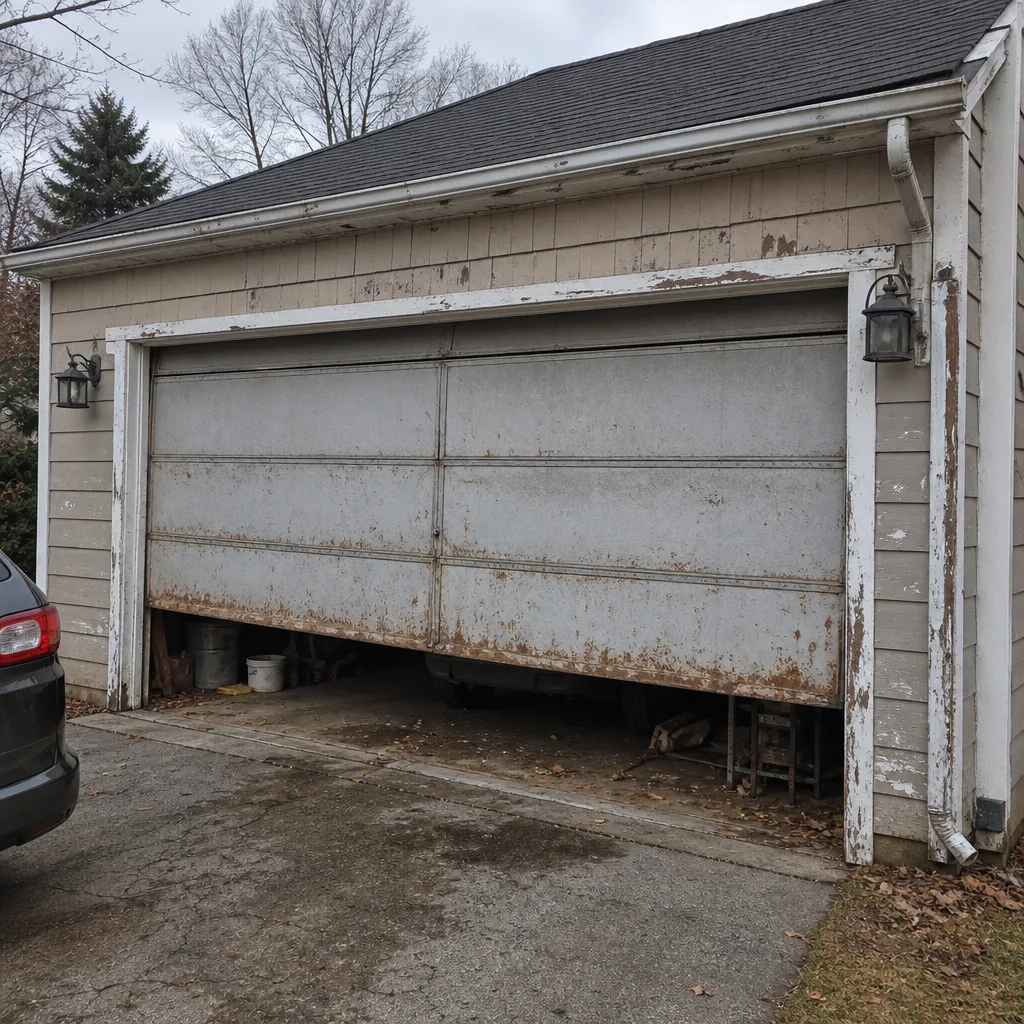 Before
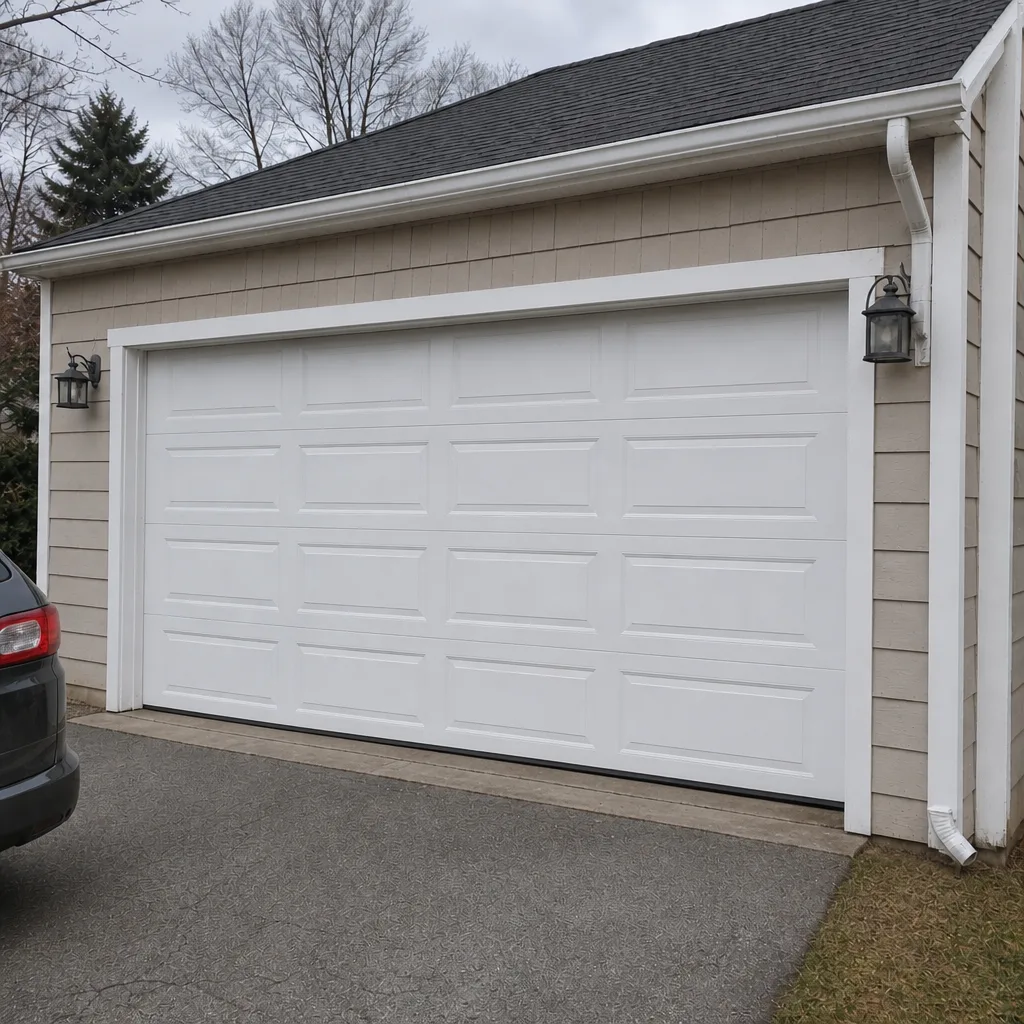 After
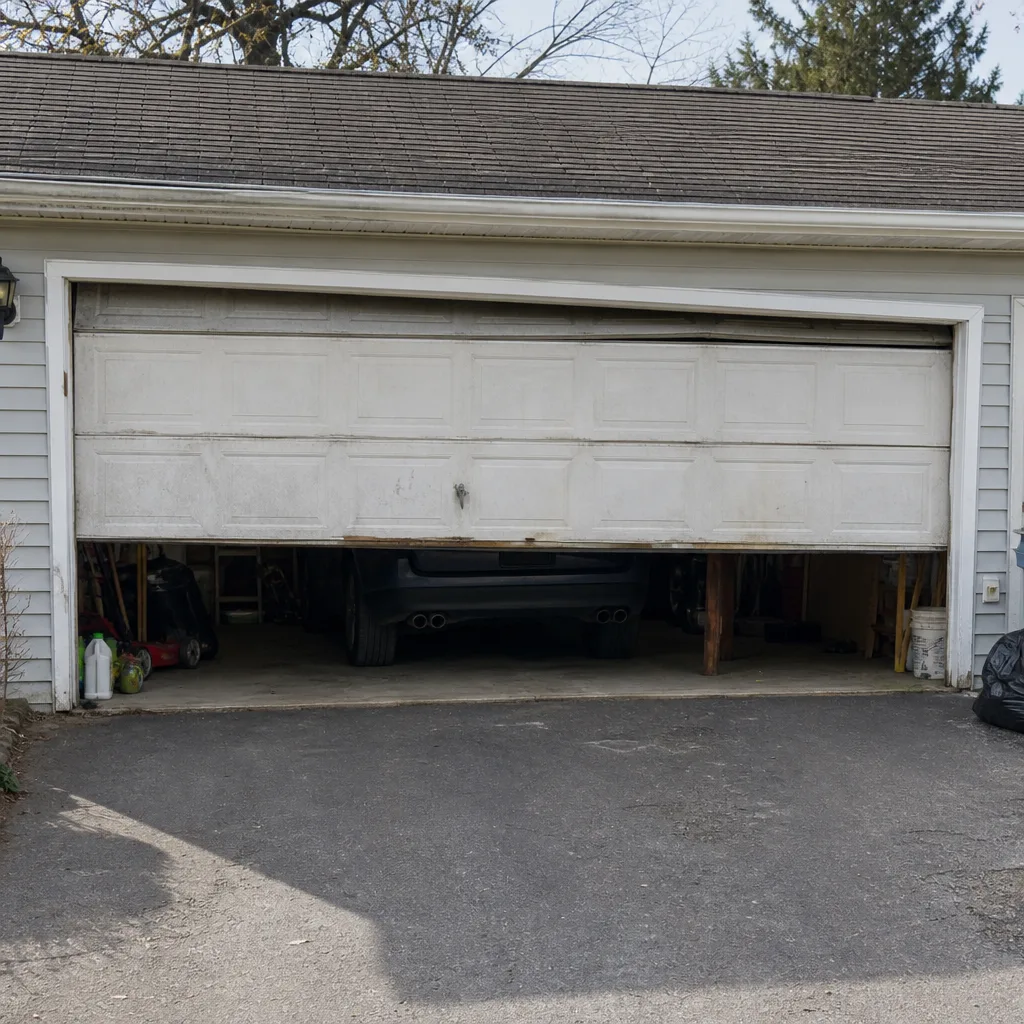 Before
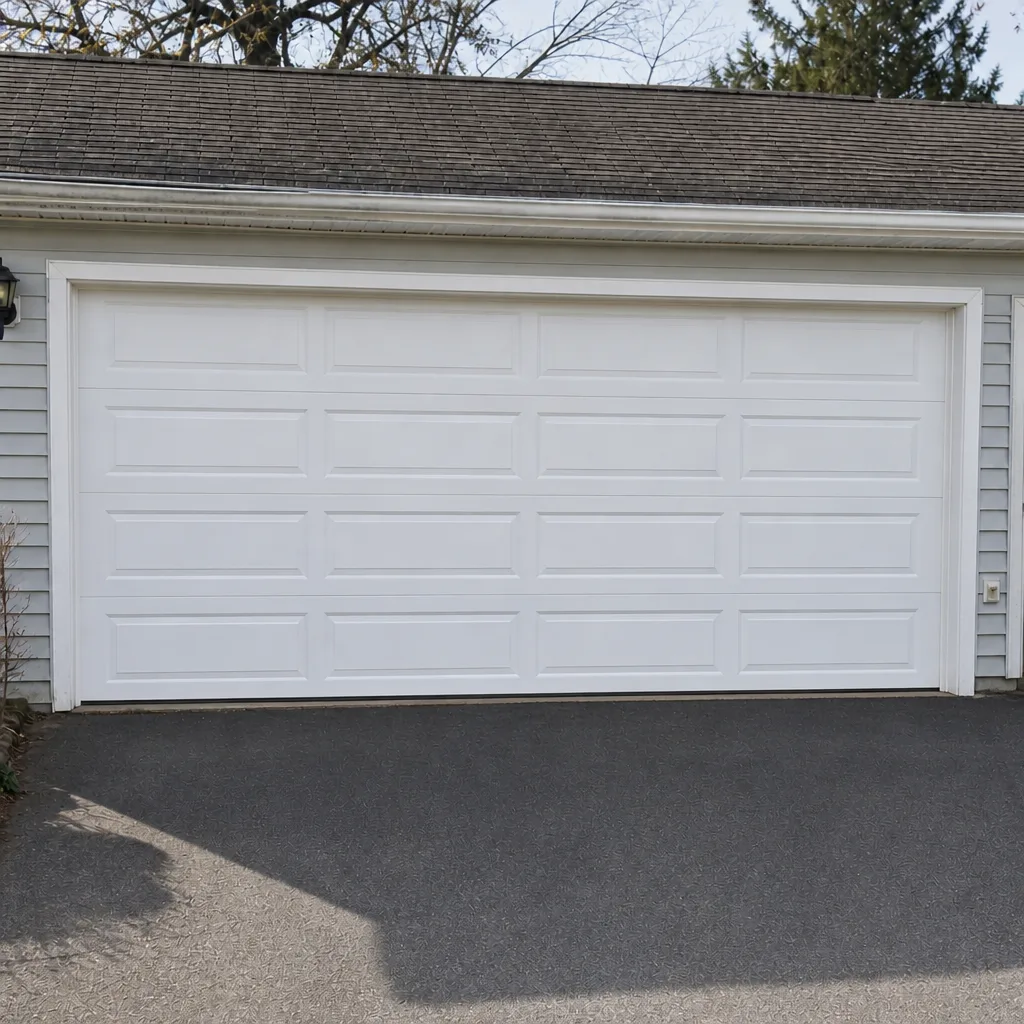 After
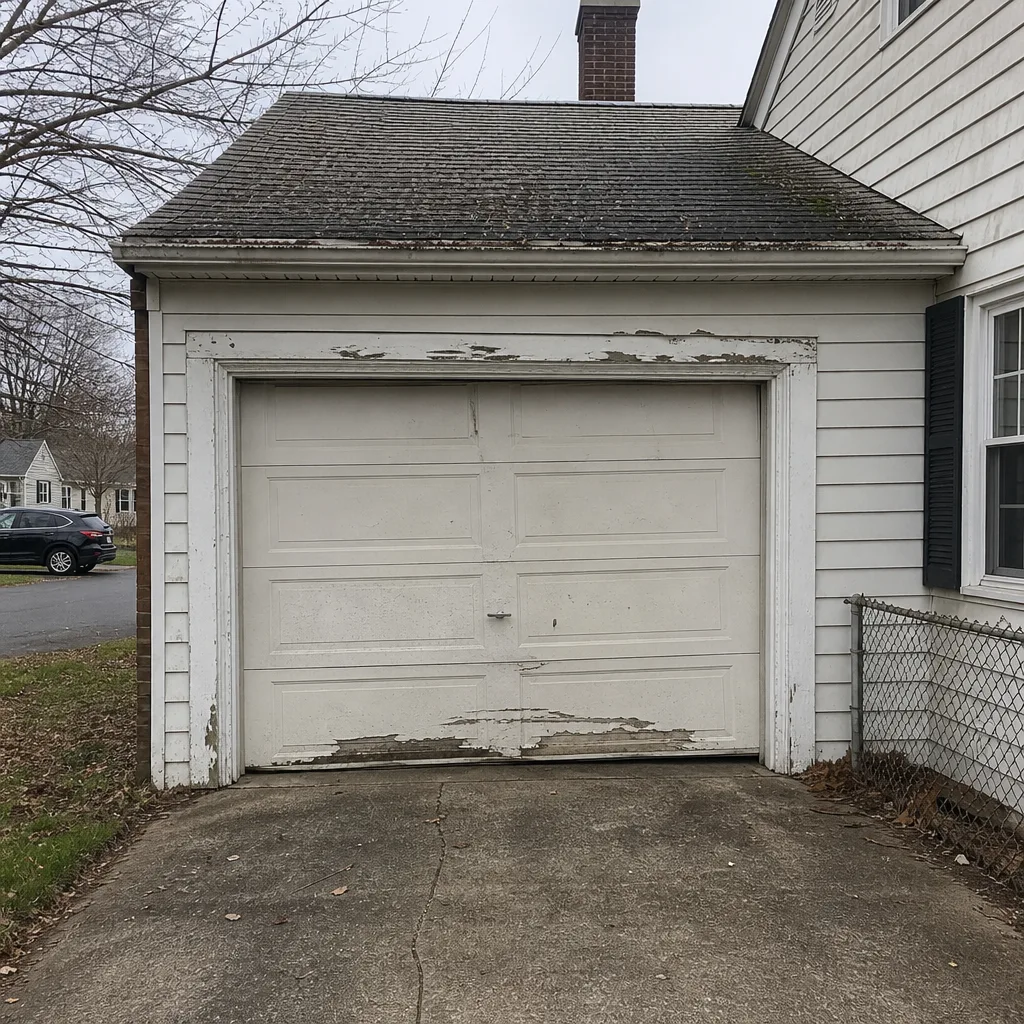 Before
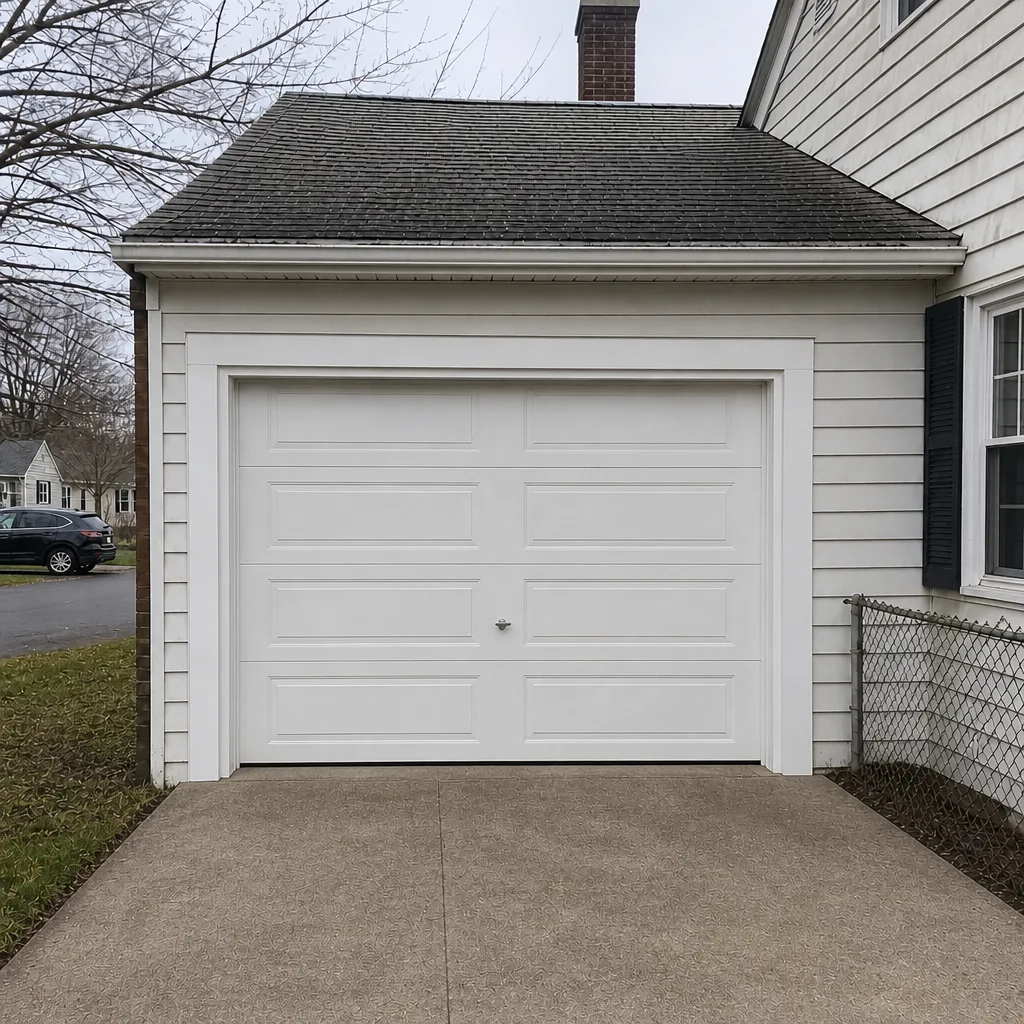 After
When to Call a Professional
Some situations don’t need a decision tree. If the door won’t move at all, if you hear a loud snap and the door sags, if a cable looks cut or frayed, or if the door drops faster than it should on the way down, stop and call. If the opener cycles but the door doesn’t move, or the door reverses for no reason, that’s a repair call, not a DIY tuning job. In older Wakefield homes, mismatched openers and doors are common, and diagnosis is a professional task. If you’re in a multi-family building or an attached garage where a failure puts other people at risk, professional installation or repair is the safer call.
Wakefield Garage Door Repair Pros offers free estimates in Wakefield. Our garage door installation and repair work goes through a written quote before any job starts, so the price you agree to is the price you pay. Emergency garage door service is a standing offering, not an after-hours upcharge. Call (844) 459-6133 for a free estimate.
Frequently Asked Questions
No. Torsion and extension spring replacement should always go to a trained technician because the springs hold the full weight of the door under extreme tension. Our technicians have up to 11 years of experience working with these systems, and that experience is exactly what keeps this repair safe. A spring is replaced as a set when the door has two, and the price is quoted before work starts. Call (844) 459-6133 for an exact quote; estimates are free.
It often does, and the terms live in the warranty document that comes with the unit. Many manufacturers sold in NY require professional or authorized installation to keep the warranty valid. Read the card before you start. If the warranty allows DIY, follow the safety reverse setting requirements carefully. If it doesn’t, we install LiftMaster, Chamberlain, Genie, and Craftsman units and can quote the job. Call (844) 459-6133 for a free estimate.
Weatherstripping, lubrication, sensor alignment, and visual inspections are safe and worth doing yourself. Roller replacement and panel swap fall into a middle tier: possible for a confident homeowner, but with real alignment risk. Torsion springs, cable replacement, and full door installation are professional-only. When you’re unsure, the safe default is to ask before you start.
Prices vary by what’s actually wrong, the brand of your door and opener, and the parts required. A torsion spring is priced per spring, and a matched pair costs about twice the price of one. Our quotes are estimates, and the written estimate you receive sets the final price. A service call is quoted and agreed before any work begins, so there are no surprises on the invoice. Call (844) 459-6133 for an exact quote; estimates are free.
Not if you’ve asked for a repair, and not with a specialist who works on doors all day. A repair is usually the right call when the door’s structure is sound and the issue is springs, cables, or the opener. We work on LiftMaster, Chamberlain, Genie, Clopay, Amarr, Wayne Dalton, Craftsman, and Raynor equipment, which means the diagnosis happens on your actual brand, not on a guess. If a replacement is the honest answer, we’ll say so and explain why. Call (844) 459-6133 to book an estimate.
Yes, and it helps. Clearing the garage floor, having the opener model in hand, and describing what the door actually does (not what you think is broken) all shorten the visit. Sensor cleaning, manual lock checks, and confirming the wall control works can solve a surprising number of “door won’t close” calls before anyone needs to come out. If you’ve done those and the door still misbehaves, it’s time for a repair visit.
The Bottom Line
The DIY-versus-professional question for garage doors isn’t about whether you’re handy. It’s about which tasks carry injury risk or warranty-voiding consequences and which genuinely don’t. Weatherstripping, lubrication, sensor alignment, and visual inspections are yours to handle. Torsion springs, cable replacement, and full door installation go to a specialist. Opener installation depends on the warranty terms you can read before you start. In Wakefield’s housing stock, with mismatched openers and doors common, the middle tier of tasks is where the judgment call lives. Our technicians have up to 11 years of experience working on every major brand. Call (844) 459-6133 for a free estimate, and get back up and running.
Written by the team at Wakefield Garage Door Repair Pros.