Last updated November 21, 2026
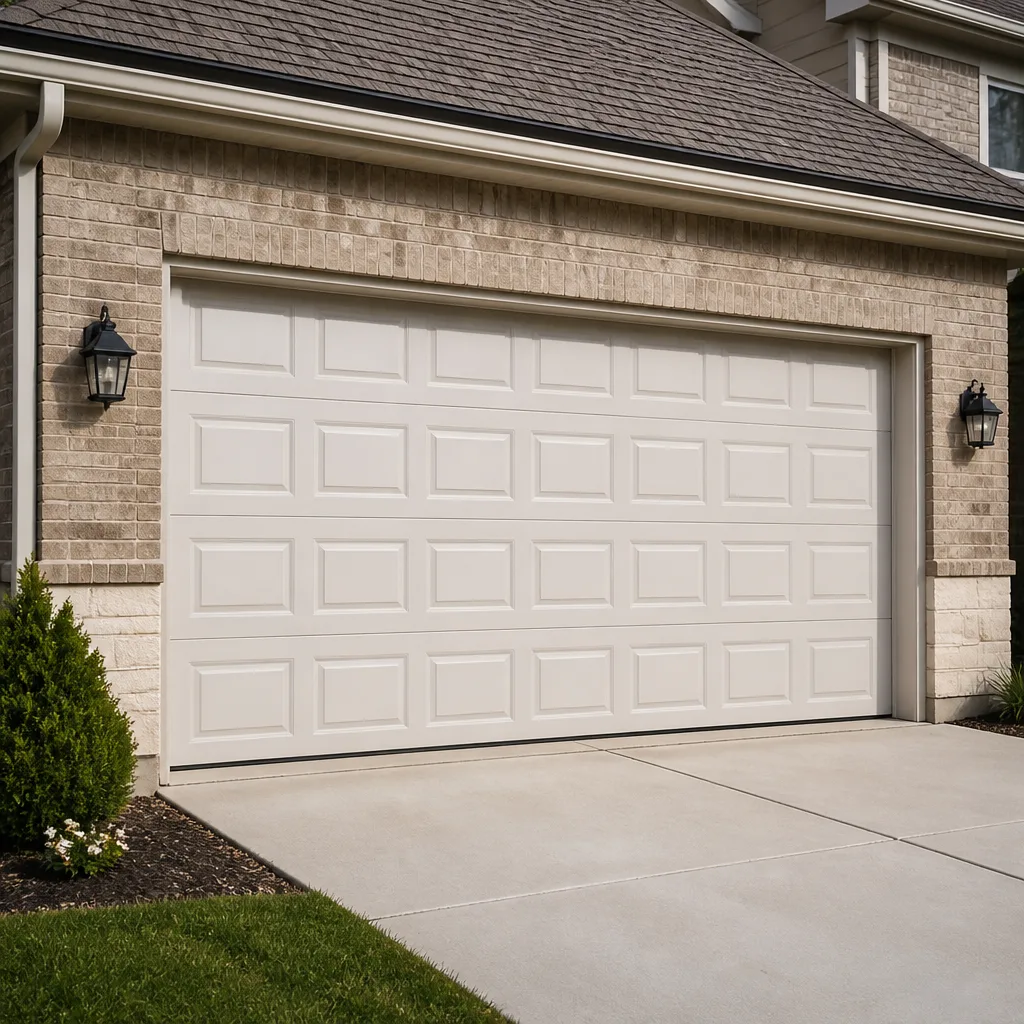 Raised-panel steel
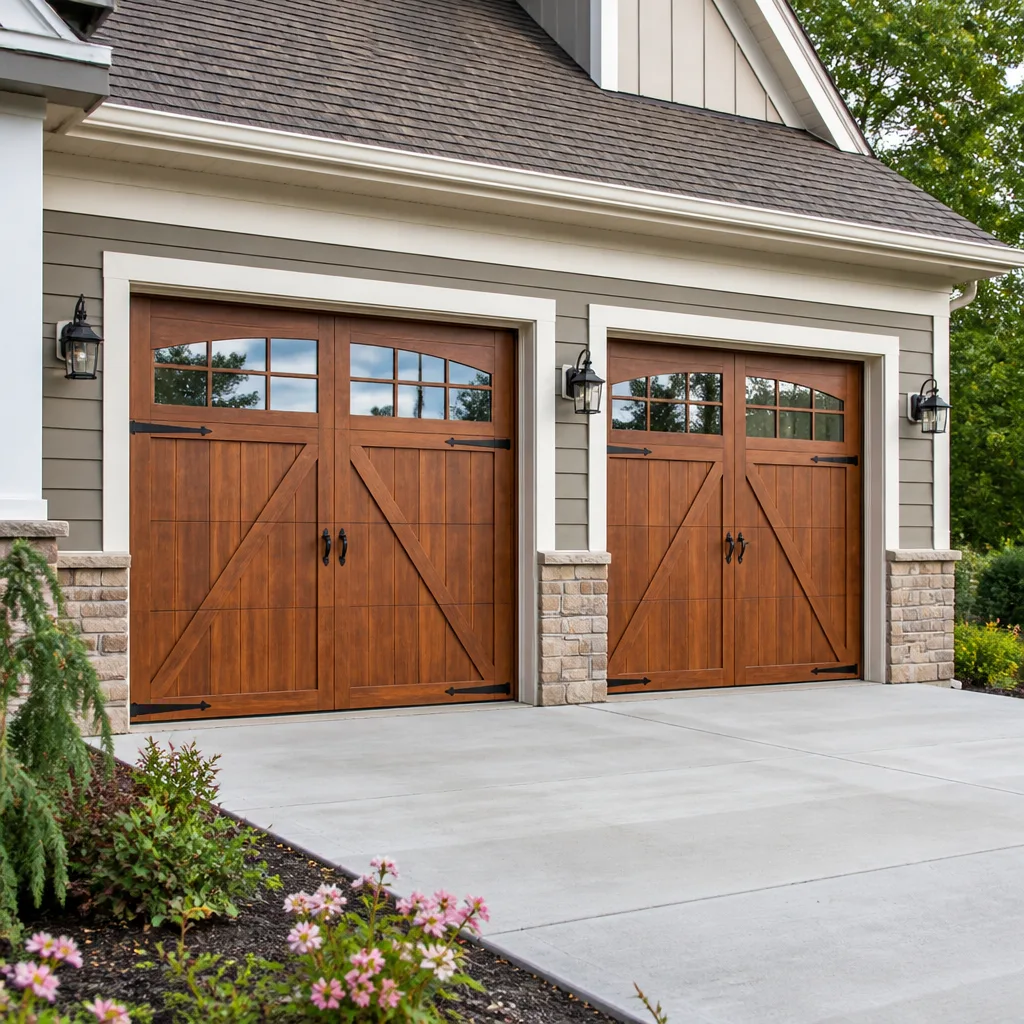 Carriage house
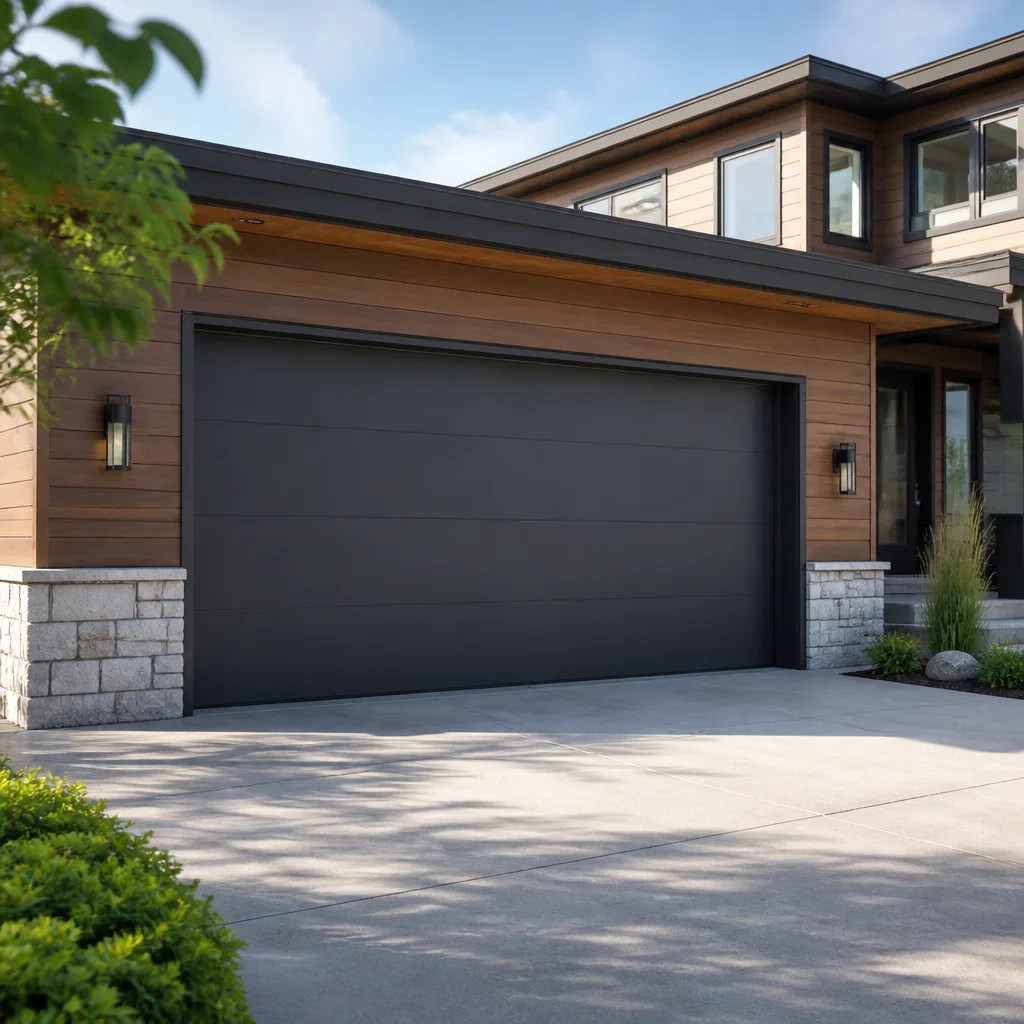 Modern flush
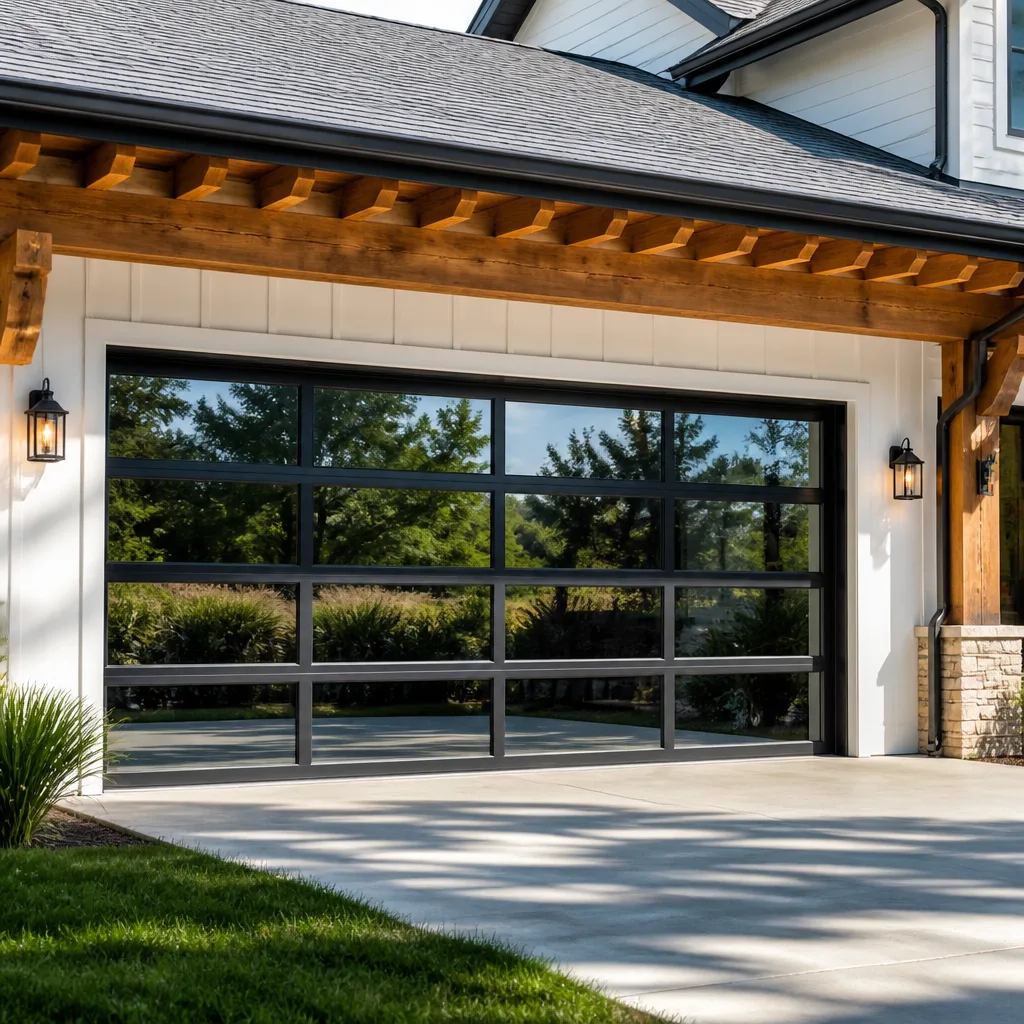 Full-view glass
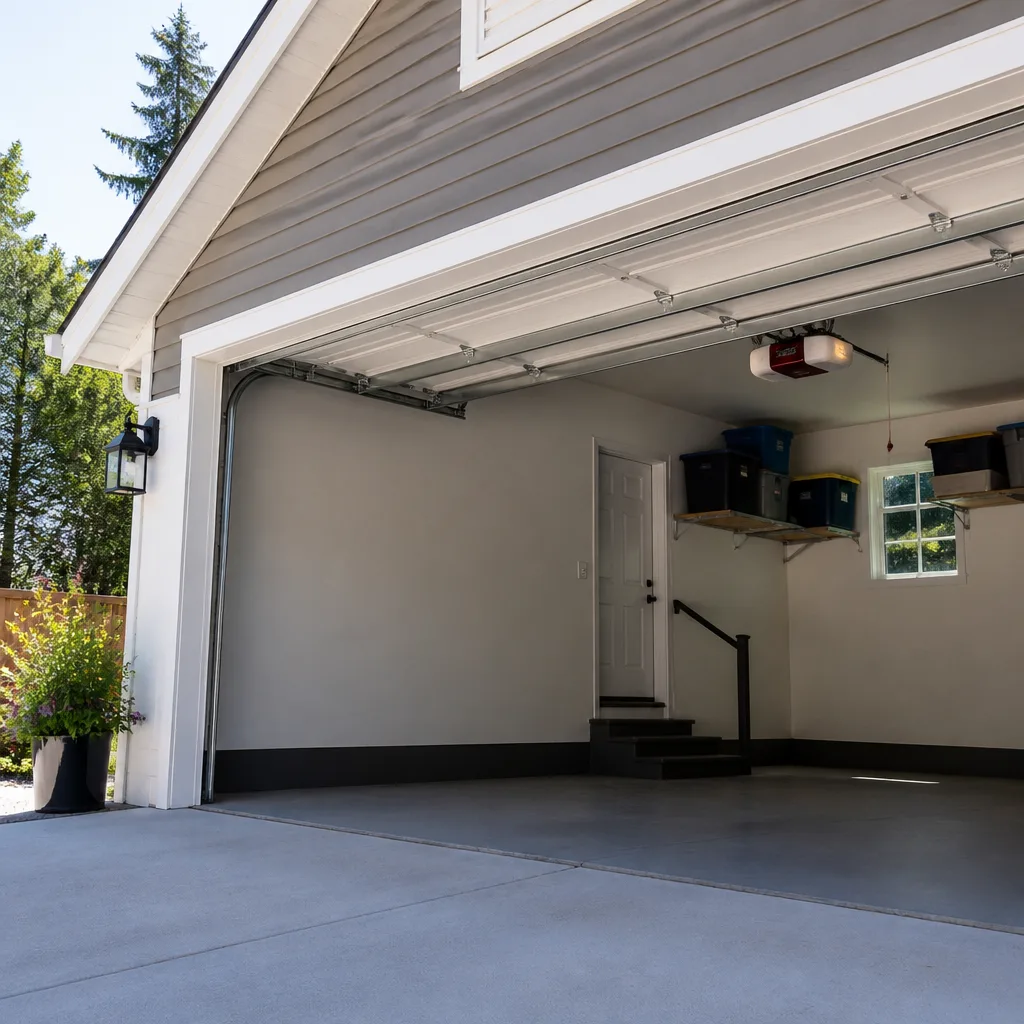 LiftMaster openers
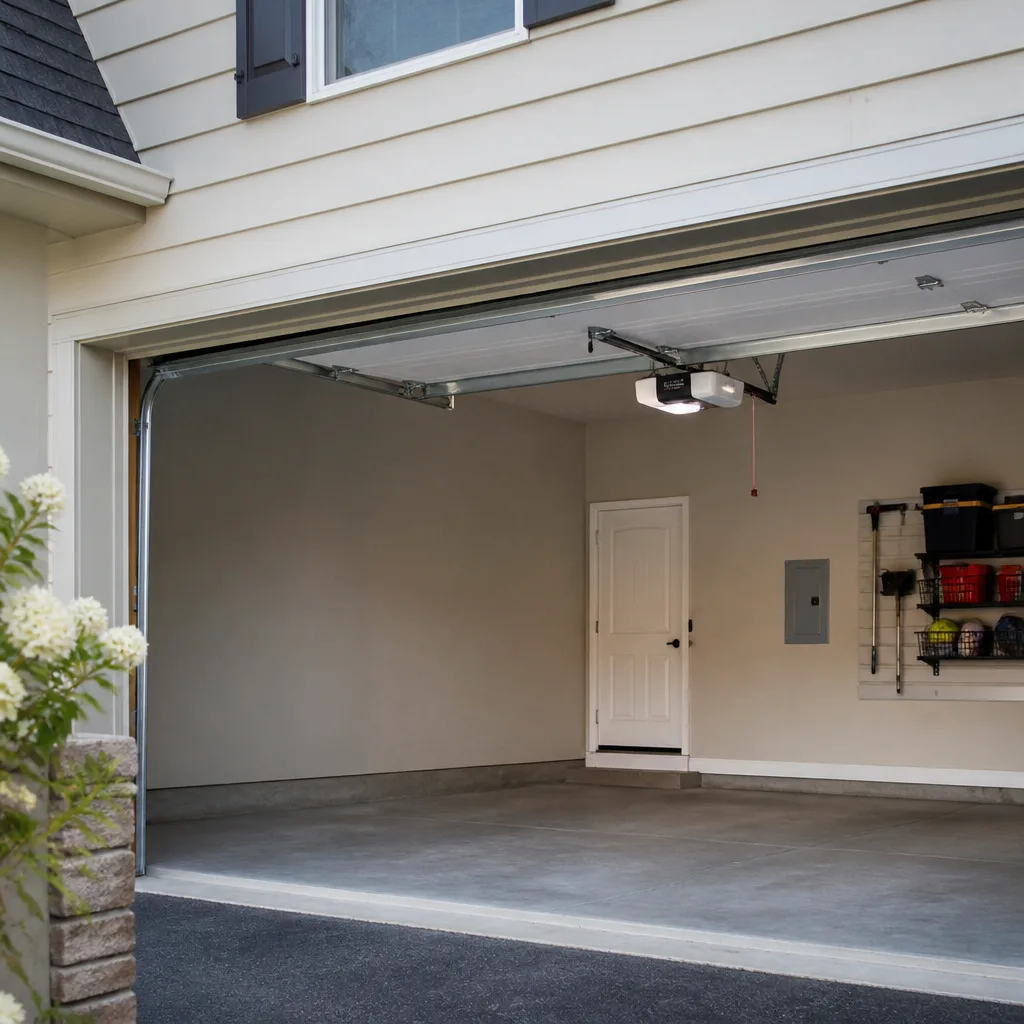 Chamberlain openers
Full 25-point door and opener safety check with every visit - springs, cables, rollers, tracks, and your LiftMaster or Chamberlain opener included
You get a price before we start. It does not change when the pro arrives.
Get your free estimateThe Complete Guide to Garage Doors in Wakefield
Most “complete” garage door guides are written for a suburban ranch house in Phoenix with an eight-foot ceiling, a wide driveway, and hardware that was installed last decade. If you have a 1960s attached garage in Wakefield with a seven-foot headroom clearance and a manual release that hasn’t been tested in years, those guides will steer you wrong. The advice isn’t bad – it’s just aimed at a different house. This guide isn’t. We wrote it for the housing stock you actually live in: attached garages tucked under bedrooms, narrow urban lots where a door has two inches of clearance on each side, and row-house configurations where the neighbor’s wall is part of your structural reality. By the end you’ll know how to size a spring, tell standard from low-headroom hardware, choose a door material that survives Wakefield’s freeze-thaw cycle, and decide whether to repair or replace without being sold something you don’t need.
Quick Answer
Garage doors in Wakefield need three things handled differently than in newer suburban markets: hardware sized for tighter rough openings, doors and finishes that tolerate hard seasonal temperature swings and road salt tracked in from winter plowing, and opener setups matched to older electrical and clearance conditions. Most repair jobs run $180 to $600 depending on the part, while a full door replacement typically lands between $900 and $2,800. The written estimate sets the final price, and it’s agreed before any work starts.
Styles & brands we work with
- Raised-panel steel
- Carriage house
- Modern flush
- Full-view glass
- LiftMaster openers
- Chamberlain openers
Table of Contents
- How Wakefield’s Housing Stock Changes the Rules
- Spring Sizing and the Repairs That Actually Fail
- Low-Headroom vs. Standard Hardware: Which Does Your Garage Need?
- Door Materials That Hold Up to Wakefield Weather
- Reading Your Rough Opening: Standard Replacement or Framing Work?
- Opener Compatibility and Older Wiring
- Repair or Replace: The Decision Map
- What Garage Door Work Costs in Wakefield
We’re Wakefield Garage Door Repair Pros, and every job we take on in this guide is a garage door job. That focus is why we can tell you, before anyone touches your door, roughly which of these categories your house falls into. Our technicians have up to 11 years of experience, and our estimates are free.
How Wakefield’s Housing Stock Changes the Rules
Older Wakefield homes were built with garages that were often an afterthought. A single-car attached garage under a second-floor bedroom, a door opening onto a narrow alley, a ceiling joist spaced to leave seven feet of clearance and not an inch more. That configuration is common here and almost nonexistent in new construction. It changes how a spring gets specified, what track profile fits, and whether a modern opener will physically sit in the space above the door.
Three conditions matter most in Wakefield:
- Tighter ceiling clearance. Older attached garages often have seven feet or less from the floor to the lowest obstruction. Modern openers and standard radius track assume eight feet or more, so headroom has to be measured before anything else.
- Narrow lots and close sidewalls. When the door sits two inches from a brick party wall, there’s no room for a wider track profile or a torsion assembly that needs side clearance. Vertical clearance for the door to swing up is constrained too.
- Framing that has moved. Decades of frost heave and seasonal movement in an older Wakefield garage can shift a header or rough opening out of square. A door that was properly hung twenty years ago may now bind because the frame, not the door, moved.
None of this is unusual, and none of it means your garage is a problem. It means the guide you follow should start with measuring your space, not buying a door. If you’d rather have someone measure it, Wakefield Garage Door Repair Pros will do a free measure and hand you a written price on the spot.
Spring Sizing and the Repairs That Actually Fail
Springs fail in Wakefield for two reasons: they’ve reached the end of their rated cycle count, and they were sized for a door that isn’t quite the one on the building anymore. Springs are specified by the weight of the door and the height of the track, not by door width alone. A previous owner who swapped a steel door for a wood-composite model, or a door that picked up forty pounds of loaded shelving against the inside, will load the original springs past what they were rated for. They break sooner.
There are two spring systems you’ll find in Wakefield garages, and knowing which one you have matters:
- Torsion springs. Mounted on a shaft above the door, one on each side for most doors. They carry the full weight of the door and they are under extreme tension, which is why a technician servicing them handles them with a winding bar, not by hand.
- Extension springs. Run along the horizontal tracks on each side, coiled and stretched as the door closes. Older doors and low-headroom setups often use these. They still carry the door weight and can fail violently.
Spring replacement is the most safety-critical job on a garage door, and it’s a job we handle as a dedicated service rather than something tacked onto general repair calls. A snapped torsion spring or a ruptured extension spring can release stored energy that will break a bone or worse. If you’re standing there with a broken spring and a door stuck open or shut, leave the door where it is and keep vehicles and people out from under it. Then call. This is exactly what our emergency service is for.
Typical replacement pricing in Wakefield runs $180 to $340 per spring, with most doors using a matched pair. A pair typically costs about twice the price of one. Leave the door resting on a trained pro for this one – a screwdriver and a pair of pliers are how people get hurt. For scheduled spring work, garage door repair is the number to call.
Low-Headroom vs. Standard Hardware: Which Does Your Garage Need?
Headroom is the measurement that decides dozens of downstream choices, and in Wakefield’s older attached garages it’s the one homeowners most often skip. The number you need is the distance from the top of the door opening to the lowest thing above it – a joist, a heating duct, a ceiling, anything. Measure that before you think about a door or an opener.
Here’s the rough cut:
- Standard headroom (about 10 to 12 inches above the door opening) allows a normal-radius track and a chain or belt-drive opener to sit overhead. This is what most new construction assumes.
- Low-headroom (7 to 10 inches of clearance) calls for a low-headroom track profile and a low-header track radius. It keeps the door closer to the ceiling and gets the opener out of the way. It’s more common in Wakefield than the national guides admit, especially on doors that open into short utility spaces.
- Very tight clearance (under 7 inches) may need a rear-mounted torsion assembly, a side-mount or jackshaft opener, or a high-lift track that takes the door further up before turning it back.
- Sloped or low ceilings above the door can force a follow-the-roof track profile, which is a different track from a standard radius.
A jackshaft or side-mount opener is a common fix in a Wakefield row-house garage where there’s simply no overhead room for a rail. It mounts to the wall next to the door and drives the torsion shaft directly, freeing the whole ceiling area. If you’re not sure which of these you need, the honest answer is to have the space measured. That’s part of what we do on a free estimate. Our technicians can tell you which brands a given opener will run – we work with LiftMaster, Chamberlain, Genie, Clopay, Amarr, Wayne Dalton, Craftsman, and Raynor, and we’re factory-familiar with all eight.
Door Materials That Hold Up to Wakefield Weather
Wakefield’s climate does a particular number on garage doors: hard seasonal temperature swings, a genuine freeze-thaw cycle through the year, and road salt tracked in from winter plowing. That combination favors doors that don’t absorb moisture, keep their finish through repeated freezing, and resist salt film on the lower panels. Salt air and coastal conditions aren’t the issue here – road salt is – but the lower edge of any garage door in Wakefield gets hit with both snow and the grit and salt that come with it.
How the main materials stack up, in the conditions you actually have:
- Steel. The most common choice for Wakefield garages, and for good reason. Steel holds a finish, resists salt, and stays straight through temperature swings. Its weakness is the same one that affects all thin steel: a hard hit dents a panel, and dents aren’t always repairable without replacing the section. Clopay and Amarr both make steel doors that handle this climate well, and we can spec either.
- Aluminum. Lighter than steel and resistant to rust, which makes it a sensible pick for a door that gets a lot of road salt at the base. But it dents more easily than steel and needs a heavier gauge to hold up in a tight lot where the door is close to a wall.
- Wood and wood-composite. Warmer look, but they need ongoing maintenance in Wakefield’s swing between wet and dry seasons, and the panel gives less impact resistance. If you want the wood look, a wood-composite or a steel door with a wood-grain finish usually survives the winters more reliably.
- Insulated steel over uninsulated. If your garage sits under living space, as many Wakefield attached garages do, an insulated door keeps the room above warmer and quieter. An insulated door adds weight, which changes spring sizing, so plan both together.
For a full-replacement quote on a door that suits your opening and your winter, garage door installation is where to start, and it’s a free measure.
Reading Your Rough Opening: Standard Replacement or Framing Work?
Your rough opening is the framed hole in the wall that the door sits in, and whether it can take a standard replacement door or needs framing work is the single biggest cost fork in a garage door project. In Wakefield’s older stock, it comes up often, and it’s worth checking before you shop for doors.
Walk through these steps to get a rough read:
- Measure the opening width and height at the top, middle, and bottom, and across both sides. If the numbers match within a quarter inch, the framing is likely sound and square enough for a standard replacement.
- Check the header. The horizontal framing above the opening has to carry the door and the track. Look for sag. A sagging header is a framing job, not a door job.
- Check the jambs for plumb with a level, top to bottom on each side. Older Wakefield garages that have moved off-plumb will bind a new door unless the jamb frames are adjusted first.
- Note anything protruding into the opening – a heating duct, a low joist, a diagonal brace. These affect track and headroom, and sometimes just the opening itself.
- Check the sill. The floor under the door needs to be intact and not significantly below the street, or water and snowmelt will run under the weather seal.
If the opening measures consistently and the header is sound, a standard replacement door will fit the existing opening. If it doesn’t, expect framing work or a custom-size door, and expect a different number. This is exactly the kind of thing a written measure catches before you order anything. Call (844) 459-6133 and we’ll measure and quote it.
Opener Compatibility and Older Wiring
An opener that’s the wrong size, wrong drive type, or paired with the wrong track can make a good door feel broken. In Wakefield’s older homes the two things that trip people up are clearance (see the low-headroom section) and electrical service. Many older garages have a single outlet on a shared circuit, or a light circuit with no dedicated feed to the opener location. A new opener needs power where it needs power, and adding a circuit is an electrician’s job, not a garage door job.
Beyond wiring, opener choice comes down to the door’s weight and your headroom:
- Belt drive. The quietest option, good over a bedroom or living space.
- Chain drive. The standard workhorse, fine where noise isn’t a concern.
- Screw drive. Fewer moving parts, works in cold temperatures, common in shops.
- Jackshaft / side-mount. The fix when overhead clearance is tight, mounting to the wall beside the torsion shaft.
The opener brands we work with are the eight that dominate the US market: LiftMaster, Chamberlain, Genie, Clopay, Amarr, Wayne Dalton, Craftsman, and Raynor. That matters when your door is running an older Craftsman opener and you want to keep it, or when a Genie has given up and you want a straight replacement. A generalist handyman will guess at brand-specific quirks; a specialist knows them. For a repair to an existing unit, garage door opener repair is where we come in, and for a full swap we can quote it the same call.
Repair or Replace: The Decision Map
The money question for most Wakefield homeowners with a misbehaving door is whether to repair or replace. There’s no single answer, but the decision pivots on three things: the door’s age relative to its design life, whether the failure is in the mechanism or the door itself, and whether the door has more than one problem at once.
Use this as your map:
- Single mechanism failure, door intact. A snapped spring, a broken opener, a bent track, a frayed cable. Repair. The door is sound, and the fix is a known quantity. Springs and openers in particular are routine repairs, not replacements.
- Two or more mechanism failures at once. A door that has a broken spring, a bent track, and an opener that keeps reversing. Consider whether repairing each in turn costs more than a replacement over the next year or two, and get both numbers before deciding.
- Damaged sections with sound hardware. A single dented or damaged panel is often replaceable on its own – especially on a steel door – and hardware can stay. Look at panel replacement before full replacement.
- Door at or past its expected life, with original hardware. A door installed decades ago with every original spring, opener, and track still on it is due. When the frame is sound and the opening is standard, that’s a clean replacement.
- Frame or rough opening out of square. This is where framing work enters, and it’s a full-project decision. A door that binds because the frame moved is a door that needs the frame dealt with first, then a new door hung on it.
The honest filter for all five is this: is the failure in the door or in the mechanism? A sound door almost always earns a repair. A door that has taken multiple hits or is at the end of its service life earns a replacement. We’ll tell you which one you’re looking at, in plain language, before anyone touches anything. A second opinion is free.
What Garage Door Work Costs in Wakefield
Costs in Wakefield track the general shape of the national market with a bump for the local housing stock: tighter clearances and older framing mean more time and more hardware-specific parts. Here’s a typical range for the common jobs. The written estimate sets the final price, and it’s quoted and agreed before any work starts.
| Job | Typical estimated range |
|---|---|
| Single torsion or extension spring replacement | $180 – $340 per spring (a matched pair typically costs about twice one) |
| Opener replacement (belt or chain drive) | $300 – $600 |
| Opener repair (board, motor, sensors, remotes) | $120 – $300 |
| Track straightening or replacement | $150 – $400 |
| Cable replacement | $120 – $280 |
| Panel replacement (single steel section) | $250 – $700 |
| Full door replacement (steel, non-insulated) | $900 – $1,800 |
| Full door replacement (insulated or wood-composite) | $1,400 – $2,800 |
| Framing work for a non-standard rough opening | Quoted separately after the measure |
A few cost realities worth stating plainly. A spring price is for one spring; a matched pair is usually the right call, so budget roughly double. A door replacement is measured, ordered, and scheduled, so we don’t promise same-day service on a new door – we promise a free measure and a written price instead. Emergency repairs, which we handle as a standing offering, are the ones that move fastest. And the price you agree in the written estimate is the price you pay; if we find something new mid-job, we stop and talk to you before doing anything that changes the number.
Common Mistakes to Avoid
- Assuming your rough opening is standard. A Wakefield garage that was framed decades ago can be a quarter inch off in more than one direction. Order a standard door without measuring first and you’ll be shipping it back.
- Replacing a door when the problem is the spring. A door that won’t lift, feels heavy, or stops halfway is almost always a spring or cable problem, not a worn-out door. Diagnose the mechanism before you think about a new door.
- Buying an opener without checking headroom. A chain-drive opener over seven-foot clearance may not fit at all, or may not leave room for the door to fully open. Measure headroom before you buy the opener, not after.
- Choosing a door material that ignores road salt. In Wakefield the lower weather seal and bottom panel see a lot of salt. Unprotected steel in the panel seams rusts from the inside out, and aluminum can pit. Pick a finish that tolerates it, or plan on touching it up.
- Skipping the manual release test. That red handle releases the door from the opener. If it hasn’t been pulled in a decade, it can bind or break exactly when you need it in a power outage. Test it so the door still opens when the opener is dead.
- Assuming a new opener fixes a binding door. If a door binds because the track, spring, or frame is wrong, a new opener makes the binding faster, not better. Fix the door before the motor.
- Ignoring the seal at the bottom. A worn bottom seal lets snowmelt, grit, and salt under the door all winter, which finds its way onto the lower panel and the floor frame. It’s cheap to replace and it protects everything above it.
See the difference
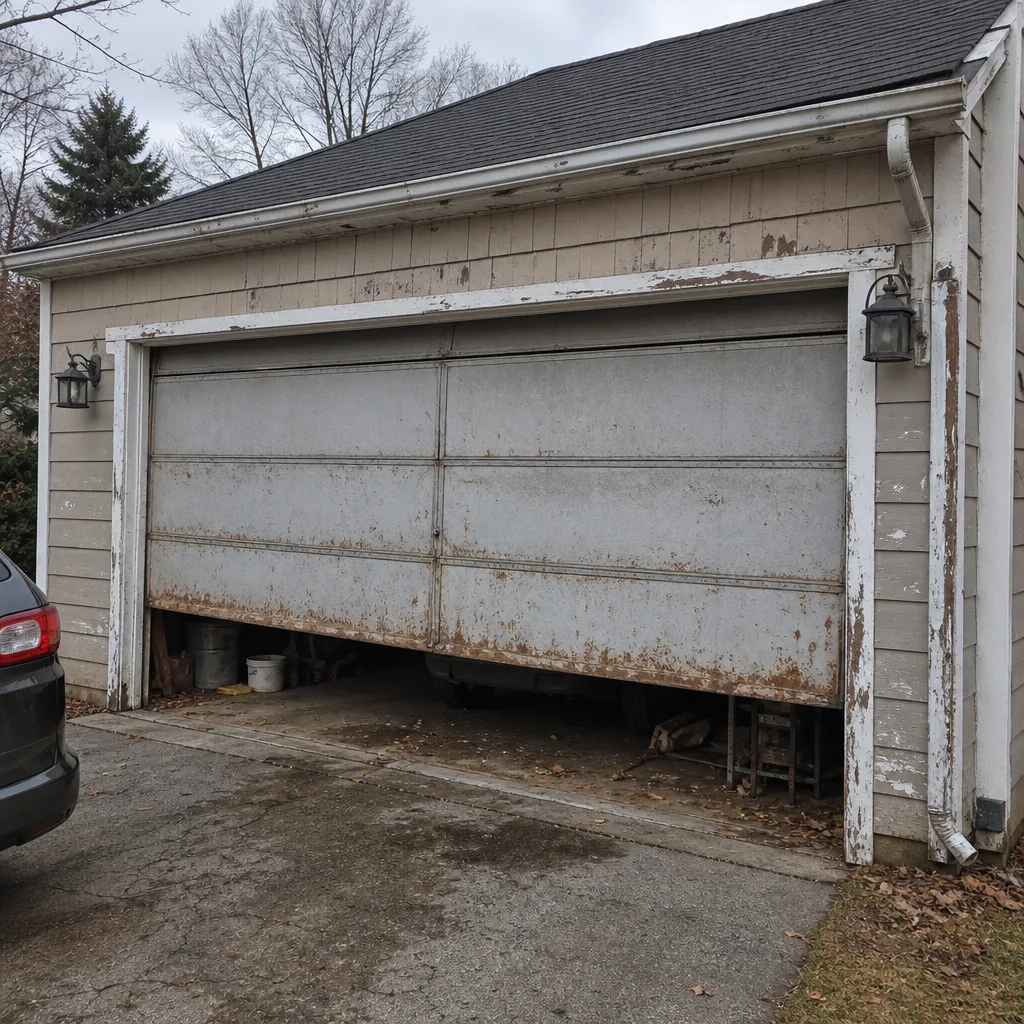 Before
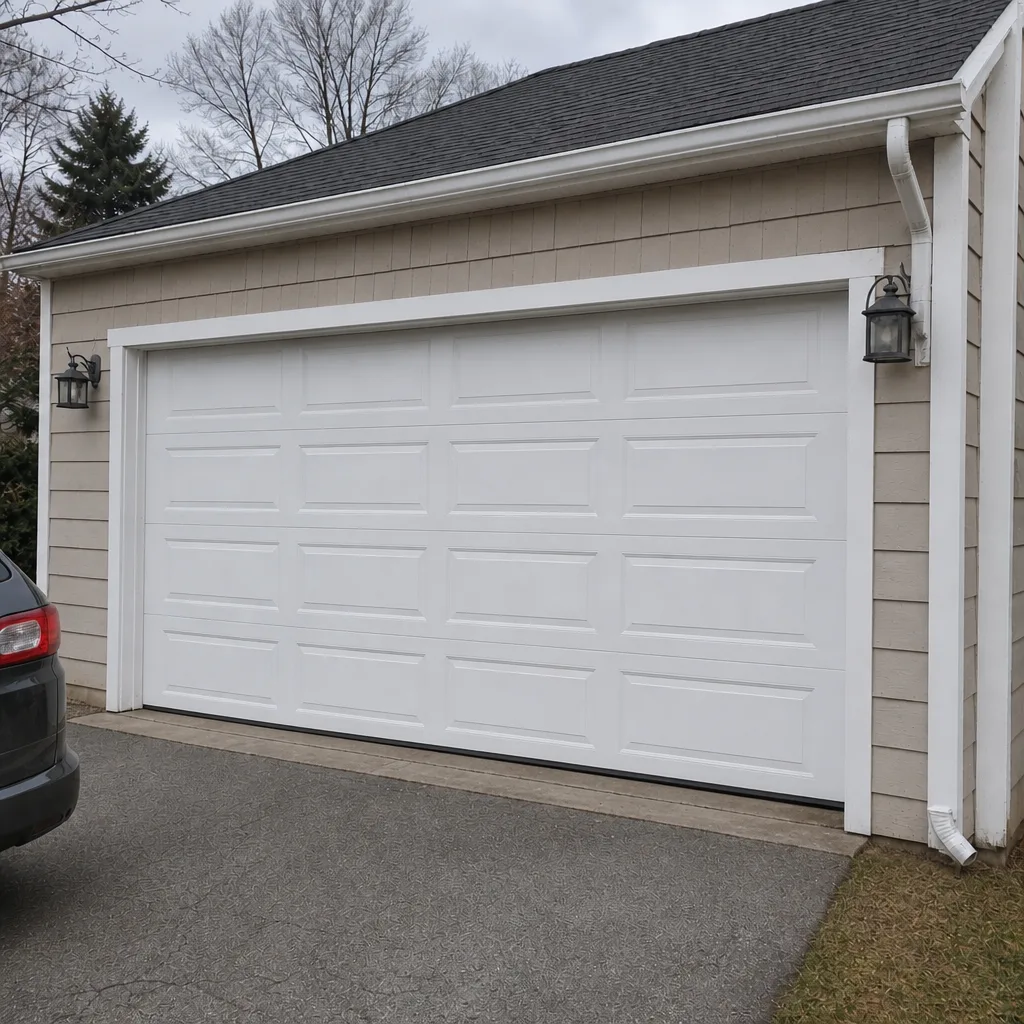 After
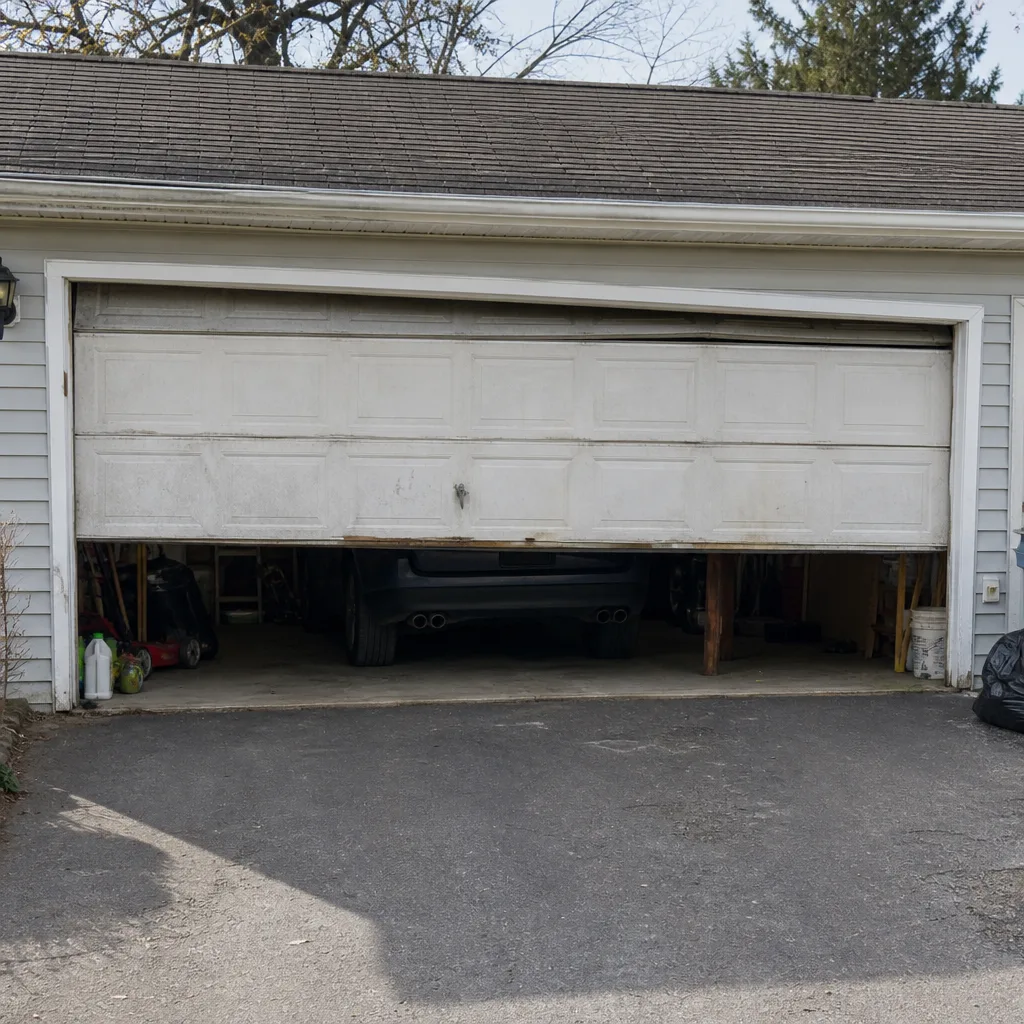 Before
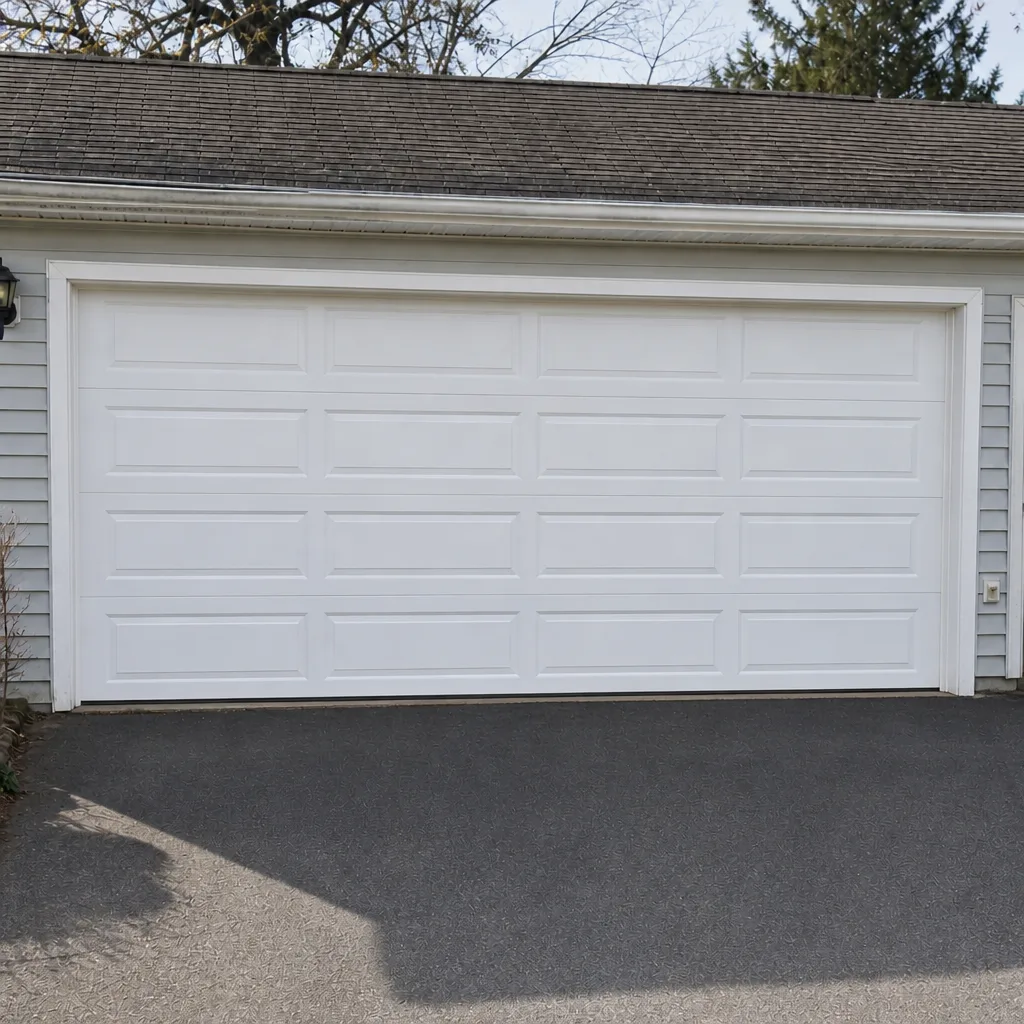 After
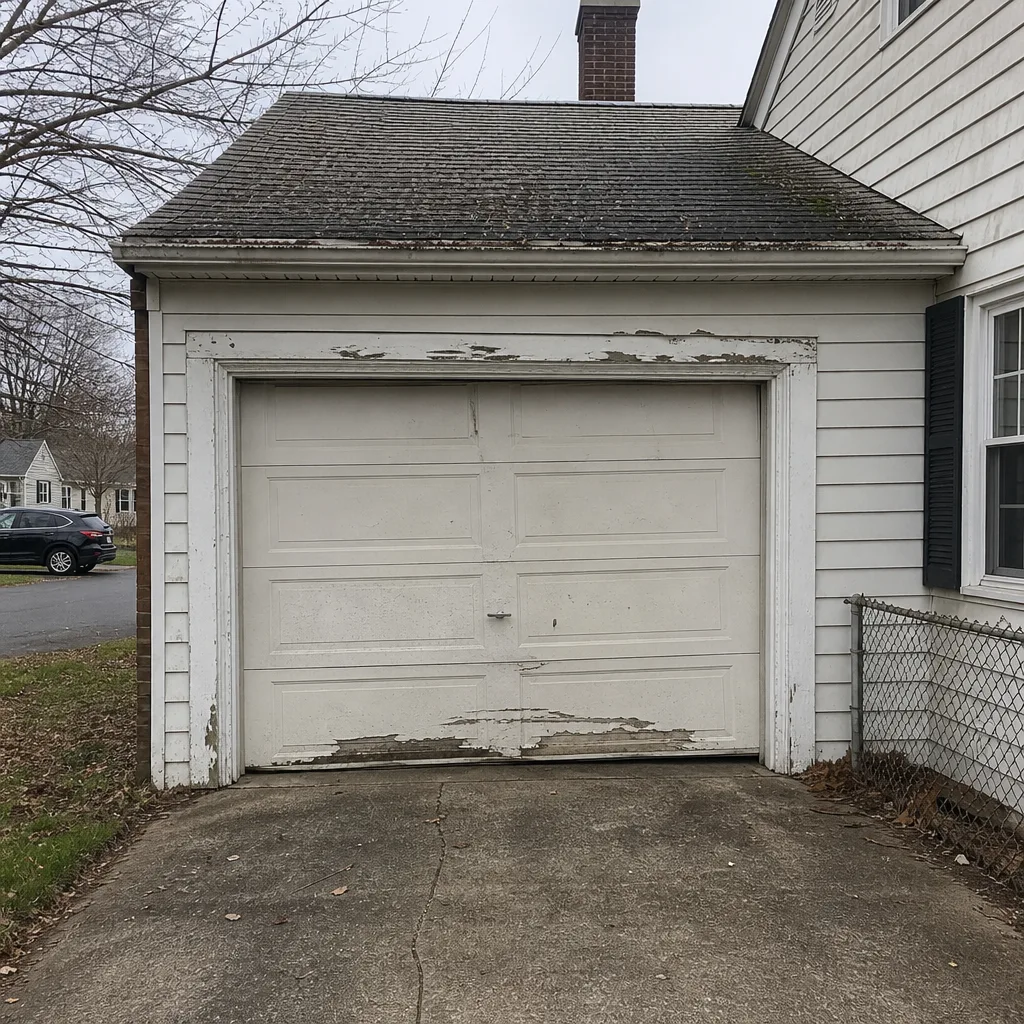 Before
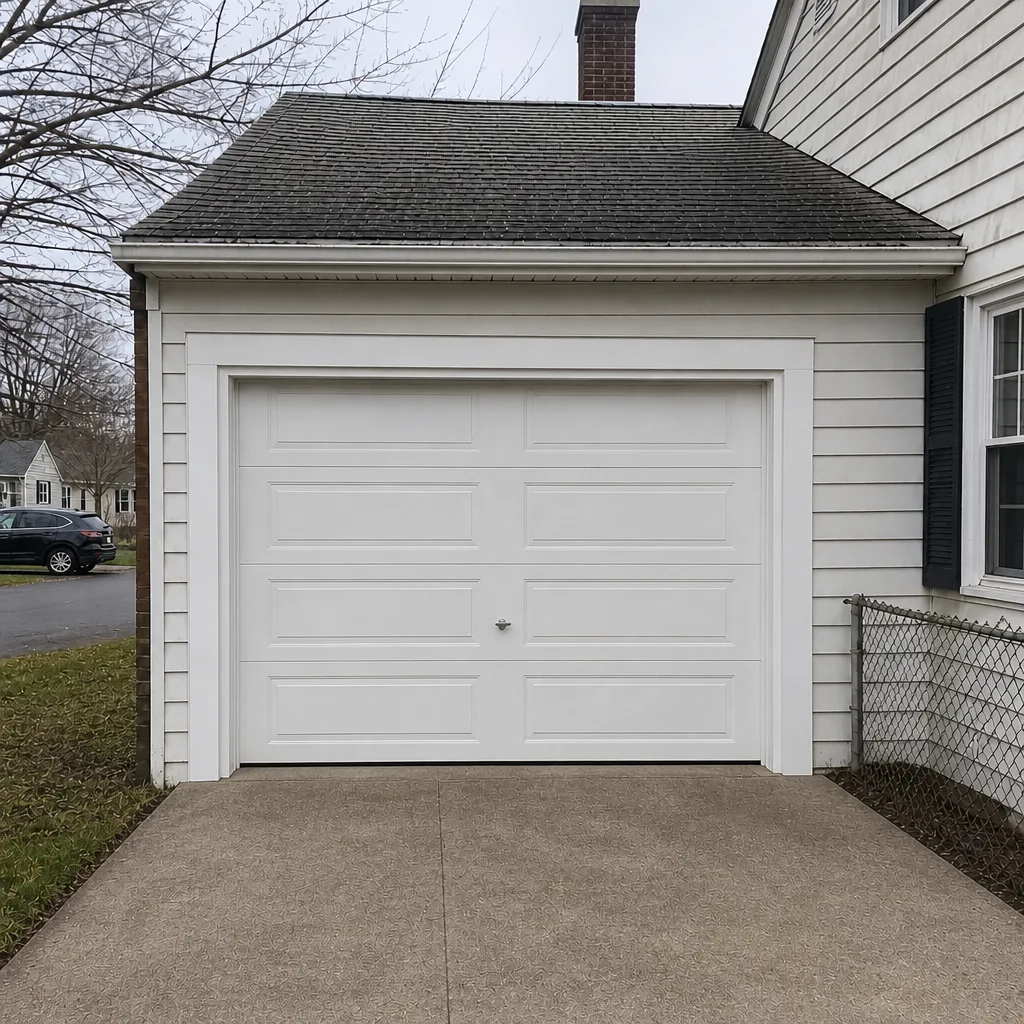 After
When to Call a Professional
Some garage door problems can wait for a scheduled visit. Others can’t. Call us now if a spring has snapped and the door is stuck open or stuck shut, if a cable has come off its drum, if the door is hanging crooked on one side, or if the opener runs but the door doesn’t move at all. Those indicate a mechanism under tension or a door that’s lost its balance, and the safest thing is to keep it where it is and let a trained technician deal with it. Also call if a panel has been hit hard enough that the frame may have moved, or if the door is binding on the jambs – those are framing questions that a simple parts swap won’t fix. Spring, cable, and opener work is the most common thing we handle, and both are jobs where the cost is known up front and the price is agreed before we start. Wakefield Garage Door Repair Pros offers free estimates in Wakefield – call (844) 459-6133.
Frequently Asked Questions
Most garage door repairs in Wakefield run between $120 and $600 depending on the part. A single spring replacement is typically $180 to $340, an opener repair $120 to $300, and a cable replacement $120 to $280. The written estimate sets the final price, and it’s agreed before any work starts. Call (844) 459-6133 for an exact quote – estimates are free.
For a snapped spring, a door stuck open, or an opener that’s failed, our emergency service is a standing offering and can often get someone out the same day. For a full door replacement, it’s a measured, ordered, and scheduled job – we’ll do a free measure and hand you a written price first. Call (844) 459-6133 and we’ll route the call correctly.
No – the price we quote is the price agreed before any work begins. If we discover something that changes the job, like a rough opening that needs framing work, we stop and explain what’s changed and get your approval before touching it. All prices are estimates; the written quote sets the final number. Call (844) 459-6133 to book a free estimate.
The local professionals who perform the work are licensed and insured as their state requires. We connect you with vetted, trained technicians who handle the full range of garage door work – springs, openers, panels, and installs – and our technicians have up to 11 years of experience. Call (844) 459-6133 with any questions.
Not always, but sometimes. If your garage has less than about twelve inches of clearance above the door opening, plan on low-headroom track and possibly a side-mount opener. Measure from the top of the opening to the lowest obstruction above it. If you’re not sure, ask us to measure it – that’s part of a free estimate.
Usually not. A single dented panel is often replaceable on its own, especially on a steel door, and the mechanism can stay as-is. Only consider a full replacement if the door is at the end of its life, has multiple failing parts, or the frame is out of square. Call (844) 459-6133 and we’ll tell you honestly which of those you have.
The Bottom Line
Garage doors in Wakefield live in older housing stock that generic guides ignore. That changes what you’ll pay for, which hardware fits, and whether a repair or a full replacement is the right call. Measure headroom before anything else. Treat a snapped spring as an emergency and leave it to a technician. Match door materials to Wakefield’s freeze-thaw cycle and road salt. And always get a written price before work starts, because the written estimate is the price. If it’s simpler to have someone look at it, that’s what we’re for – a free measure and a clear answer, one call covers it.
Whether it’s a repair, an opener swap, a spring replacement, or a new door for a Wakefield home, our estimates are free and the price is agreed before we start. We work on your brand – LiftMaster, Chamberlain, Genie, Clopay, Amarr, Wayne Dalton, Craftsman, Raynor – and our technicians have up to 11 years of experience. Call (844) 459-6133 for a free estimate and get your garage door working right again.
Written by the team at Wakefield Garage Door Repair Pros.