Last updated November 21, 2026
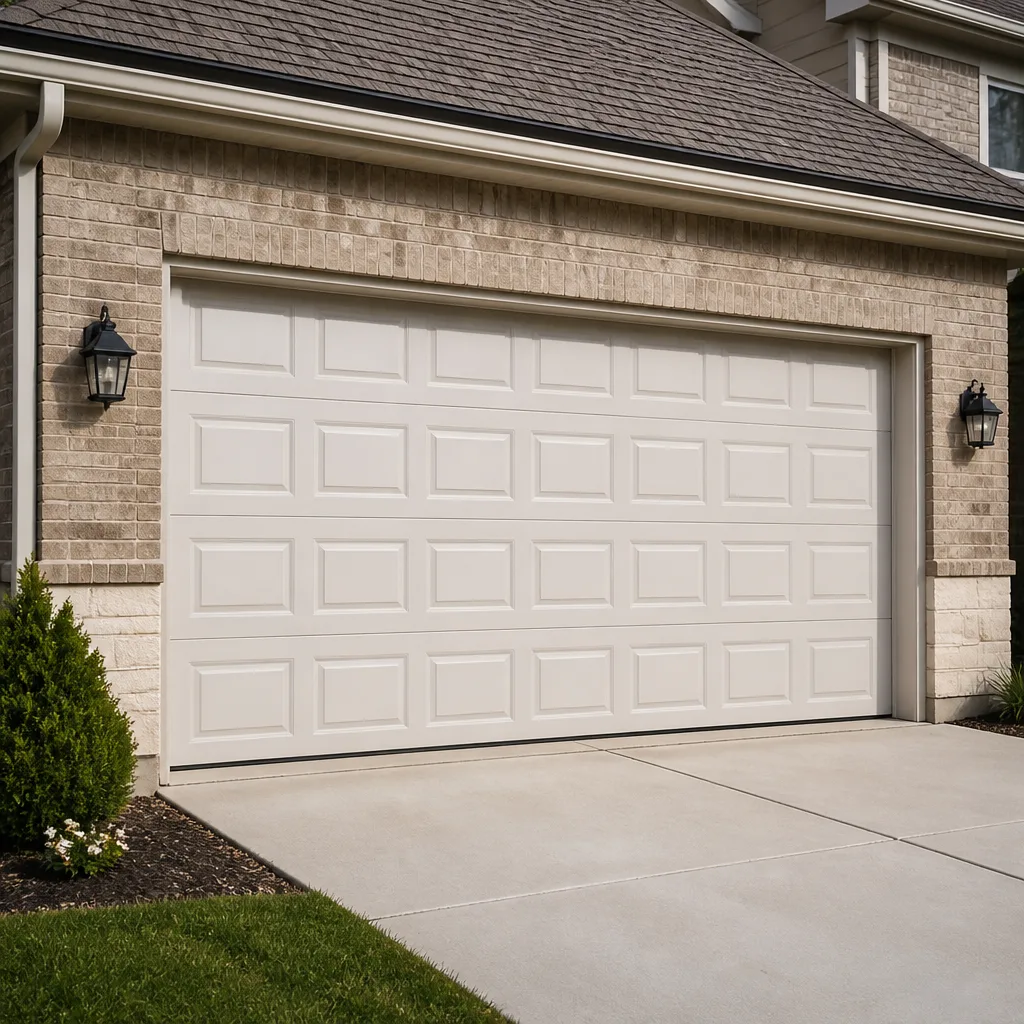 Raised-panel steel
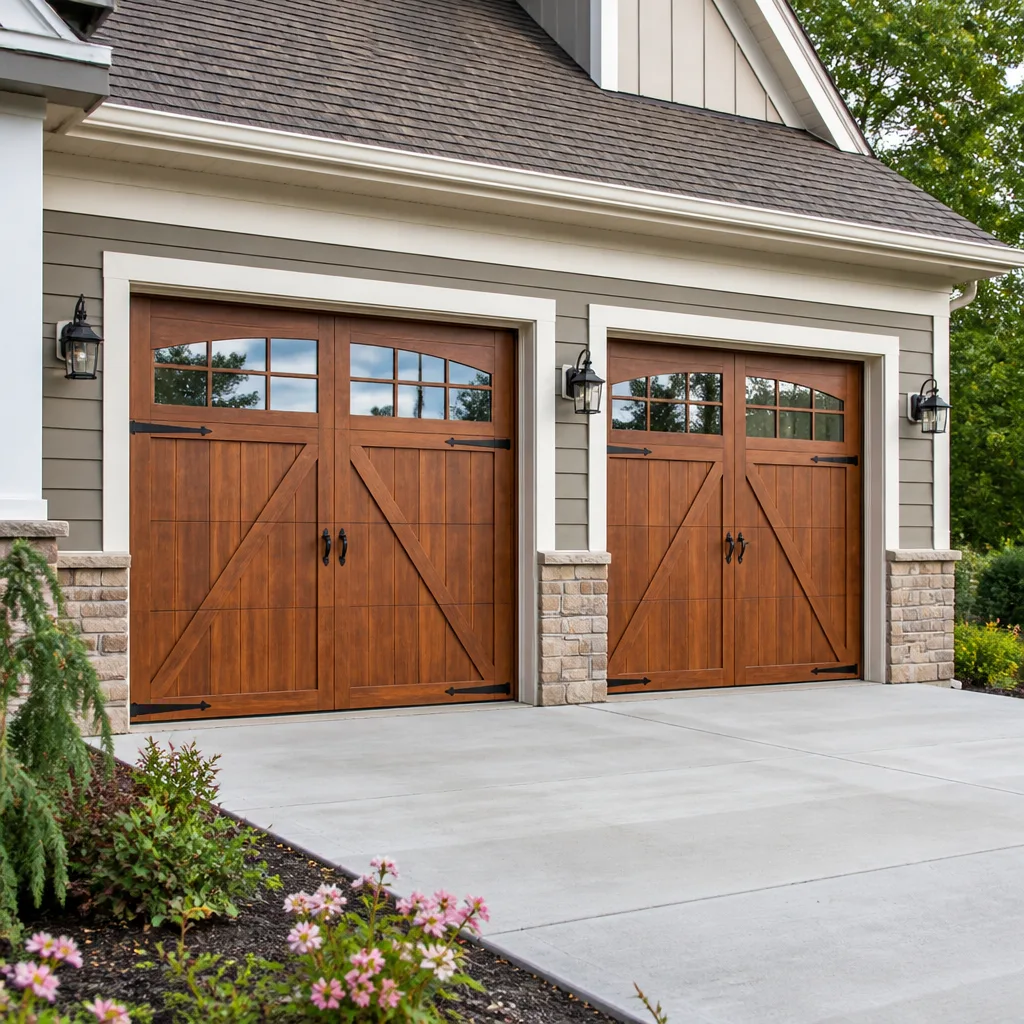 Carriage house
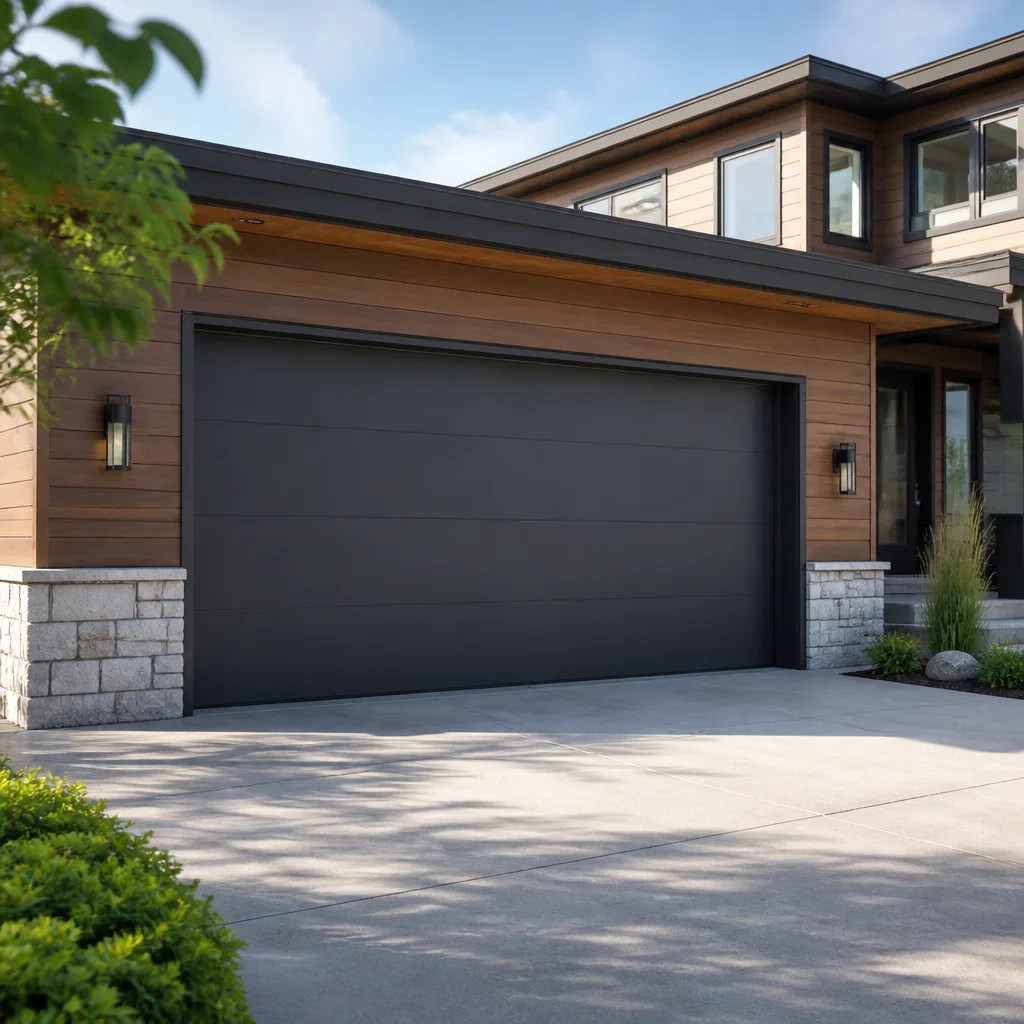 Modern flush
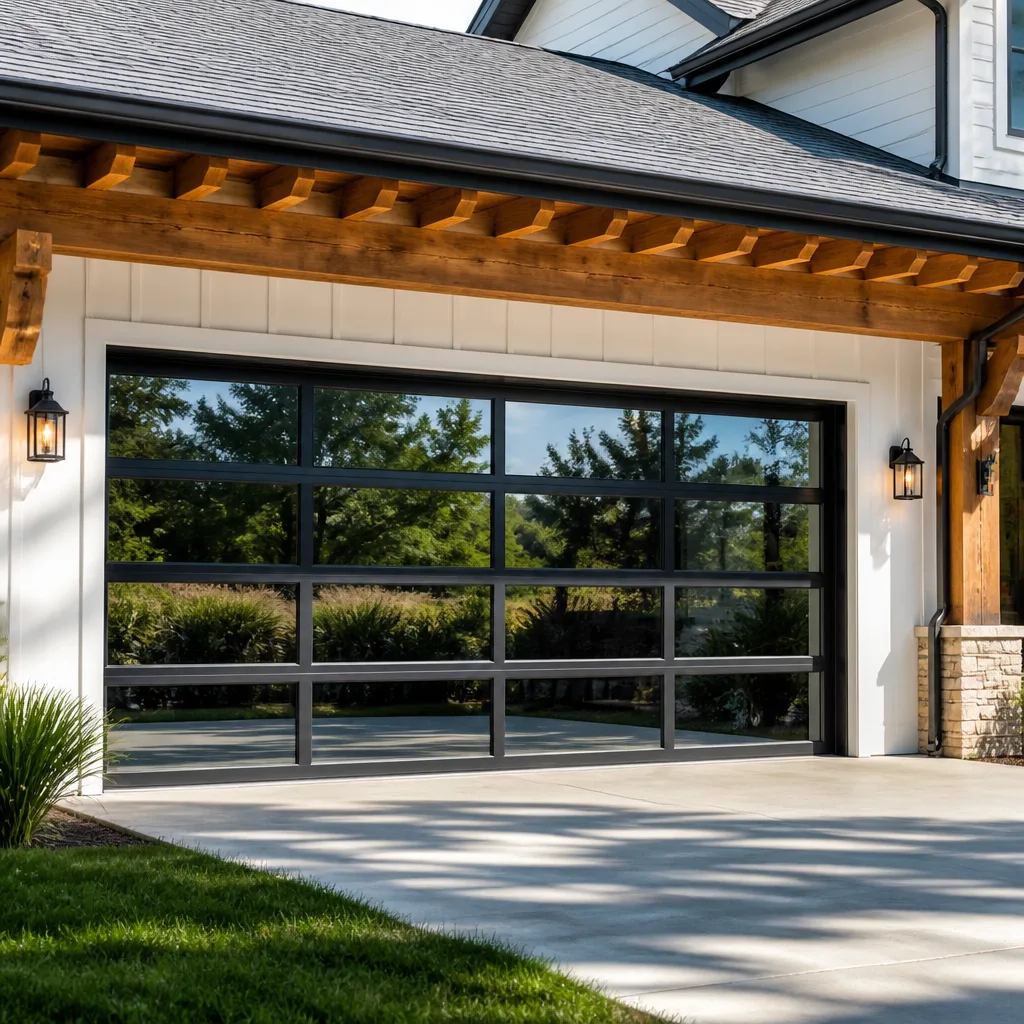 Full-view glass
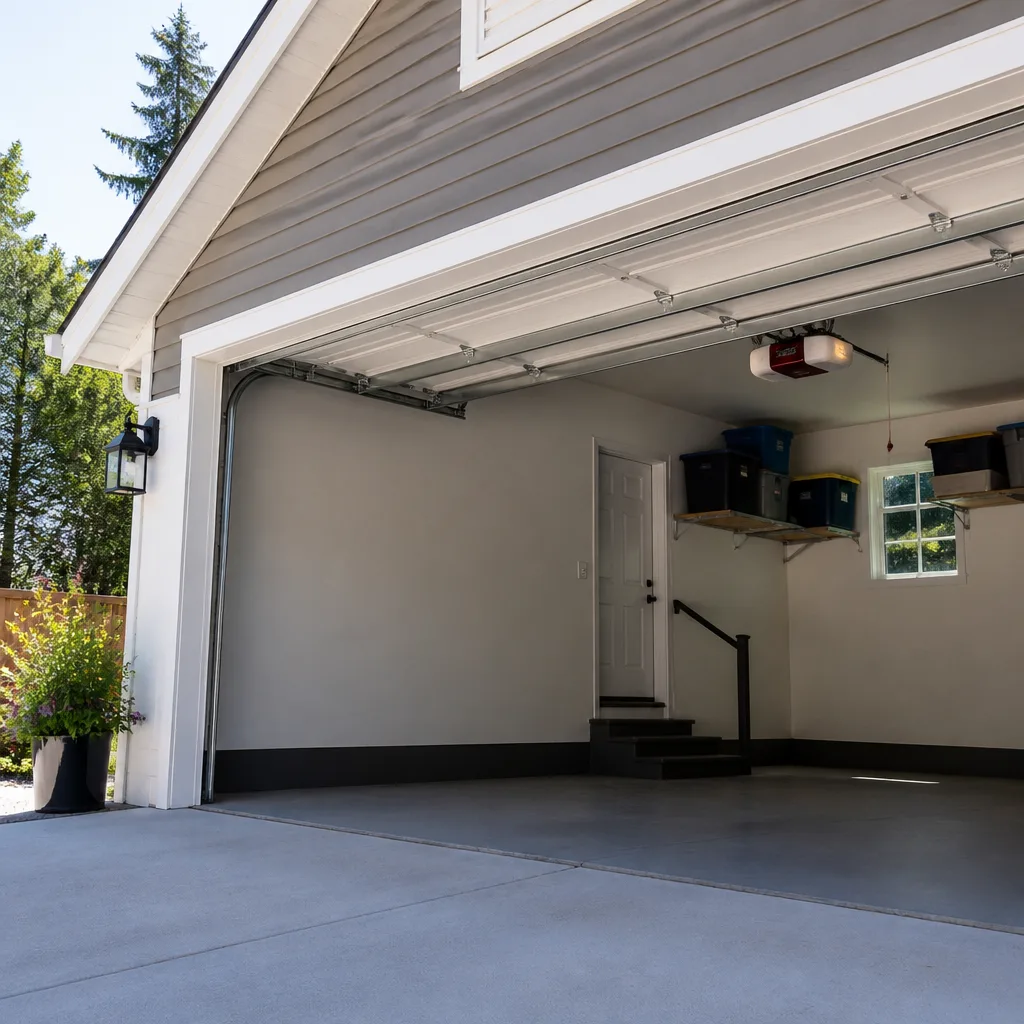 LiftMaster openers
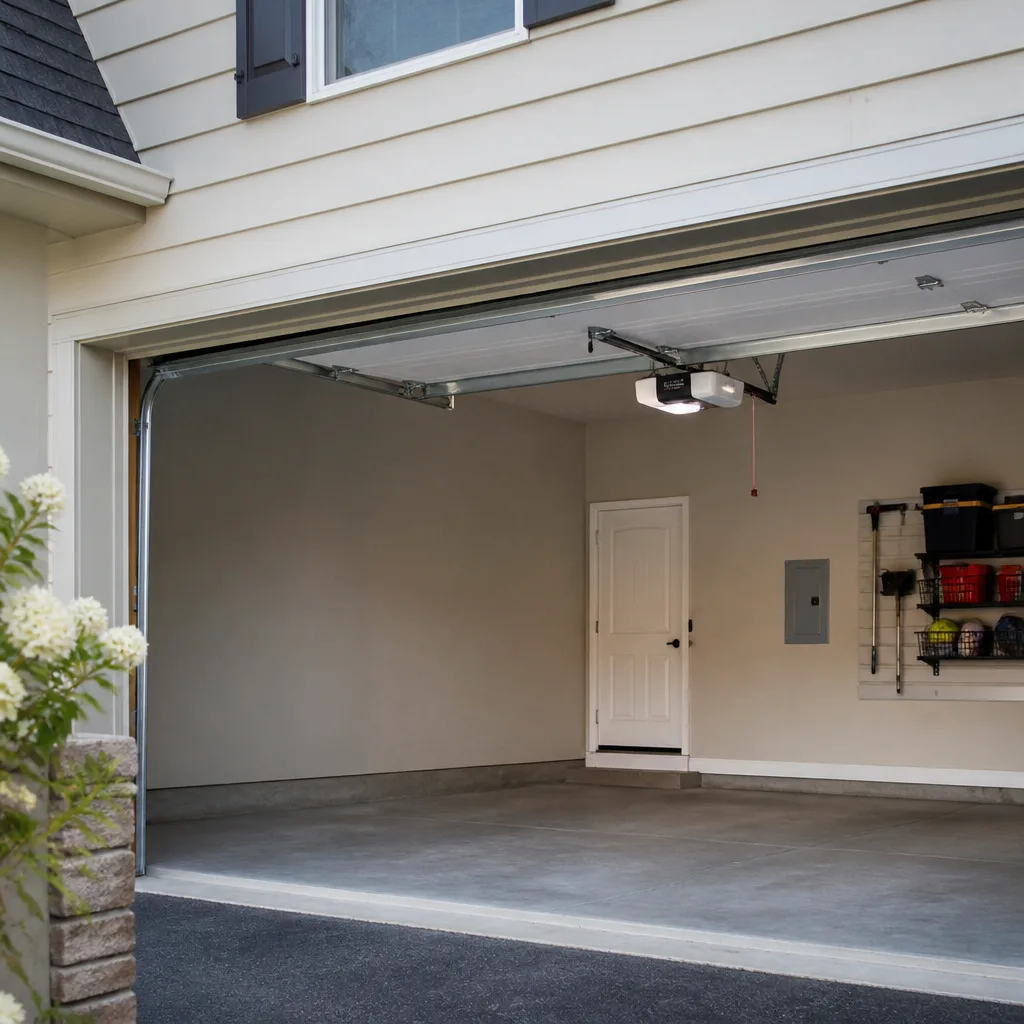 Chamberlain openers
Full 25-point door and opener safety check with every visit - springs, cables, rollers, tracks, and your LiftMaster or Chamberlain opener included
You get a price before we start. It does not change when the pro arrives.
Get your free estimateGarage Door Cost Breakdown: The Wakefield Homeowner’s Reference for 2026
That garage door quote you found online rarely survives contact with Wakefield. A $1,400 installed figure for a $800 baseline door is possible once the realities of the New York metro market, the age of nearby housing stock, and the layout of your actual garage get factored in. The national guides don’t include the things that reliably move local prices. This reference does. You’ll find 2026 price bands for springs, cables, openers, and panels, the quiet costs that push estimates upward in Wakefield, and a repair-versus-replace break-even calculation you can actually apply to your own door.
Styles & brands we work with
- Raised-panel steel
- Carriage house
- Modern flush
- Full-view glass
- LiftMaster openers
- Chamberlain openers
Quick Answer
A typical garage door repair in Wakefield runs $180 to $750 in 2026. Full door replacement usually lands between $1,400 and $4,900 installed. Spring repair sits at $190 to $340 for one spring, and opener replacement runs $340 to $780 including labor. The written estimate you approve is the price, and the price is agreed before work starts.
Table of Contents
- Why Wakefield Garage Door Pricing Runs Above National Benchmarks
- What Drives Labor Cost in the NYC Metro (and What You Can Negotiate)
- Component Cost Ranges for 2026
- Hidden Cost Multipliers Around Wakefield
- Repair vs. Replace: The Break-Even Math That Actually Works
- What Full Installation Costs in Wakefield
- How to Read Two Competing Quotes
- Common Mistakes to Avoid
- When to Call a Professional
- Frequently Asked Questions
- The Bottom Line
Why Wakefield Garage Door Pricing Runs Above National Benchmarks
Garage door work in the Wakefield and Bronx market typically lands 15 to 25 percent above national averages. That gap isn’t padding. It comes from three structural realities of working in a densely built part of New York City, and every one of them shows up in your invoice whether you see it broken out or not.
The first is labor. Wage rates for skilled trades across the metro are simply higher than for the same technician working in a rural county or a Midwest suburb. A truck roll here also takes longer per job: narrower streets, double-parked work, and buildings where the garage sits behind a shared driveway all eat into a crew’s day. When a company can complete fewer jobs per shift, the price per job reflects that.
The second is access. Many Wakefield garages weren’t laid out with a modern service call in mind. A low ceiling under a finished room, a tight door jamb, a garage opening onto an alley with limited turning space: each of those turns a routine job into one requiring extra setup. A national benchmark pricing guide assumes a clean, open, easy-access garage. That describes some homes here and not others.
The third is disposal and permits. Old doors, bent panels, and worn torsion springs have to leave your property and go somewhere, and the metro charges accordingly. Where a permit or inspection applies, that cost travels with the job too. Most cities require a permit for structural changes and some installations, so ask your city’s building department what applies to your project.
None of this means prices here are unreasonable. It means the number you’re quoted reflects the reality of the market you actually live in, not a national average assembled from cheaper labor markets. Knowing why the number is what it is helps you evaluate it fairly. When you need garage door repair, ask for a breakdown; a professional can tell you which lines are labor, which are parts, and which are pass-through costs.
What Drives Labor Cost in the NYC Metro (and What You Can Negotiate)
Labor in garage door work isn’t one number; it’s a set of line items that a good estimate separates out. Understanding them puts you in a much stronger position at the table.
Line items that make up a typical Wakefield labor charge
- Call time and travel. Getting a technicians to a Wakefield address, including loading for the specific brand and door type you own, is time you pay for indirectly on every quote.
- Diagnosis time. Diagnosing a stuck door, a misaligned track, or a failed opener is a skill, not a glance. Technicians familiar with Clopay, Amarr, Wayne Dalton, and Craftsman systems spend less time guessing at the cause, which is one reason brand familiarity matters to your bill.
- Actual repair time. Spring replacements, track re-alignment, and cable swaps vary widely in time depending on the door’s configuration and headroom.
- Access setup and breakdown. Ladders, work lights, protective floor coverings, and re-clearing the garage bay all take time. In a tight Wakefield two-car garage, setup alone can approach the length of the repair itself.
- Cleanup and haul-away. Removing old hardware and disposing of spent springs or panels is part of a certified job, not a courtesy.
What’s fixed and what’s negotiable
Some costs you cannot move. Permit fees, disposal surcharges, and brand-specific part prices are fixed by outside factors. Others have room. The type and tier of replacement parts is a genuine choice: a basic torsion spring and a high-cycle upgraded spring solve the same problem but wear at different rates and carry different price tags. Scheduling flexibility matters too. A non-urgent install can be booked during a period with less demand. What you can always negotiate is scope clarity: if you ask for an itemized scope in writing before work begins, you’re in a better position to confirm you’re getting what you’re paying for.
One thing that isn’t negotiable is safety. Garage door springs and cables store enormous mechanical energy. A trained technician handles that safely, and a shortcut on the spring side is never worth the savings. Our technicians have up to 11 years of experience, and we treat spring work as a dedicated service rather than a job to hand to whoever’s closest.
Component Cost Ranges for 2026
Here’s the lay of the land by component. Every figure below is a typical estimate for Wakefield and the surrounding Bronx market. Your written quote sets the final price once the specific door, brand, and access conditions are seen.
Springs
- One torsion or extension spring, standard cycle: $190 to $340 installed.
- High-cycle spring, one spring: $240 to $400 installed.
- Matched pair, replaced together: roughly twice the single-spring figure, since a pair is two springs. Most technicians recommend replacing both at once so the second spring doesn’t fail shortly after the first.
Springs are the most safety-critical component in the system. They’re also the repair we treat as a dedicated service. Don’t attempt spring work yourself; the stored energy can cause serious injury.
Cables
- Single cable replacement: $120 to $220 installed.
- Both cables as a pair: $190 to $340 installed.
Cables work alongside the springs and snap under load in the same way. If one goes, the other has usually absorbed extra stress, which is why pairs get replaced together.
Openers
- Basic chain-drive opener, unit and labor: $340 to $520.
- Belt-drive opener, quieter operation: $420 to $640.
- Screw-drive opener: $380 to $580.
- Smart opener with app control: $480 to $780.
Brand matters. LiftMaster, Chamberlain, Genie, and Craftsman units dominate the market, and swapping to a known brand keeps future parts and repairs straightforward. If your existing opener just needs a sensor re-alignment or a logic board, garage door opener repair is usually the smarter spend than a full swap.
Panels and sections
- Single steel panel section, standard gauge: $180 to $380 installed.
- Insulated panel section: $260 to $520 installed.
- Full door panel set (four or five sections): $700 to $1,900 depending on style and insulation.
For a partial replacement, brand matching is everything. Clopay and Amarr both publish section profiles that a technician uses to confirm a new section lines up with the existing door. Off-brand panel substitutions are where mismatched aesthetics and uneven weight distribution start.
Track and rollers
- Roller replacement (set): $80 to $180.
- Track repair or partial realignment: $120 to $280.
- Full track replacement: $280 to $540.
Hidden Cost Multipliers Around Wakefield
This is the part most cost guides skip. In a dense urban market like Wakefield, several local factors can add to the final number in ways that are entirely reasonable if you know to expect them.
Parking and access surcharges
Garage door work needs a truck parked close, room for ladders, and clear access to the door face. In Wakefield neighborhoods where driveways are narrow or garages open onto a shared or restricted street, a crew needs extra time and sometimes a second parking maneuver. That time is real. A quote that includes an access line item is a quote being honest about the job, not one padding it.
Disposal fees
Old doors, sagging panels, broken springs, and worn openers all have to be removed and disposed of. The metro’s disposal costs are higher than rural benchmarks, and hauling away a full steel door section takes a truck with the right capacity. This is a pass-through cost, but expect it to appear on a complete estimate.
Low-headroom and custom-fit premiums
Many Wakefield garages, particularly those built or finished decades ago, weren’t designed for today’s standard door hardware. A low ceiling can require a low-headroom conversion kit to let the door travel properly. A custom-width opening or an unusual architectural header requires custom hardware. Either adds the custom-fit premium, and it’s common in this area. If your install quote doesn’t ask about headroom, it may be planning a standard install for a home that doesn’t have standard clearance.
Weather-related wear
Snowmelt, road salt tracked into the garage, and freeze-thaw cycles put stress on metal hardware and door seals each year. That wear shows up as worn rollers, sticky tracks, and fatigued springs that reach the end of their life a bit faster than in milder climates. It’s a maintenance factor, not a defect, but it does shape how often components get replaced.
Older housing stock
Much of the Wakefield housing was built with tighter tolerances and smaller garages than new construction. A job that requires trimming a track or adjusting hardware to fit an irregular opening takes more time than matching one pre-fabricated panel to a modern frame. Factor that into your expectations for any repair on an older Wakefield home.
Repair vs. Replace: The Break-Even Math That Actually Works
“If it costs more than half a new door, replace it” gets repeated constantly, and it’s usually the wrong comparison. Here’s a calculation you can actually use.
Step-by-step break-even comparison
- Get the total repair estimate. Include parts, labor, disposal, and any access surcharge. That’s your repair spend.
- Get the installed replacement estimate. Include door, hardware, labor, permit if required, and disposal of the old door.
- Estimate remaining service life. Ask the technician how many years each major component has left. A door with a solid structure but a tired spring and opener may have many years left; a door with rusted panels and a bent track may not.
- Divide the repair cost by the years of life it buys. If a $500 repair keeps a door running for six more years, that’s roughly $83 a year. If a $4,000 replacement lasts decades, the annual cost is likely lower, but the upfront is much higher.
- Compare against future repair risk. If you’re facing a $600 repair and the technician tells you the panels are already showing rust-through, more repairs are likely ahead. If the only issue is one worn-out component and everything else is sound, repair is often the better spend.
When replacement genuinely makes sense
- Multiple major components have failed at once: springs, opener, and track all need work simultaneously.
- Panels are structurally compromised by rust-through or impact damage.
- You’re planning to add remote access or modern safety reversing features and the existing opener can’t support them.
- The door style has become a visual or security issue for the property.
When repair is almost always the better call
- One spring is worn, one cable has failed, or one opener has stopped responding.
- The door panels are structurally intact and the finish just needs touching up.
- The door is brand-matching a panel set from Clopay, Amarr, or similar where replacement sections are available.
If you’re unsure which side of the line you’re on, ask for both estimates, repair and replacement, in writing. That’s a standard part of a free estimate, not a special request.
What Full Installation Costs in Wakefield
Replacement is a different job from repair, and it’s a different buying process. An install is scheduled and measured, not dispatched on the day. The steps below are how a Wakefield installation generally runs.
How a full installation proceeds
- Free measure and consultation. A technician measures your opening, checks headroom and side clearance, and identifies whether a standard door or a custom-fit configuration is needed.
- Written quote and agreed price. You receive a written quote with door, hardware, labor, and disposal itemized. The price is locked in and agreed before work begins.
- Door and hardware ordered. Once you approve, the door and any custom components are ordered. Popular brands like Wayne Dalton and Clopay have standard configurations that move faster; custom sizes take longer.
- Scheduled installation. Installation is scheduled for a date that works for you.
- Old door removed and hauled away. Disposal of the old door and hardware is included in the quote.
- New door installed and tested. The technician installs the door, aligns tracks and hardware, and tests the opener and safety features before finishing.
- Walkthrough and adjustment. You confirm the door operates correctly, and any needed adjustments are made on the spot.
What installations cost in 2026
- Basic single-car steel door installed: $1,400 to $2,400, including opener where included.
- Double-car insulated door installed: $2,200 to $3,600.
- Custom-width or low-headroom configuration: $2,800 to $4,900.
- Premium carriage-house style: $3,200 to $4,900.
These are typical estimates, not fixed prices. The written quote you receive is the number that counts. When you’re ready to explore garage door installation, ask for the headroom and clearance check first; it’s the single measurement that most often changes the final number in older Wakefield homes.
How to Read Two Competing Quotes
Two quotes for the same job are never just two prices. The cheaper one is usually cheaper because it leaves something out. Here’s how to read the fine print.
Check these line items on every quote
- Disposal. Is hauling the old door or hardware away included, or is it “to be determined”? A missing disposal line is a classic way to hold down a quote total that later grows.
- Access and setup. Does the quote account for your actual garage setup, or assume standard access? If your garage is tight, the low quote may be theoretical.
- Headroom. An install quote that doesn’t mention measuring headroom is either incomplete or planning to figure it out on the day. That conversation almost always ends with a higher number.
- Parts brand and tier. “Springs replaced” tells you nothing. A quote should name the spring type or cycle rating and the brand of opener if one is being installed.
- Permit and inspection. If your project requires a permit, who handles it? Ask your city’s building department what applies, then confirm the quote addresses it.
- Labor included or hourly. A flat number with everything included is more predictable than an hourly rate without a cap.
- Warranty on parts and labor. Confirm what the warranty covers and for how long. A quote without a stated warranty is an incomplete quote.
The underbidding pattern
The underbid almost always omits one of three things: disposal, access surcharge, or parts specification. When that happens, the quote looks attractive until the technician is on site and the final invoice gains items that weren’t discussed. We work to a different rule: the written quote is the price, and any change is raised before work continues. If you hear “we’ll see what it needs when we’re there” without a written scope, ask for the scope in writing before agreeing.
Common Mistakes to Avoid
- Replacing one spring when both are worn. Replacing a single torsion spring while its pair is nearly the same age means the second spring fails shortly after, and the second visit costs almost as much as the pair would have together. Replace matched pairs unless the technician confirms otherwise.
- Assuming a national quote applies in Wakefield. Labor and disposal costs in the metro are 15 to 25 percent above national averages, and any quote built on a national benchmark will usually grow once the job is assessed. Ask for a local estimate built on what’s actually in your garage.
- Skipping the headroom check on a new install. A quote that doesn’t ask about ceiling height and side clearance in an older Wakefield garage can end up over budget once the low-headroom kit is added. Get the check before you order.
- Choosing a quote by price alone. A quote that’s several hundred dollar cheaper than the next one is usually missing a line item. Compare scope, not just totals.
- Trying spring or cable repair yourself. This is the one mistake on this list that can cause serious injury. Torsion springs and tensioned cables store energy that can cause harm even when the door looks still. This work needs a trained technician.
- Ignoring a minor opener issue. A sensor that needs re-alignment or a track that’s slightly off is far cheaper to fix now than after it stresses the opener motor.
- Not asking about warranty before work begins. Warranty terms vary. Ask before the job, not after, and make sure the coverage is on the written quote.
When to Call a Professional
Some garage door issues are genuinely a job for a trained technician, and some can wait for a scheduled appointment. The difference matters for both your safety and your wallet.
Call straight away for a snapped or slack spring, a door that’s dropped suddenly, a cable that’s come off or curled, a door stuck open or closed, or any grinding or scraping accompanied by a misaligned track. These are the situations where an unsecured door or a loaded spring can cause injury in a matter of seconds. Emergency garage door service exists exactly for these cases, and it’s a standing offering rather than an upsell.
For an opener that isn’t responding, a sensor that triggers constantly, a door that’s become noisy or hard to move, or an install you’re planning, a scheduled call is the right approach. Those don’t need urgent response, but they do need a technician who knows your brand. Wakefield Garage Door Repair Pros offers free estimates in Wakefield; call (844) 459-6133.
Frequently Asked Questions
Spring repair in Wakefield typically runs $190 to $340 for a single spring and roughly double that for a matched pair. The price depends on spring type, cycle rating, and whether access requires extra setup. Call (844) 459-6133 for an exact quote; estimates are free.
For emergencies like a snapped spring, a door off its track, or a door stuck open, we can often respond the same day. Call (844) 459-6133 and describe the issue so we can confirm availability. For installations and full replacements, the process is a scheduled measure and install, not a same-day dispatch.
No, the price is quoted and agreed in writing before any work starts. If the technician discovers something that genuinely changes the scope, like a track that needs replacement in addition to the spring, that’s raised with you before anything further is done. There are no surprise additions at the end.
The local professionals we connect you with are state-licensed and insured as New York requires for their trade. We can confirm those details before work begins. Call (844) 459-6133 with any questions about credentials before you book.
Wakefield and the surrounding Bronx market typically run 15 to 25 percent above national averages because of higher skilled labor rates, denser parking and access constraints, and metro disposal fees. An online quote built on a national benchmark won’t include those, which is why the number grows once the job is assessed on site. A local written quote accounts for them upfront.
We work on LiftMaster, Chamberlain, Genie, Clopay, Amarr, Wayne Dalton, Craftsman, and Raynor equipment. Being familiar with all eight brands means diagnosis goes faster and part sourcing is more straightforward, especially when panel matching or opener compatibility matters. If you’re unsure what brand you have, call (844) 459-6133 and a technician can help identify it.
The Bottom Line
Garage door costs in Wakefield for 2026 break down into predictable ranges: $180 to $750 for a repair, $190 to $340 for one spring, $340 to $780 for an opener, and $1,400 to $4,900 for a full install. Wakefield pricing runs 15 to 25 percent above national averages because of metro labor rates, access constraints, and disposal costs. Matched spring pairs cost twice a single spring. The repair-versus-replace decision comes down to comparing dollars spent against years of service gained, not a fixed percentage rule. And when two quotes are on the table, compare the line items, not just the totals.
Whether it’s a snapped spring, a failing opener, or a full replacement, Wakefield Garage Door Repair Pros is a garage door specialist, not a general contractor with a side business. One call covers springs, openers, panels, and installation. Call (844) 459-6133 for a free estimate and get the written quote in hand before you commit.
Written by the team at Wakefield Garage Door Repair Pros.
See the difference
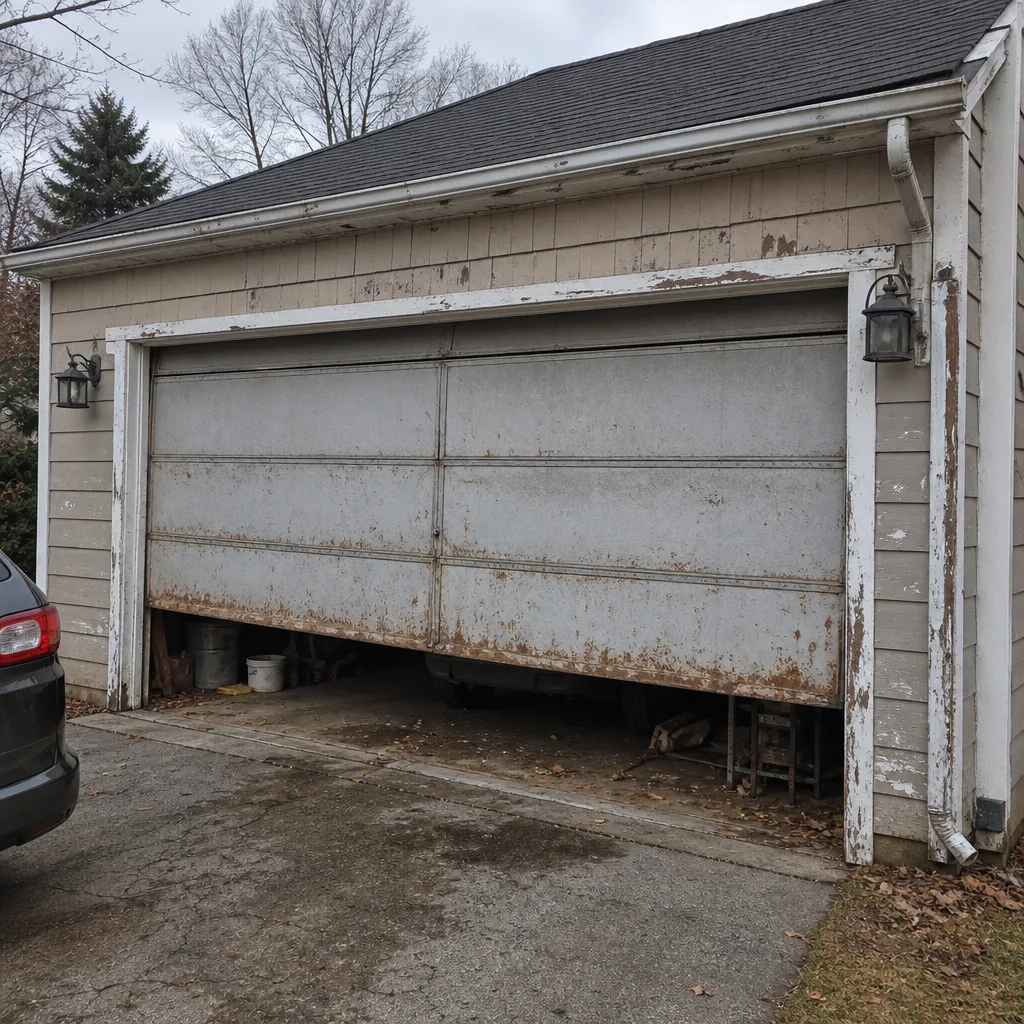 Before
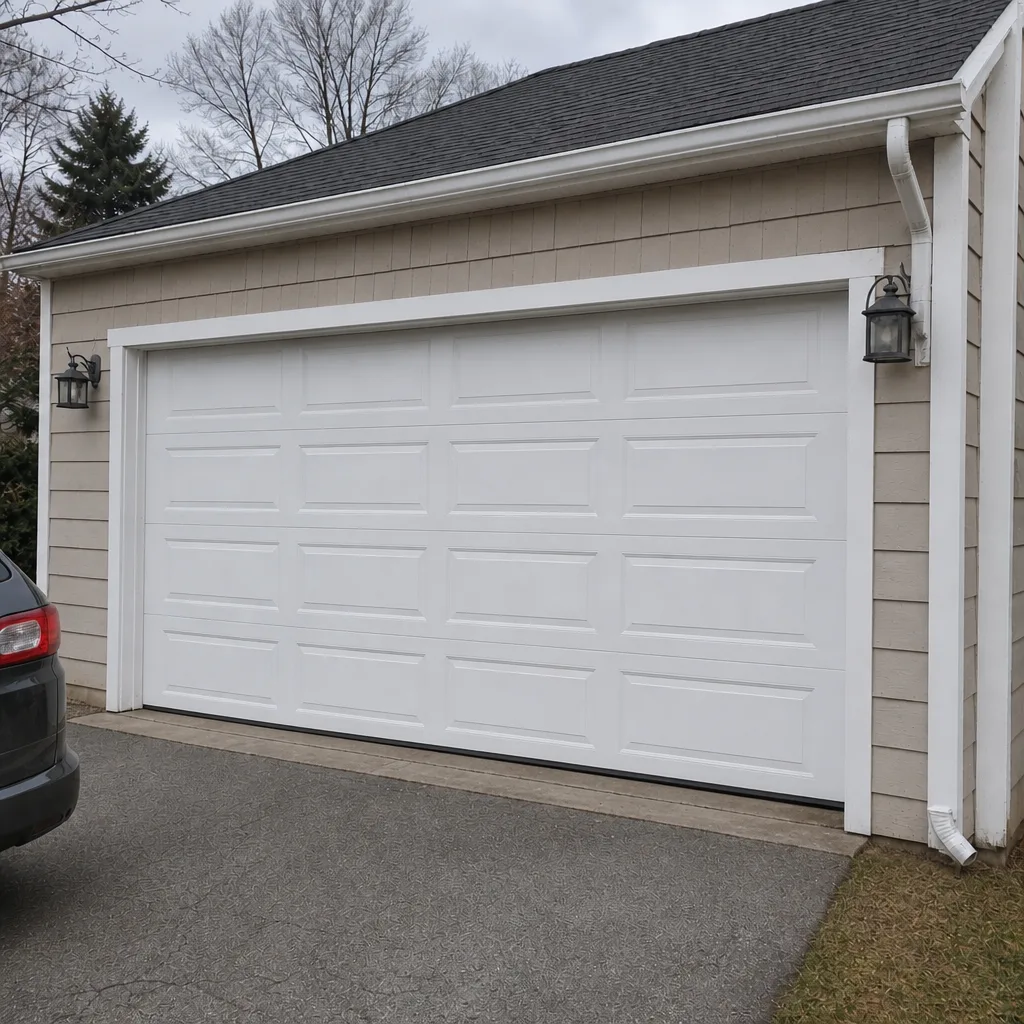 After
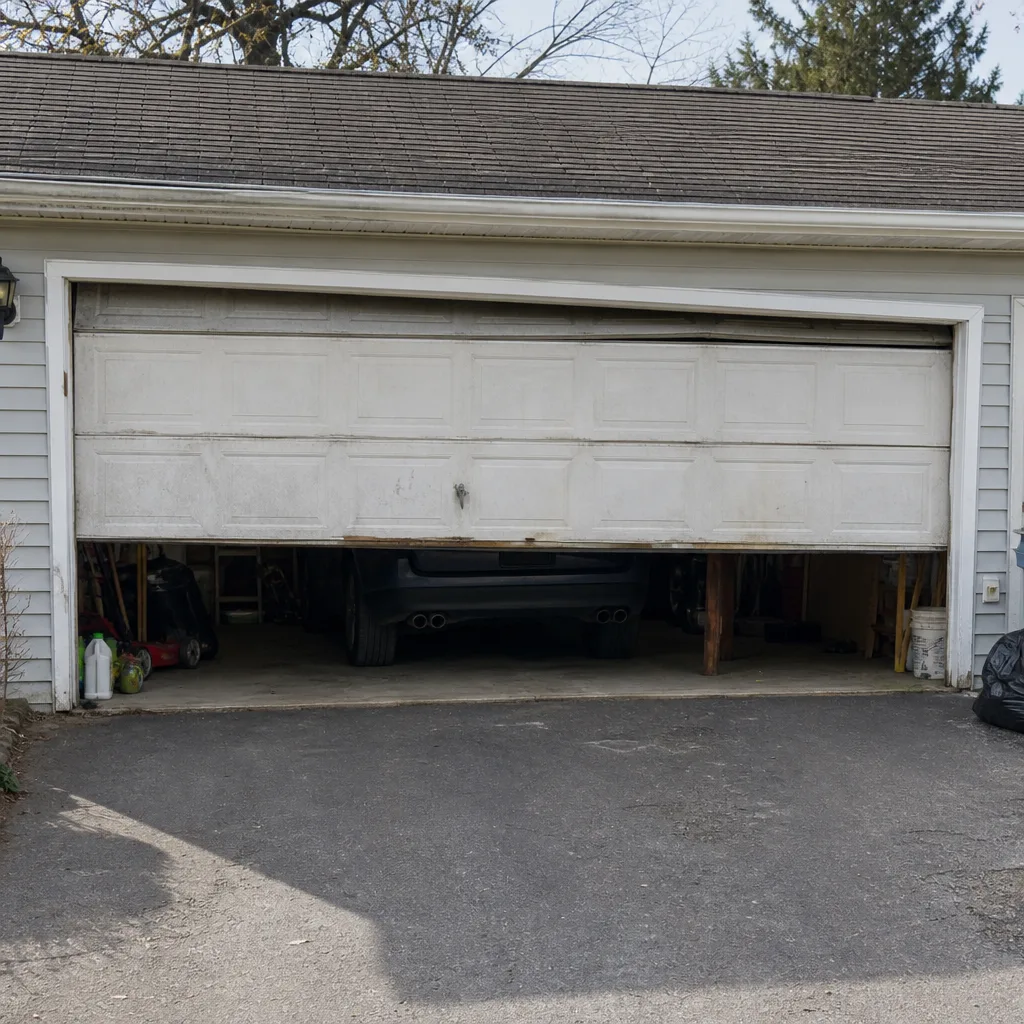 Before
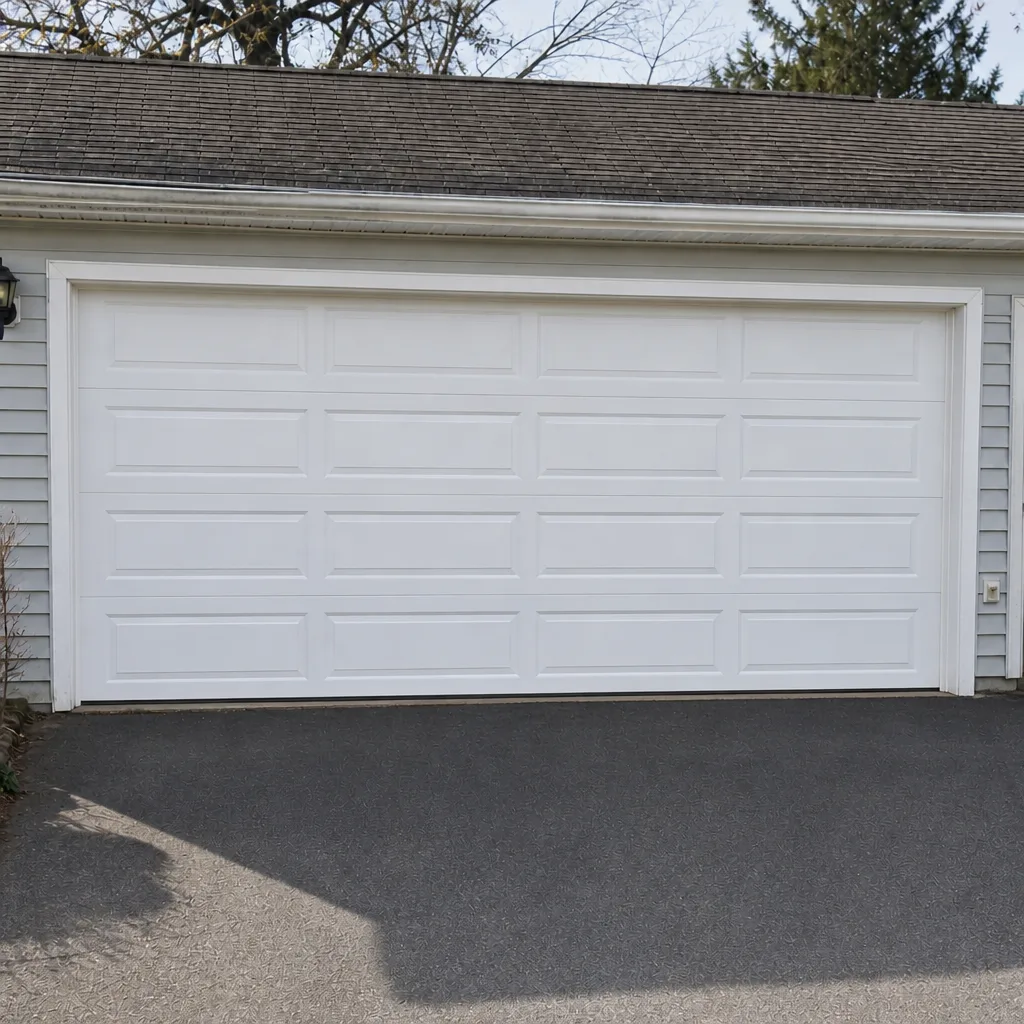 After
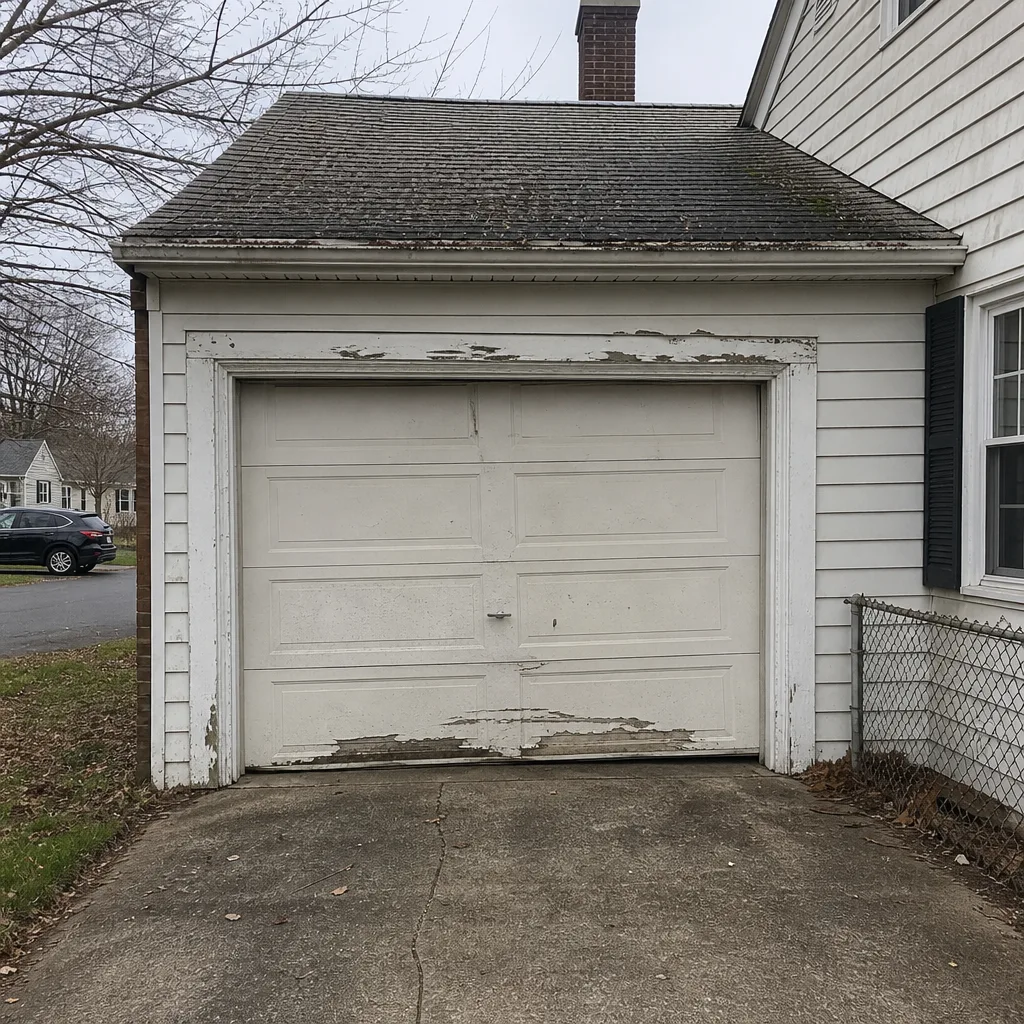 Before
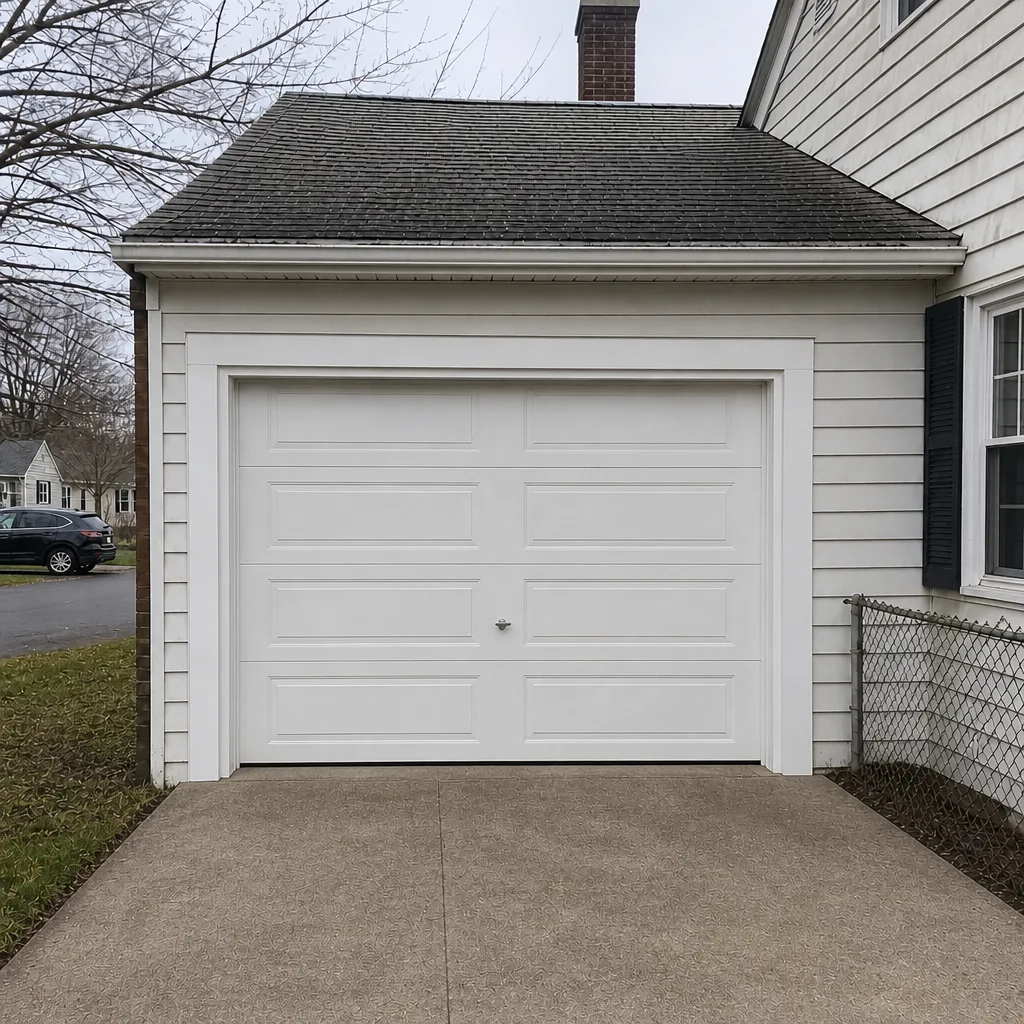 After