Last updated November 21, 2026
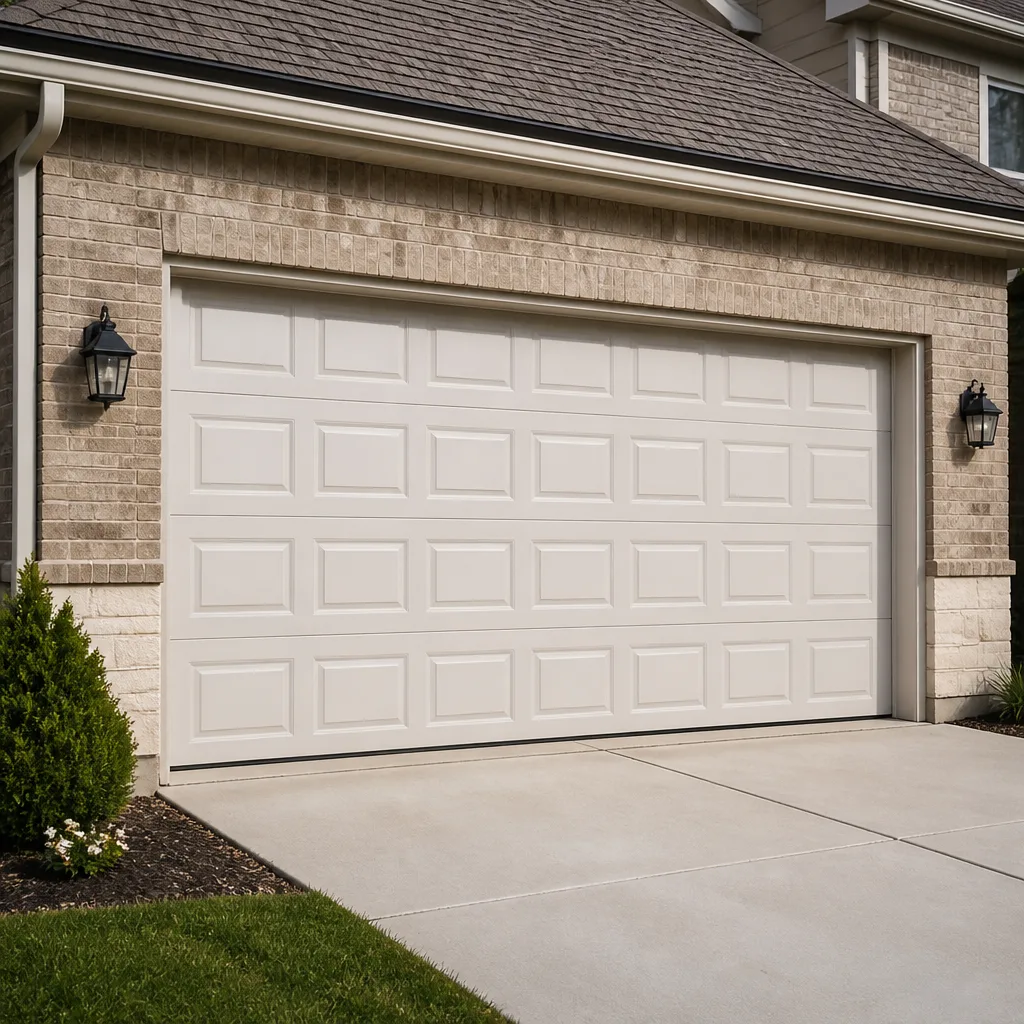 Raised-panel steel
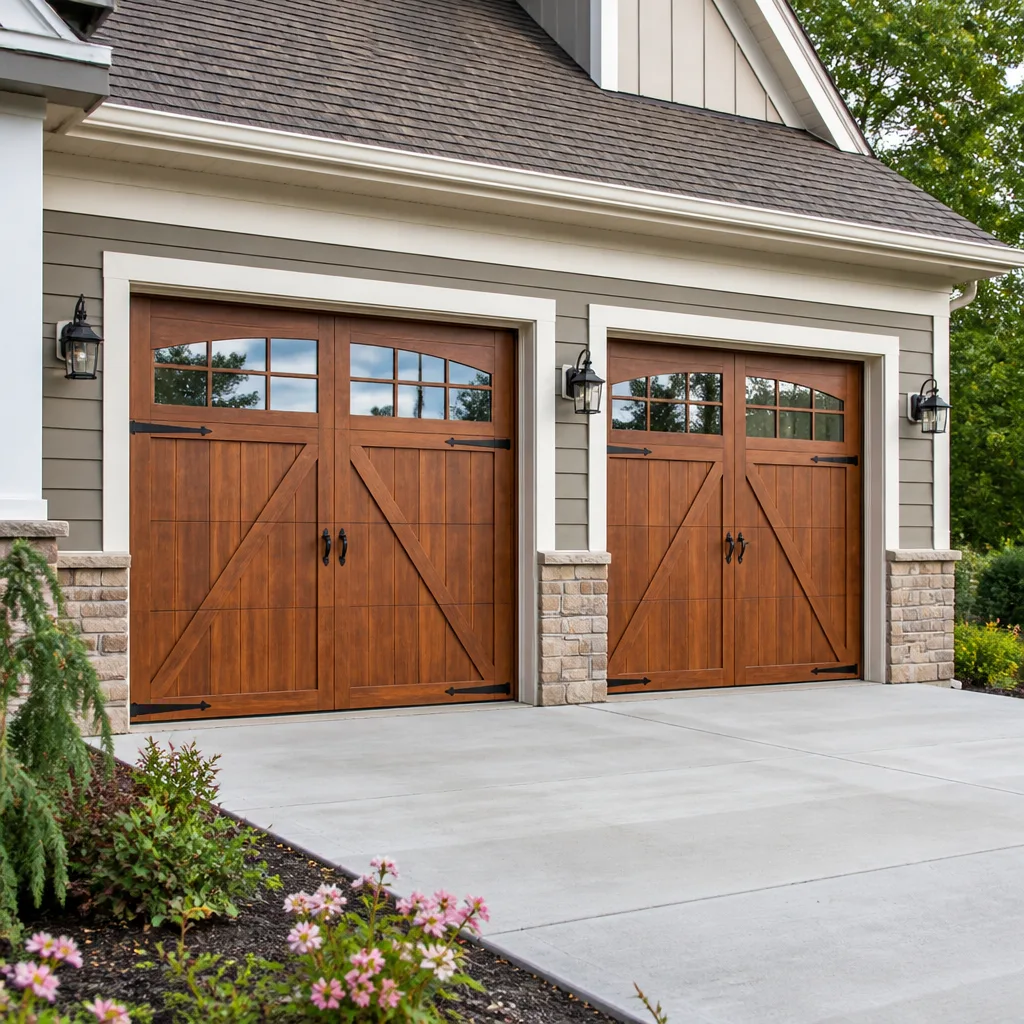 Carriage house
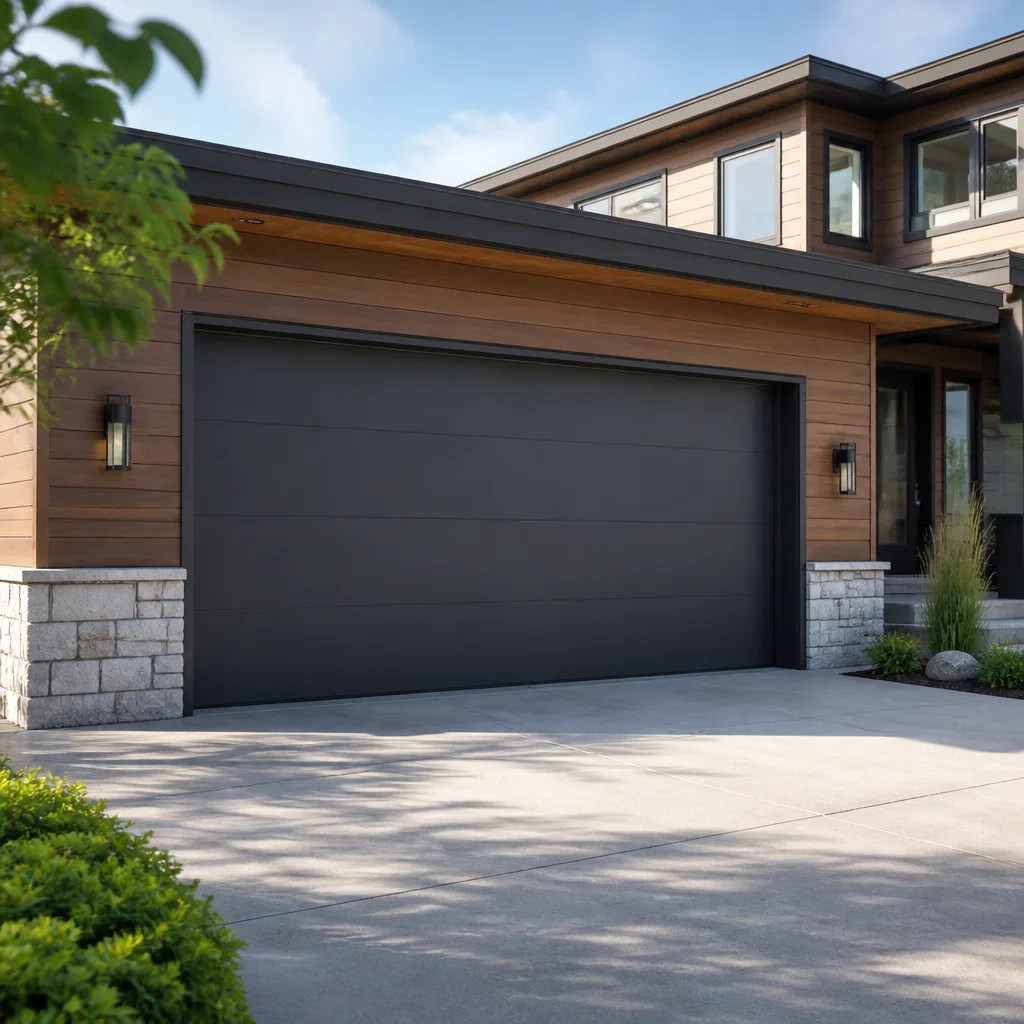 Modern flush
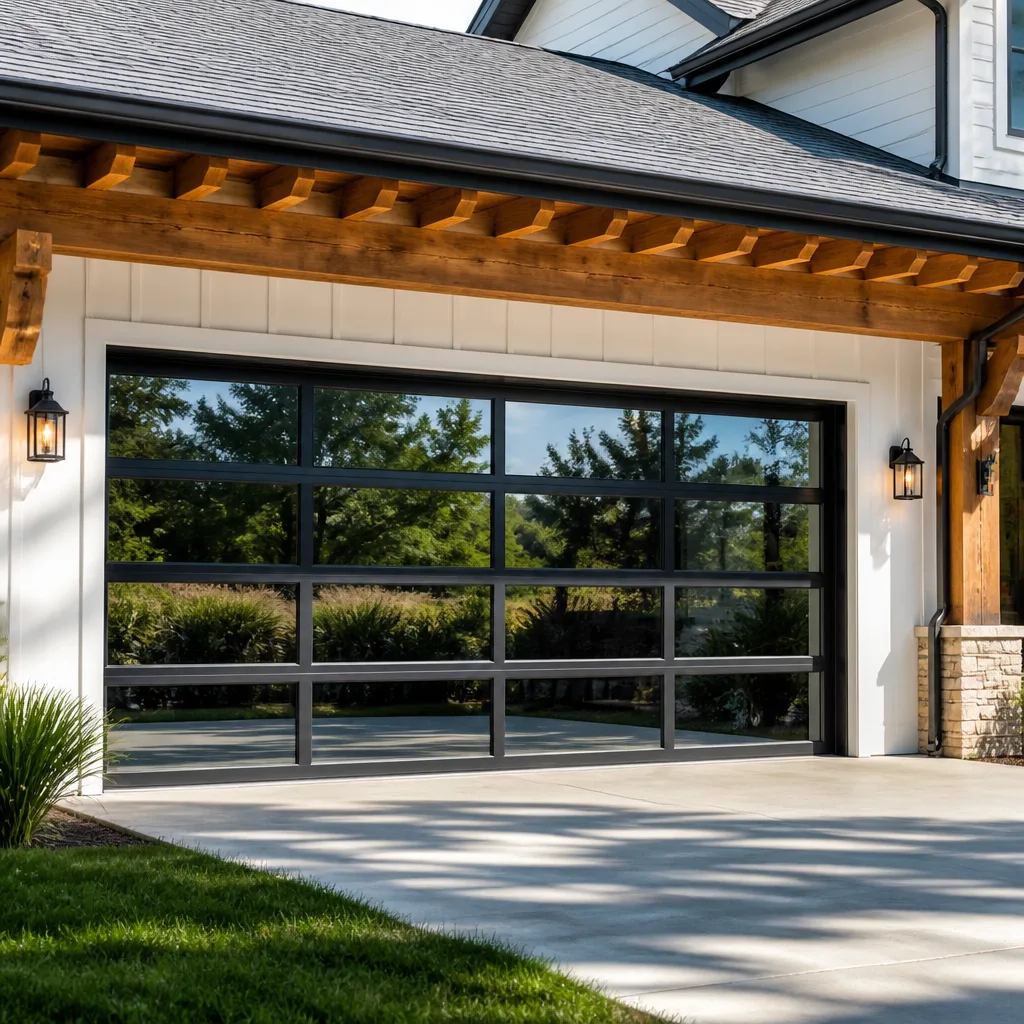 Full-view glass
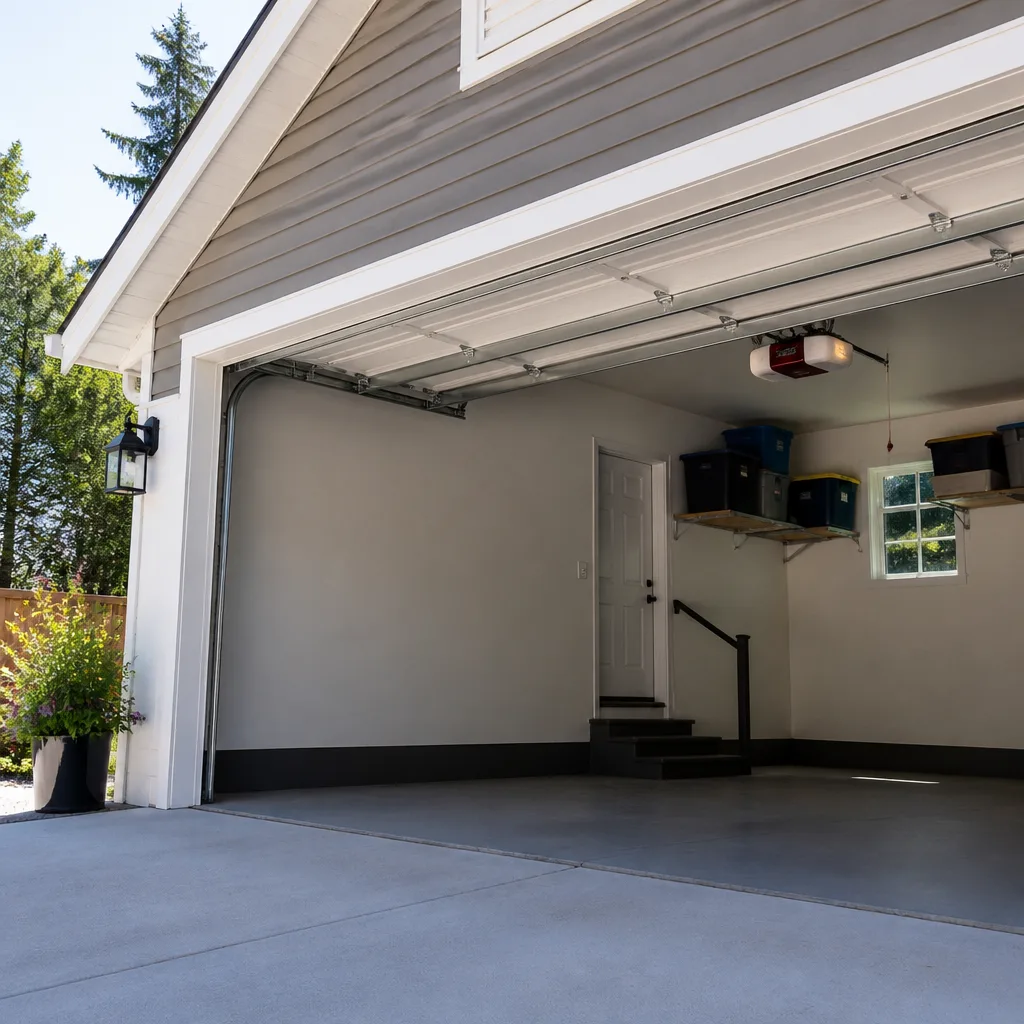 LiftMaster openers
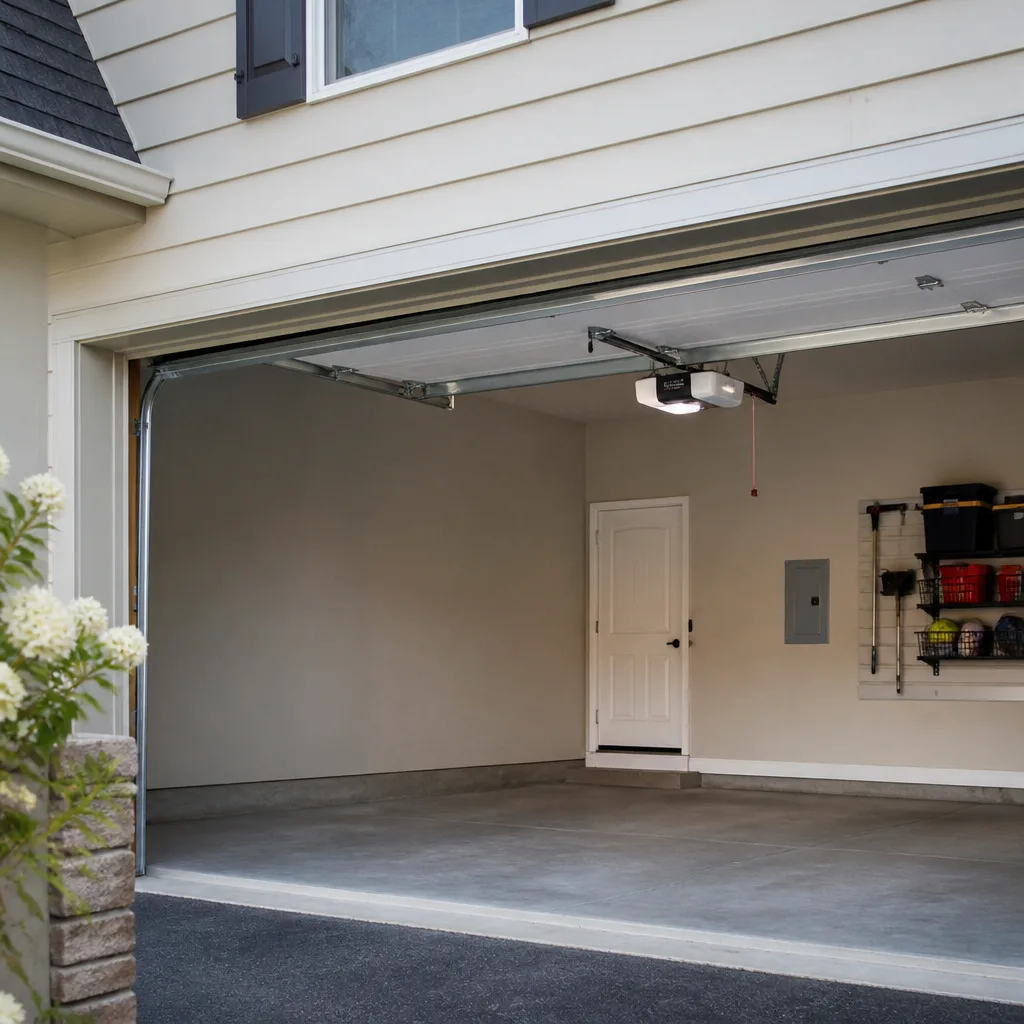 Chamberlain openers
Full 25-point door and opener safety check with every visit - springs, cables, rollers, tracks, and your LiftMaster or Chamberlain opener included
You get a price before we start. It does not change when the pro arrives.
Get your free estimateSeasonal Garage Door Care for Wakefield: Year-Round Homeowner’s Guide
Most garage door advice assumes a tidy four-season calendar: tune it up in spring, button it down in fall, forget it the rest of the year. Wakefield doesn’t cooperate with that schedule. Our freeze-thaw cycles land hardest in late winter, not on the coldest night of the year, and the humidity that settles over the area in July stresses wood and hardware in ways a fall checklist never catches. A door that passes a May inspection can still be one hard cold snap from a snapped spring or a track that’s jumped its gap. This guide walks through what actually fails here, season by season, and gives you a realistic picture of what you can check yourself, what you should leave alone, and how to call a technician who already knows your brand.
Styles & brands we work with
- Raised-panel steel
- Carriage house
- Modern flush
- Full-view glass
- LiftMaster openers
- Chamberlain openers
Quick Answer
Seasonal garage door maintenance in Wakefield means working around freeze-thaw swings in late winter, humidity in summer, and the cold-weather failures (thickened grease, compressed seals, sensor drift) that show up in fall and stick around all winter. The single most useful habit is a short visual and operational check every six to eight weeks, plus a manual release test before cold weather makes a power outage urgent.
Table of Contents
- Why Wakefield Needs a Different Seasonal Schedule
- Late Winter: The Freeze-Thaw Window That Breaks Seals and Tracks
- Spring: Recovering From Winter and Prepping for Humidity
- Summer: Humidity, Wood Panels, and Swelling Gaps
- Fall: The Prep That Actually Prevents Cold-Weather Failures
- Winter: The Manual Release Test Most Homeowners Skip
- Spring Tension: What You Can Adjust and What You Can’t
- Brand-Specific Care Notes: Craftsman, Raynor, LiftMaster, Chamberlain
- Common Mistakes to Avoid
- When to Call a Professional
- Frequently Asked Questions
- The Bottom Line
Why Wakefield Needs a Different Seasonal Schedule
The conventional wisdom is that garage doors fail in the dead of winter. In our experience working on Wakefield doors, that’s not quite right. The failure window opens earlier, when the thermometer swings hard between freezing nights and mild afternoons during late February and March. Metal track expands with each warm afternoon and contracts again overnight. That repeated cycling loosens fasteners, opens gaps at the frame, and pushes weather seals past the point where they can recover their shape. By the time April arrives, a door that looked fine in January is sitting crooked in a track that no longer wants to close cleanly.
Wakefield’s summer adds a second stressor the standard fall-checklist advice ignores. Humidity in July pushes wood panels to swell, and the gaps that open at panel joints are your best early signal of whether a door needs a cosmetic touch-up or structural attention. Treating those gaps as purely a paint problem is one of the most common mistakes we see.
What that means for scheduling:
- Late winter (late February through March): the highest-risk window for seals, tracks, and fasteners.
- Late spring: the right time to catch and correct winter damage before summer humidity locks it in.
- Late summer: the best window to inspect wood panels before cold weather makes cracks worse.
- Fall: the prep window for grease, seals, and sensor calibration.
- Winter: operational checks, not just visual ones.
If you only do one inspection a year, put it at the end of winter, not the start of it. That’s when the damage is most visible and least expensive to correct. If you’re already seeing a door that’s off its track or grinding, our garage door repair team can take a look and tell you exactly what’s wrong.
Late Winter: The Freeze-Thaw Window That Breaks Seals and Tracks
Two components take the brunt of Wakefield’s late-winter freeze-thaw cycling: the bottom weather seal and the vertical track. The bottom seal is a rubber or vinyl strip that compresses against the floor when the door closes. In freezing temperatures, rubber stiffens and loses elasticity. When the door closes repeatedly on a stiff seal against a cold floor, the seal takes a set and stops recovering. You’ll notice gaps of light under the door, drafts, and a seal that looks permanently flattened even on warm days.
Track misalignment happens differently. Vertical track is anchored to the door frame with lag bolts or screws. Freeze-thaw cycling works those fasteners loose and moves the wood framing itself. When the frame shifts, the track follows. A track that’s out by a quarter-inch is enough to make a door bind, hesitate, or drag. If you hear a scraping or grinding sound in late winter, this is usually why.
What to check at the end of winter:
- Look for light under the closed door. A thin line of daylight along the bottom edge means the seal is compressed or has pulled away from its retainer.
- Run your hand along the bottom seal. It should feel pliable, not stiff or cracked. Cracks that go through the seal mean it’s ready for replacement.
- Watch the door travel. Stand back and watch the door go up and down. It should move smoothly and evenly. Any hesitation, wobble, or scraping is a sign of track misalignment.
- Look at the track itself. A straight edge held against the vertical track should sit flat. A visible gap means the track has moved.
- Check the lag bolts. Loose bolts above or beside the track are a clear sign the frame has moved with the freeze-thaw cycle.
Bottom seal replacement is a straightforward job you can often handle yourself with the right part. Track realignment is not – a track that’s been pushed off true needs to be reset against the door frame, and forcing it back into place can crack the track or worsen the misalignment. If you’re seeing the signs above, that’s the moment to call for a professional look before the next cold snap makes things worse.
Safety note: never try to realign a track while the door is under spring tension. The springs are what make the door safe to move by hand, and they store enormous energy. Track work is done with the door closed and the springs relieved, which is a job for a trained technician. If your door is stuck or off its track right now, our Wakefield Garage Door Repair Pros team handles emergency calls for exactly this situation.
Spring: Recovering From Winter and Prepping for Humidity
Spring is your correction window. Everything the freeze-thaw cycle loosened, bent, or wore out in late winter is still visible in April and May, and fixing it now means the door goes into summer humidity in good alignment. That matters more than it sounds, because a door that’s already binding will swell further once wood panels pick up moisture, and the summer heat will make the problem harder to correct.
Here’s how a spring maintenance pass should go:
- Inspect and replace the bottom seal if it’s cracked, stiff, or not making contact with the floor.
- Check the vertical and horizontal tracks for alignment and tight fasteners. Don’t force anything.
- Lubricate the moving parts – rollers, hinges, and springs – with a garage-door-specific lubricant, not general-purpose oil or WD-40.
- Test the balance. Disconnect the opener (pull the manual release), lift the door halfway, and let it go. A properly balanced door holds its position. A door that drops or rises on its own needs spring attention.
- Test the auto-reverse safety feature. Place a 2×4 flat on the floor under the door and close it. The door should reverse when it touches the board. If it doesn’t, the opener needs service.
- Wash and inspect the panels. Look at the panel joints. Small cracks at the joints in spring become larger cracks by August.
The balance test is the most informative thing you can do yourself. If the door won’t hold its position, stop there and call for garage door opener repair or a spring specialist – the balance issue is likely in the springs, not the opener, and a falling door is a real hazard.
Summer: Humidity, Wood Panels, and Swelling Gaps
Wakefield’s summer humidity is the hardest test a wood garage door faces all year. Wood absorbs moisture from the air, and when it absorbs, it swells. Panels that fit flush in April can bind against their frames in July, and gaps that were tight in spring can open as the wood dries again in August. The trick is knowing which gaps are cosmetic and which are structural.
Here’s the distinction we use:
- Cosmetic gaps are small (a sixteenth of an inch or less), open and close with humidity, and appear along the top or side of panels without any sign of movement at the joints. These are normal wood behavior and usually just need a paint or sealant touch-up before fall.
- Structural gaps are larger, don’t close when humidity drops, or show up with the panel actually offset from its neighbor. These mean the panel has separated from its frame or hinge, and they won’t correct themselves when the air dries.
What to check in summer:
- Look at the corners of the door and the panel joints. Run a fingertip along the joints. If the gap is consistent and small, it’s normal. If the panel is offset from its neighbor, the joint has moved.
- Look at the paint. Peeling paint at panel joints lets in more moisture, which makes swelling worse next summer.
- Test the door’s operation on a hot afternoon. If the door binds in the afternoon and frees up in the evening, that’s humidity swelling at work, and it’s a sign the door needs adjustment.
- Check the weather stripping at the top and sides. Dry summer air can pull it away from the wood.
If the door binds, adjust the opener’s travel limits slightly, but don’t force it. A door that won’t close in July will likely need a technician’s attention to relieve the binding at the track or adjust the spring tension. Don’t try to solve a humidity-binding problem by shortening the opener’s travel – you’ll just create a fit problem next spring.
Wood doors in Wakefield benefit from a fresh coat of exterior-grade paint or sealant every few years. That’s the single best thing you can do to prevent summer swelling from becoming structural damage.
Fall: The Prep That Actually Prevents Cold-Weather Failures
Most fall garage door advice is vague. “Check the seals.” “Lubricate the moving parts.” What actually fails in the first cold snap of a Wakefield winter comes down to three specific things: thickened grease, compressed weather seals, and auto-reverse sensor calibration drift. Each is fixable in October and expensive in January.
Thickened grease. The lubricant on your rollers, hinges, and torsion springs is formulated to work in a range of temperatures. Below freezing, thin oil becomes viscous, and rollers start to drag. If you applied general-purpose oil in spring, replace it in fall with a garage-door-specific low-temperature lubricant. A quick way to check: in cold weather, the door should sound the same as in warm weather. A door that suddenly sounds louder or slower in the cold is telling you the lubricant has thickened.
Weather seal compression. The bottom seal compresses hardest in cold weather because the rubber stiffens. Before the cold arrives, check that the seal is making full contact with the floor along its entire length. If there are gaps, replace the seal in October. Doing this in January, when the door is frozen to the floor and the seal is stiff, is much harder.
Auto-reverse sensor calibration drift. The safety sensors at the bottom of your door’s track are small photo-eye sensors that send a beam across the opening. Dust, cold, and slight alignment drift can cause them to lose their signal. Test them in fall: close the door, and watch for the closing door to reverse when you place an object in its path. If the door is hesitating, reversing early, or not reversing at all, the sensors need adjustment. This is a safety-critical system – a door that doesn’t auto-reverse is a serious hazard to people and pets.
Fall preparation checklist:
- Replace general-purpose lubricant with low-temperature door lubricant on rollers, hinges, and springs.
- Replace the bottom seal if it’s worn, stiff, or not making full contact.
- Test the auto-reverse feature and adjust the sensors if needed.
- Check the door balance (the manual release test below is the best way).
- Inspect the torsion springs for visible rust or movement.
- Clean the photo-eye sensor lenses on both sides of the door opening.
Fall is also the right time to test your manual release before you need it. That comes next.
Winter: The Manual Release Test Most Homeowners Skip
The manual release – the pull cord hanging from the opener’s carriage – is the thing you’ll need if the power goes out or the opener fails. It’s also the one maintenance item almost no one tests until it’s too late. In our experience, the most urgent winter garage door calls we get in Wakefield are from people whose door is stuck in the open or closed position, the opener has stopped working, and the manual release won’t budge because it hasn’t been used since the door was installed.
Here’s how the manual release works and why it matters. The cord hangs from a carriage on the opener rail. When you pull it, a lever disconnects the door from the opener, letting you raise or lower the door by hand. If the cord is seized, stiff with cold, or the lever mechanism is jammed, you can’t disconnect the door. That’s fine until the day the opener fails and you need to move the door manually.
Testing the manual release, in steps:
- Close the door fully and let the opener release it.
- Pull the release cord downward. You should hear and feel the carriage disengage. If the cord won’t move or feels stuck, don’t force it.
- Lift the door by hand. It should move smoothly and stay where you leave it. If it’s too heavy to lift, the springs need attention before you rely on the manual release.
- Re-engage the release by pulling the door up slightly until the carriage clicks back into position, then close it with the opener.
- Repeat this monthly through the winter. A cord that works in November will likely still work in February if you’ve tested it.
If the manual release is stuck, the door is unusually heavy, or the springs look like they’re losing tension, that’s the point to call. Trying to force a manual release on a door with a broken spring is how people get hurt – the door can drop hard once it’s disconnected from the opener. This is exactly the kind of scenario our emergency service is built for, and if your opener has failed while the door is stuck, our garage door installation team can help you get back up and running.
Spring Tension: What You Can Adjust and What You Can’t
Spring tension questions come up constantly, and the answer needs to be direct. You can adjust the opener’s travel limits and force settings yourself, and those adjustments affect how the door closes. You cannot safely adjust the torsion or extension springs that counterbalance the door. Those are under extreme tension, and adjusting them wrong can cause serious injury or death.
What you can adjust safely:
- Opener travel limits. These control how far the opener opens and closes the door. If the door only travels partway, or doesn’t close fully, the limits are the likely cause. The manual for your opener (LiftMaster, Chamberlain, Genie, Craftsman, and others all publish this) walks you through it.
- Opener force settings. These control how hard the opener pushes before it gives up. If the door reverses too easily or doesn’t reverse when it should, the force setting is usually the culprit.
- Sensor alignment. If the auto-reverse feature is tripping unpredictably, the photo-eye sensors are the usual cause.
What you cannot adjust safely:
- Torsion springs. These are the springs mounted on the bar above the door. They’re wound to roughly 100 to 300+ turns depending on the door, and adjusting them requires specialized winding bars and training. The energy stored in a torsion spring can cause a fatal injury if it’s released unexpectedly.
- Extension springs. These are the springs running parallel to the horizontal track. Adjusting them is easier than torsion springs but still requires the right tools and safety restraint. If a loaded extension spring fails, it becomes a projectile.
If your door feels heavy, drops when released, or won’t hold its position, the springs are the issue and a technician needs to look. Spring repair is the most technically demanding and safety-critical repair in the garage door category, and it’s why we treat it as a dedicated service rather than an add-on.
One more signal worth knowing: springs rarely fail without warning. You’ll often see a visible gap in a torsion spring, rust at the coil, or a door that slowly loses balance over a few weeks. Catching those signs in fall, before a hard freeze, means replacing the spring on your schedule rather than in an emergency.
Brand-Specific Care Notes: Craftsman, Raynor, LiftMaster, Chamberlain
Different brands have different service quirks, and knowing your brand is often the difference between a quick fix and a frustrating guess. We work on equipment from Craftsman, Raynor, LiftMaster, Chamberlain, Genie, Clopay, Amarr, and Wayne Dalton, and while the seasonal care checklist above applies to all of them, a few brand-specific notes are worth knowing.
Craftsman. Craftsman garage door openers were sold for decades through Sears, and many older units are still in service in Wakefield homes. The most common issue we see is force sensitivity drift – as the opener ages, it pushes harder before reversing, and cold weather makes that worse. Test the auto-reverse every fall.
Raynor. Raynor makes both openers and doors, and their torsion spring systems are common on Wakefield installs. The torsion springs on Raynor doors are well-built but still wear with cycle count, and the balance test in spring is the best early signal they’re approaching replacement. If you hear a single loud bang from the door area and the door suddenly won’t lift, that’s a broken Raynor torsion spring – call for emergency service.
LiftMaster and Chamberlain. These two brands share a lot of technology (they’re made by the same parent company), and current models include battery backup, Wi-Fi connectivity, and MyQ app control. The one design feature worth knowing: current LiftMaster and Chamberlain openers include battery backup that lets the door open at least once during a power outage. If you’re relying on the manual release in a power outage, your opener probably isn’t a current model – or the backup battery has failed. Test the backup battery annually, and check for the model’s specification on your opener’s label.
What brand knowledge actually means for service: a technician familiar with your exact brand doesn’t waste time on common-brand issues. If your LiftMaster doesn’t reverse on the photo-eye test, we know where to look first. If your Raynor door is suddenly hard to lift, we know which spring setup is involved. That’s the difference between a generalist and a specialist.
Common Mistakes to Avoid
- Waiting for a failure to schedule maintenance. Wakefield’s freeze-thaw cycles are the primary cause of track and seal failures, and they happen in late winter whether you’re watching or not. A single late-winter inspection catches most of the problems.
- Lubricating with general-purpose oil. Oil that works for door hinges and bicycle chains thickens in cold weather and drags the rollers. Use a garage-door-specific low-temperature lubricant, especially going into fall.
- Ignoring a door that’s binding in summer. A door that binds in July humidity will usually bind worse by September, and by the first cold snap that binding can push the opener into a failure. If it binds, adjust it.
- Adjusting the torsion springs yourself. This is the single most dangerous mistake a homeowner can make. Torsion spring winding requires the right tools and training, and the energy stored in a wound spring can cause serious injury. Leave it to a technician.
- Skipping the manual release test. The manual release is the one thing you’ll truly need in a power outage, and it’s the one thing most homeowners never test. Test it monthly in winter.
- Confusing a cosmetic gap with a structural gap. Small gaps at panel joints that open in humid weather are normal. Gaps that don’t close when humidity drops, or panels that are visibly offset, mean the wood panel has separated from its frame – a structural issue that needs attention.
- Assuming a stuck door is always a broken opener. In Wakefield, a stuck door in late winter is usually a track misalignment or a frozen bottom seal, not a failed opener. Diagnose first, then decide what to fix.
When to Call a Professional
Some seasonal care is genuinely a homeowner’s job: replacing a bottom seal, applying low-temperature lubricant, cleaning the photo-eye sensors, testing the manual release. Other issues need a trained technician in your Wakefield home, and it’s worth knowing the line between them.
Call for professional help if:
- The door is off its track, or the track is visibly bent.
- The door feels heavy when you lift it, or drops when released.
- You hear a loud bang from the door area and the door won’t open.
- The auto-reverse feature fails, or the sensors keep tripping.
- The springs are visibly rusted, separated, or the door has lost balance.
- The opener is unresponsive, reverses on its own, or runs but doesn’t move the door.
- The manual release is stuck or the door is too heavy to move by hand.
Wakefield Garage Door Repair Pros offers free estimates in Wakefield – call (844) 459-6133. Our technicians have up to 11 years of experience, and we work on LiftMaster, Chamberlain, Genie, Clopay, Amarr, Wayne Dalton, Craftsman, and Raynor equipment. If you’re not sure whether your issue is a homeowner fix or a technician fix, describe it to us and we’ll tell you what we think – no pressure to schedule.
Frequently Asked Questions
Once or twice a year is enough for most Wakefield homes, but the timing matters more than the count. Do one inspection at the end of winter when freeze-thaw damage is visible, and one in fall before cold weather makes failures more expensive. A short visual check every six to eight weeks catches small issues before they become repairs.
Loud operation in cold weather usually means the lubricant on the rollers and hinges has thickened below freezing. It’s worth switching to a low-temperature garage-door lubricant in fall. If the sound is scraping or grinding rather than just louder, the track may have shifted, and that needs a technician. Call (844) 459-6133 to have it looked at, and estimates are free.
No. Torsion springs are wound to many turns under extreme tension, and adjusting them without the right tools and training can cause serious injury or death. Extension springs carry similar risk. Opener travel limits and force settings are safe to adjust yourself; spring tension is not.
The late-winter track and seal inspection matters most in Wakefield, because that’s when the freeze-thaw cycles take their toll. Check for gaps under the door, watch for scraping or binding, and look at the track fasteners. Catching a misalignment in March is much cheaper than catching it in June.
Cold-weather difficulty usually comes from thick lubricant, a stiff or compressed bottom seal, or a spring that’s lost tension. If the door is hard to lift by hand with the manual release, the springs are likely the issue, and a technician needs to look. If it’s just slow and noisy, try a fresh application of low-temperature lubricant first. Call (844) 459-6133 if the door is heavy or drops when released.
Usually not – bottom seal replacement is one of the most homeowner-friendly garage door maintenance tasks, especially with the right replacement part. If the seal is cracked, stiff, or not making contact with the floor, we can talk you through the replacement or handle it for you. Free estimates are available in Wakefield when you call (844) 459-6133.
The Bottom Line
Wakefield’s climate doesn’t hand you a tidy seasonal schedule, so your garage door maintenance shouldn’t pretend it does. The late-winter freeze-thaw window is your highest-risk period, and the end of winter is the smartest time to inspect. Summer humidity tells you whether your wood panels are experiencing cosmetic movement or structural separation. Fall prep means low-temperature lubricant, a fresh bottom seal, and tested auto-reverse sensors. Winter means testing the manual release before you need it. And spring tension is one thing you should never adjust yourself. If something doesn’t feel right, describe it honestly and let a technician who works on your brand take a look – that’s what we’re here for.
Written by the team at Wakefield Garage Door Repair Pros.
For a free estimate on any garage door service in Wakefield, call (844) 459-6133.
See the difference
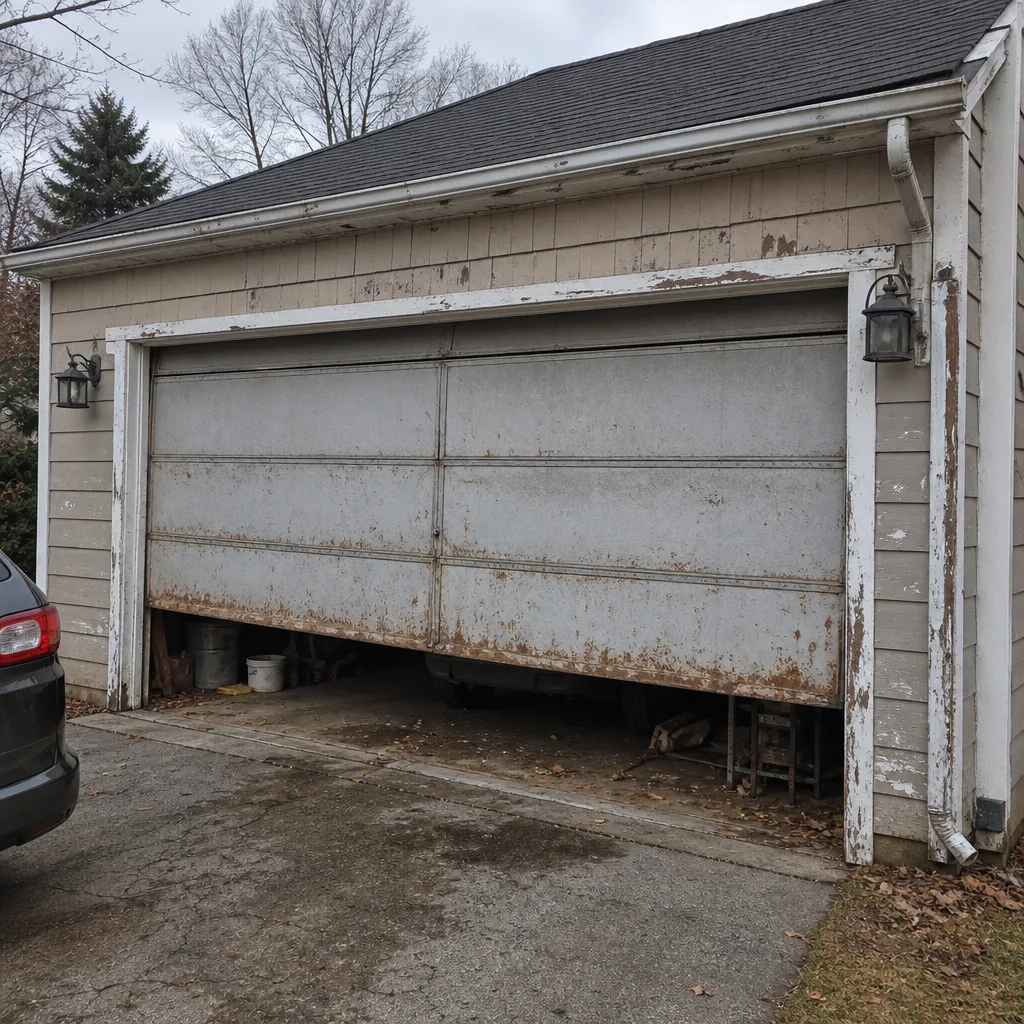 Before
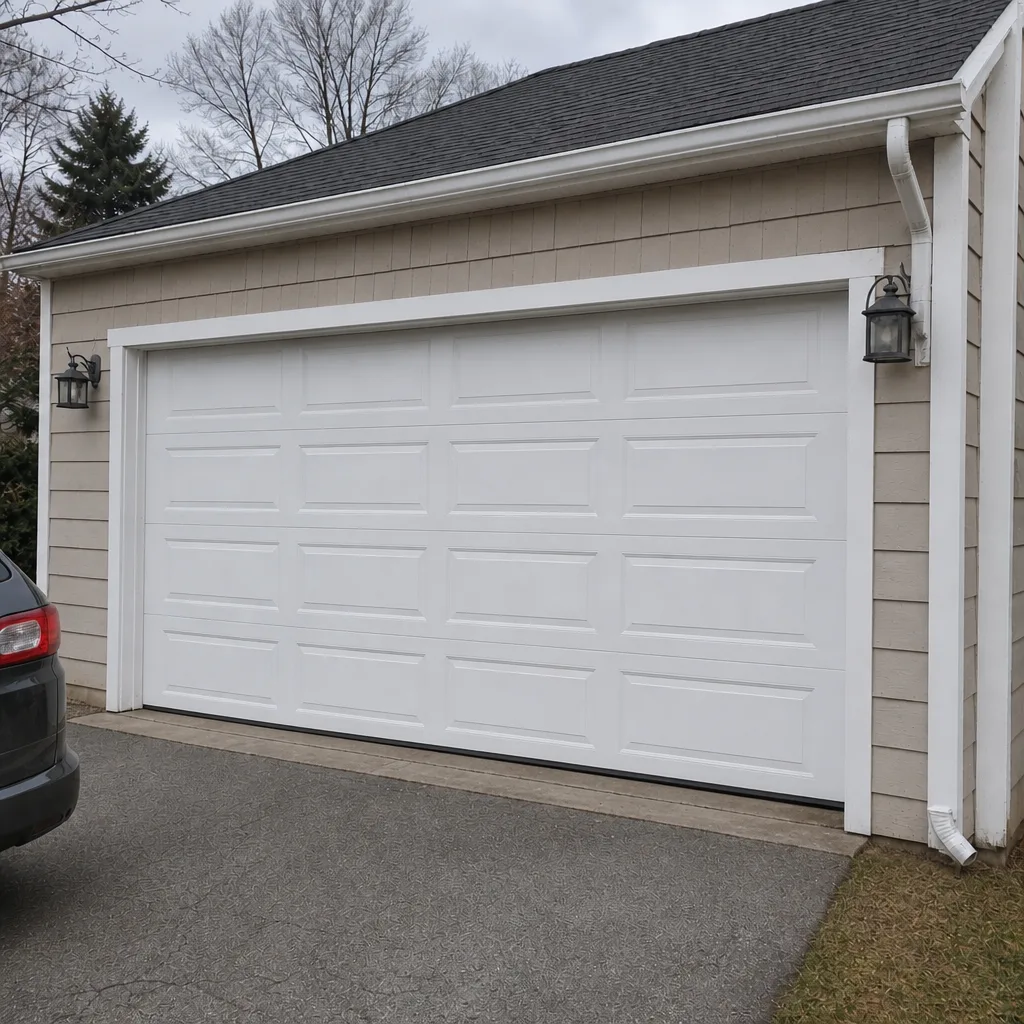 After
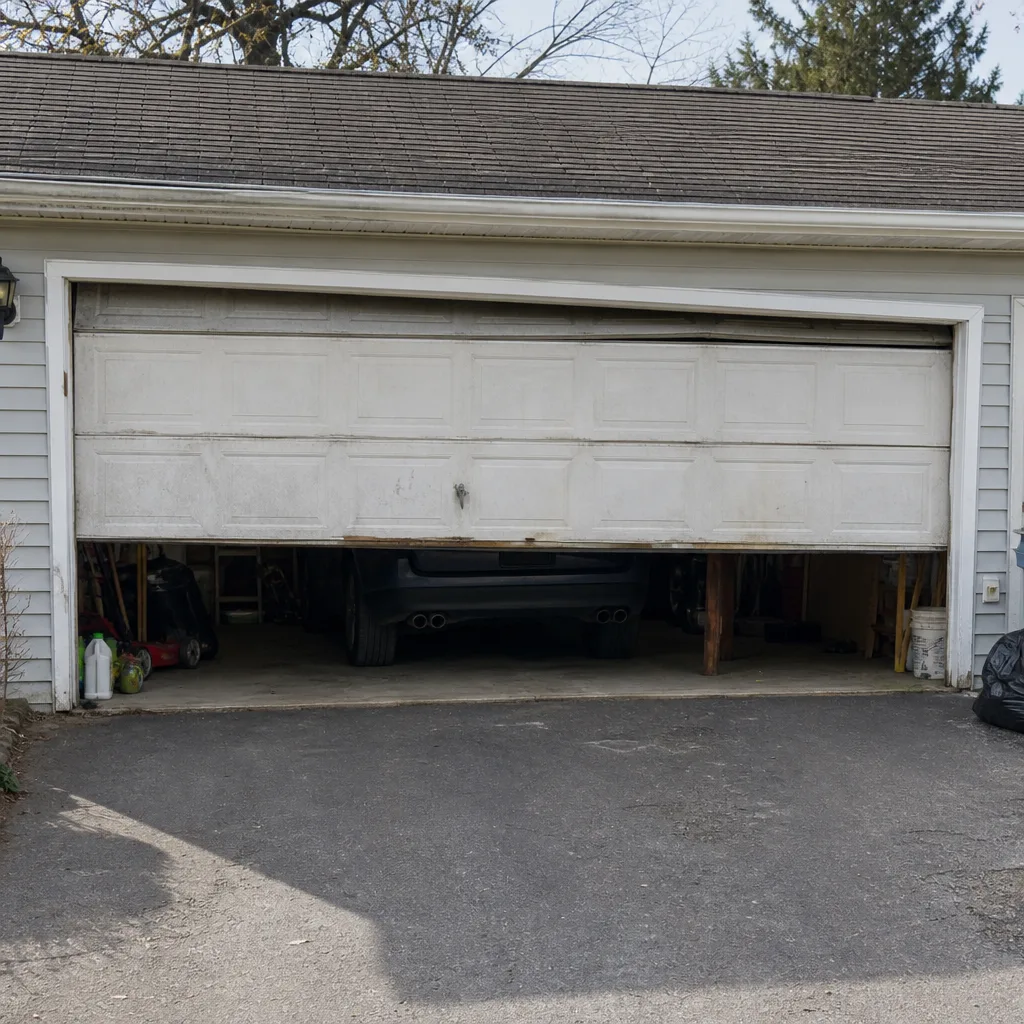 Before
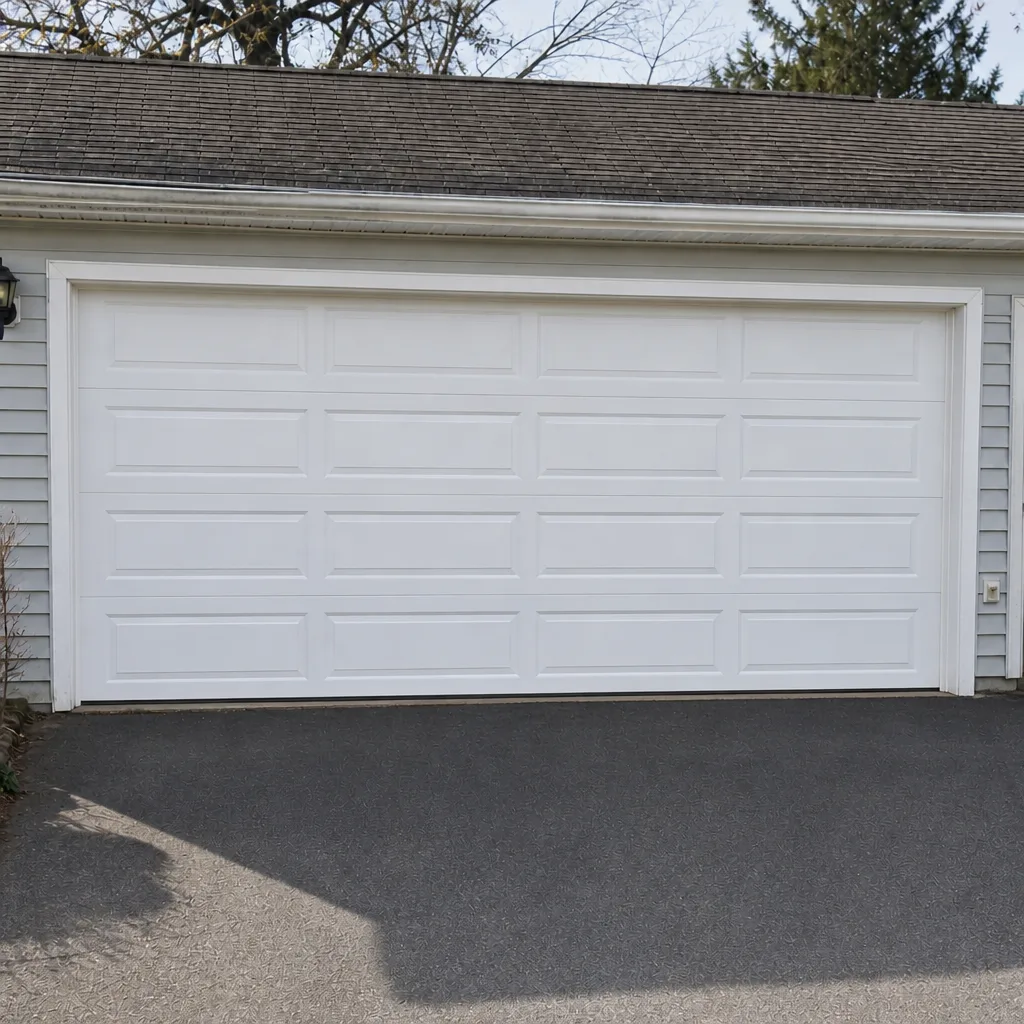 After
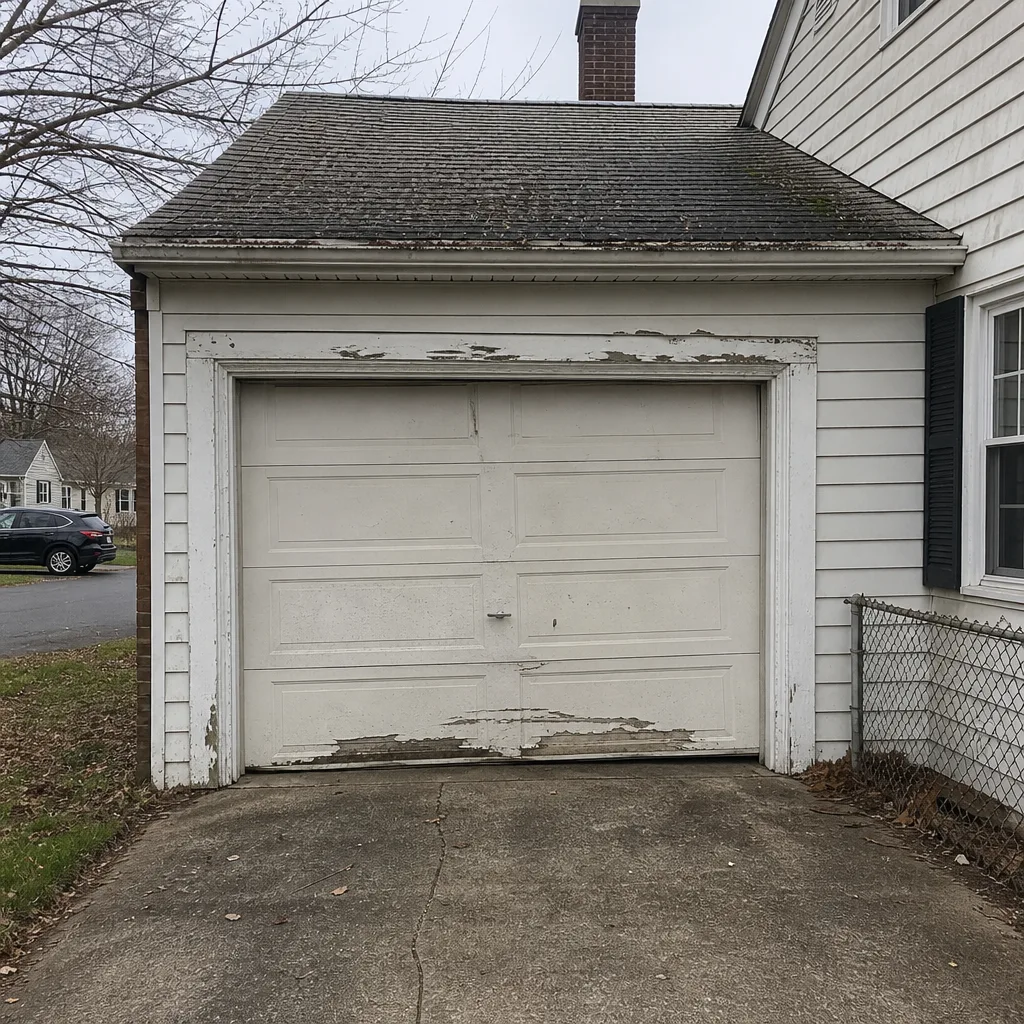 Before
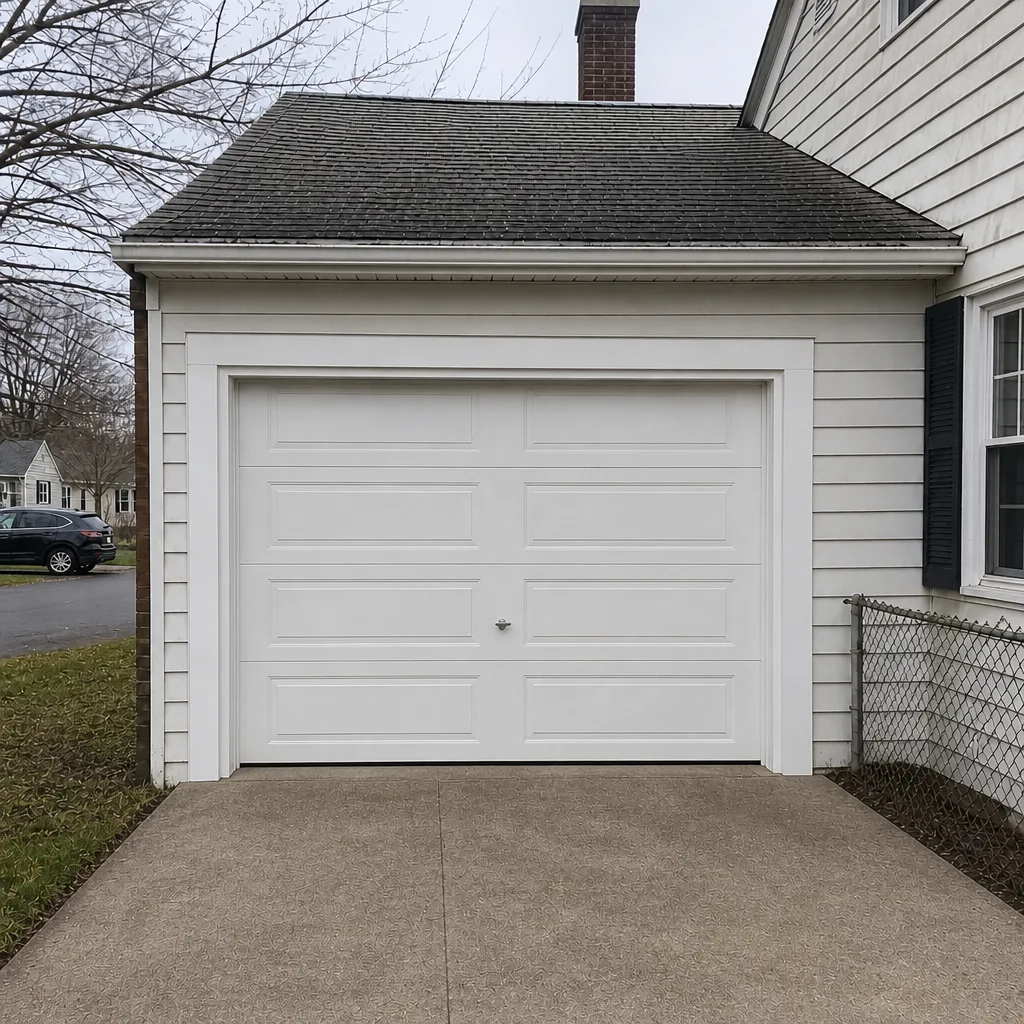 After